
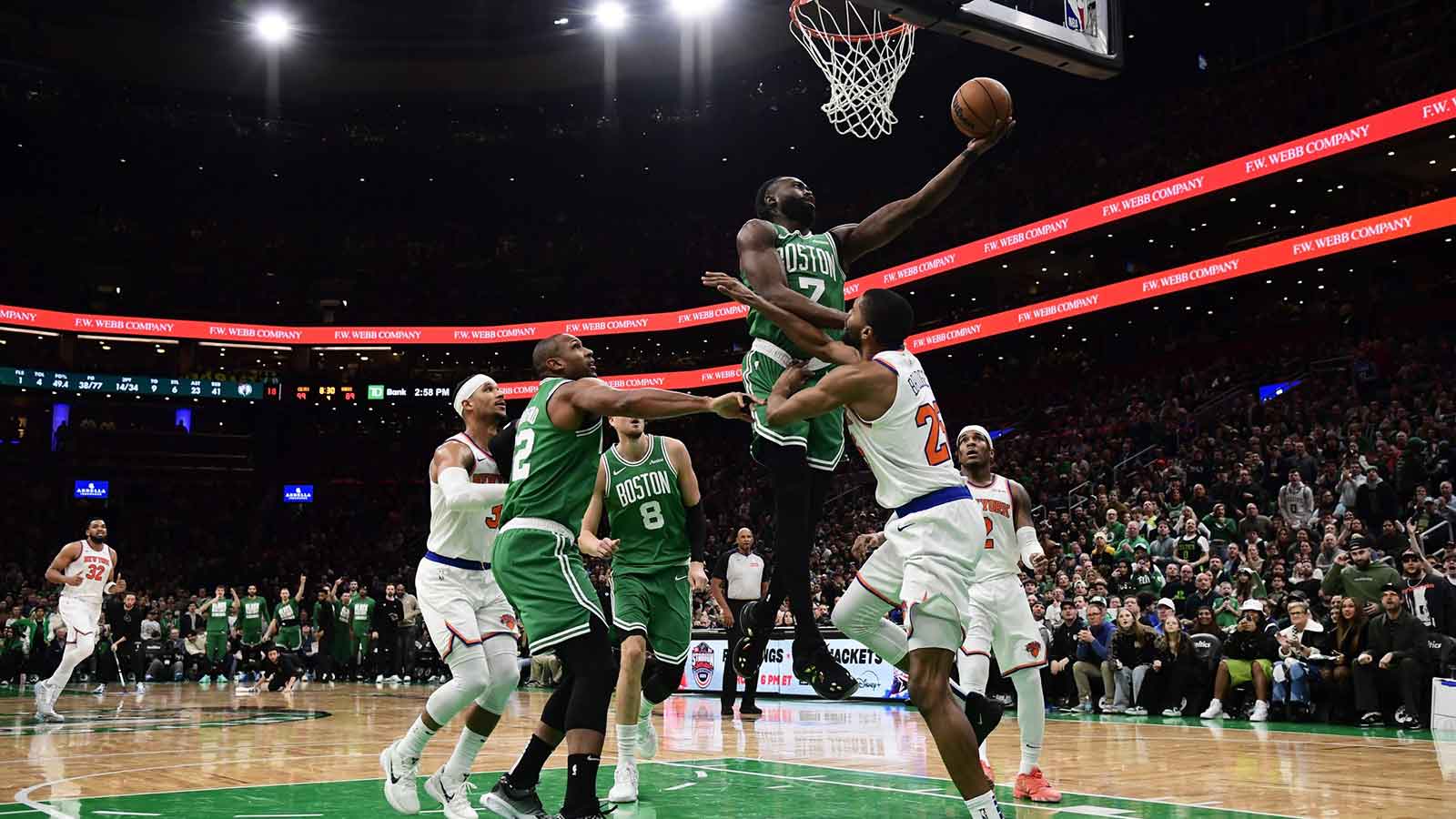
- Basketball’s endgame fouling strategy disrupts the flow and excitement of close games.
- The ‘foul up 3’ tactic is seen as smart but detrimental to the sport’s entertainment value.
- Rule changes, such as harsher penalties for late-game fouls, are being proposed to address the issue.
- The problem has persisted for decades, with fans and analysts increasingly vocal about the need for reform.
- Potential solutions include adopting a continuation rule similar to soccer or revising timeout usage.
The Problem with Basketball’s Endgame Strategy
Basketball, a sport celebrated for its fast-paced action and thrilling finishes, is facing a growing critique: its endgame strategy. Specifically, the practice of fouling when trailing in the final minutes has become a contentious issue. While tactically sound, this approach often turns the climax of a game into a drawn-out free throw contest, stripping away the excitement that defines basketball.
The ‘Foul Up 3’ Tactic: Smart but Detrimental
One of the most debated strategies is the ‘foul up 3’ tactic, where a team intentionally fouls an opponent who is leading by three points to prevent a potential game-tying three-pointer. While this is an objectively smart move, it has been criticized for making the final moments of a game less engaging. As one analyst noted, ‘The last minute of the game is stretched out into 20 minutes of real time, with maybe 5 seconds of action between whistles.’
Historical Context and Fan Frustration
This issue isn’t new. For decades, teams have exploited the rules to gain an advantage in close games. However, as fans and analysts become more vocal, the need for change is increasingly apparent. ‘There’s no world where committing a foul should be beneficial for your team,’ one commentator argued. ‘If that’s the case, there’s something wrong with your sport.’
Potential Solutions to Restore Excitement
Several solutions have been proposed to address this problem. One idea is to implement harsher penalties for late-game fouls, making the tactic less appealing. Another suggestion is to adopt a continuation rule similar to soccer, where play continues if the offensive team maintains possession after a foul. This would force defenders to make legitimate plays rather than relying on fouls to stop the clock.
The Broader Impact on the Sport
The debate over endgame strategy is part of a larger conversation about the evolution of basketball. As the sport continues to grow, maintaining its integrity and entertainment value is crucial. Rule changes, while potentially controversial, could help ensure that basketball remains a thrilling spectacle for fans worldwide.