
Quick Read
- BC Ferries has announced Indigenous names for new vessels serving Quadra and Gabriola routes, chosen in partnership with local First Nations.
- North Island residents are frustrated by temporary vehicle capacity reductions on the Port McNeill–Alert Bay route, lasting until March 2026.
- Community members report disruptions to daily life, including missed work and medical appointments due to smaller replacement ferries.
- BC Ferries says fleet limitations during mandatory refit are to blame, but promises this is the last year of such disruptions for the route.
- The company has released educational materials to promote understanding and correct pronunciation of Indigenous vessel names.
BC Ferries Unveils Indigenous Names for New Vessels in Quadra and Gabriola
In a landmark move, BC Ferries announced the Indigenous names of four new vessels set to serve Quadra and Gabriola Island routes. The naming, which draws deeply from local First Nations languages and traditions, marks a step toward reconciliation and cultural recognition on British Columbia’s coastal waters.
On November 25, 2025, the company revealed that two new diesel-electric ferries joining the Campbell River–Quadra Island route will carry names gifted by the We Wai Kai and Wei Wai Kum Nations, articulated in the Kwak’wala language. The first vessel, Island Gwa’yam (pronounced Gwuh-yum), means “whale”—a symbol of family, strength, and recent return to these waters. The second, Island K’asa (KAH-sah), means “otter,” an important guardian spirit in local tradition.
We Wai Kai chief councillor Ronnie Chickite described the honor: “Naming this vessel ‘Gwa’yam’ is a deep honour for our people. It reflects our connection to the sea, and the importance of preserving our language and traditions.” Wei Wai Kum chief councillor Christopher Roberts echoed this sentiment, saying that the collaboration with BC Ferries “reflects a commitment to reconciliation.”
On the Gabriola route, two hybrid electric vessels will soon be named Island Xwsaluxul (Xwus-wol-ox-wutl, meaning “grassy place”) and Island Sarlequun (Sar-le-kwun), referencing the revered first peoples of Snuneymuxw and the 1854 Sarlequun Treaty signed at Xwsaluxul. These names were chosen to honor the deep history and enduring presence of the Snuneymuxw First Nation within their territory. Snuneymuxw Chief Mike Wyse emphasized, “The names we are gifting hold immense strength and offer a sense of belonging to all who board and sail these new vessels.”
BC Ferries president and CEO Nicolas Jimenez expressed gratitude for the partnership: “We appreciate this opportunity to honour and amplify (the Nations’) language and culture on our vessels in such a meaningful way.” To help the public embrace these names, BC Ferries has released educational videos for proper pronunciation and cultural understanding.
Service Downgrades Spark North Island Frustration
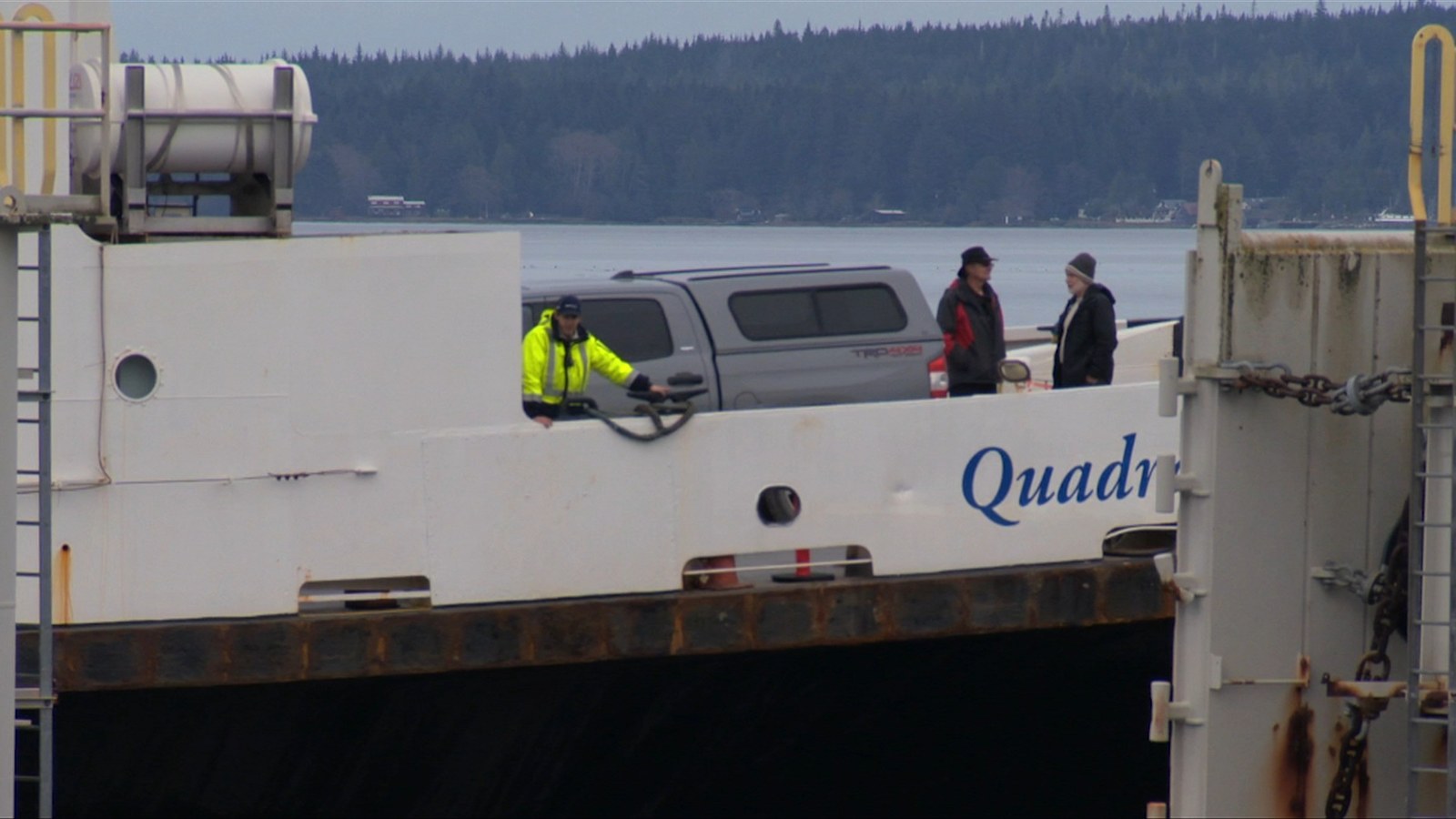
While new names and vessels signal progress, not all BC Ferries news has been so well received. Since October 14, 2025, North Island residents have faced significant challenges after the company downgraded vehicle capacity on the Port McNeill–Alert Bay route. The usual 47-vehicle Island Aurora was reassigned, leaving the aging Quadra Queen II—with room for just 26 cars—to temporarily fill the gap.
The result has been mounting frustration for daily commuters, health-care providers, and residents who rely on the ferry for essential services. ‘Na̱mg̱is First Nation councillor Ernest Alfred described the disruption: “It’s not just health-care providers, but people going to work every day on the commuter runs. We’re talking people that have medical appointments like the elderly.”
Local MP Aaron Gunn weighed in, calling the issue “the biggest” facing island and Alert Bay residents, as many have been stranded or missed critical appointments due to the reduced ferry capacity. Emily Garriot, a youth worker who commutes daily from Port McNeill to Alert Bay, shared her frustration: “This is the sixth time this has happened. I am so exasperated… I need my vehicle for work.” Her experience reflects a wider sentiment—lineups have grown, and some have resorted to walking on board, unable to bring their cars.
Gaby Wickstrom, also of the ‘Na̱mg̱is First Nation, wrote an open letter to BC Ferries highlighting the community’s need for change. She explained, “I felt it was time to nudge BC Ferries just a little bit to let them know that things were not working well for us on the North Island.”
BC Ferries Responds: Refits, Fleet Limitations, and Community Engagement
BC Ferries acknowledged the strain, explaining that the Island Aurora is the only vessel capable of operating on other Island Class routes currently undergoing mandatory refit. The company admits that the fall and winter refit period stretches the fleet thin, making year-round coverage impossible. However, BC Ferries has assured communities that this will be the last year the Alert Bay route faces such a disruption, with improvements expected by spring 2026.
Yet, the manner of communication and engagement has drawn criticism. Eric McNeely, president of the BC Ferries Marine Workers Union, argued that North Island communities deserve better consultation and immediate solutions. He pointed to the dissolution of advisory committees, which once facilitated dialogue between residents and the ferry operator, as a factor in the negative reaction.
“Members of the community have been reaching out to BC Ferries saying, ‘Hey, we want to talk, these are the concerns we have,’ and with the dissolving of the advisory committees that kind of feedback loop communities once had to engage with BC Ferries as the operator is now reduced,” McNeely told CHEK News.
Looking Forward: Balancing Heritage, Service, and Community Needs
As BC Ferries embarks on a new chapter, the simultaneous embrace of Indigenous heritage and the operational challenges of a stretched fleet create a complex landscape. The company’s efforts to honor First Nations languages and traditions in vessel naming have been widely praised, representing a meaningful stride towards reconciliation and inclusion. Educational initiatives and public collaboration signal genuine intent to deepen cultural understanding.
At the same time, the disruptions on North Island routes highlight the essential role BC Ferries plays in connecting remote communities—not just for convenience, but for access to work, healthcare, and daily life. The frustration voiced by residents, officials, and union leaders underscores the stakes involved and the need for responsive, transparent engagement from the ferry operator.
BC Ferries stands at a crossroads: its fleet changes and cultural initiatives reflect a company in transition, striving to honor the past while confronting the practical realities of service delivery. True reconciliation will require not only symbolic gestures but sustained investment in reliable infrastructure and genuine partnership with the communities that depend on these lifelines every day.