
Quick Read
- Danhao Wang, a semiconductor researcher, died on March 20 shortly after being questioned by federal authorities.
- Beijing has demanded a full investigation, citing concerns over the treatment of Chinese scholars by U.S. law enforcement.
- The incident has prompted the University of Michigan’s postdoctoral union to advise researchers against speaking with federal agents without legal counsel.
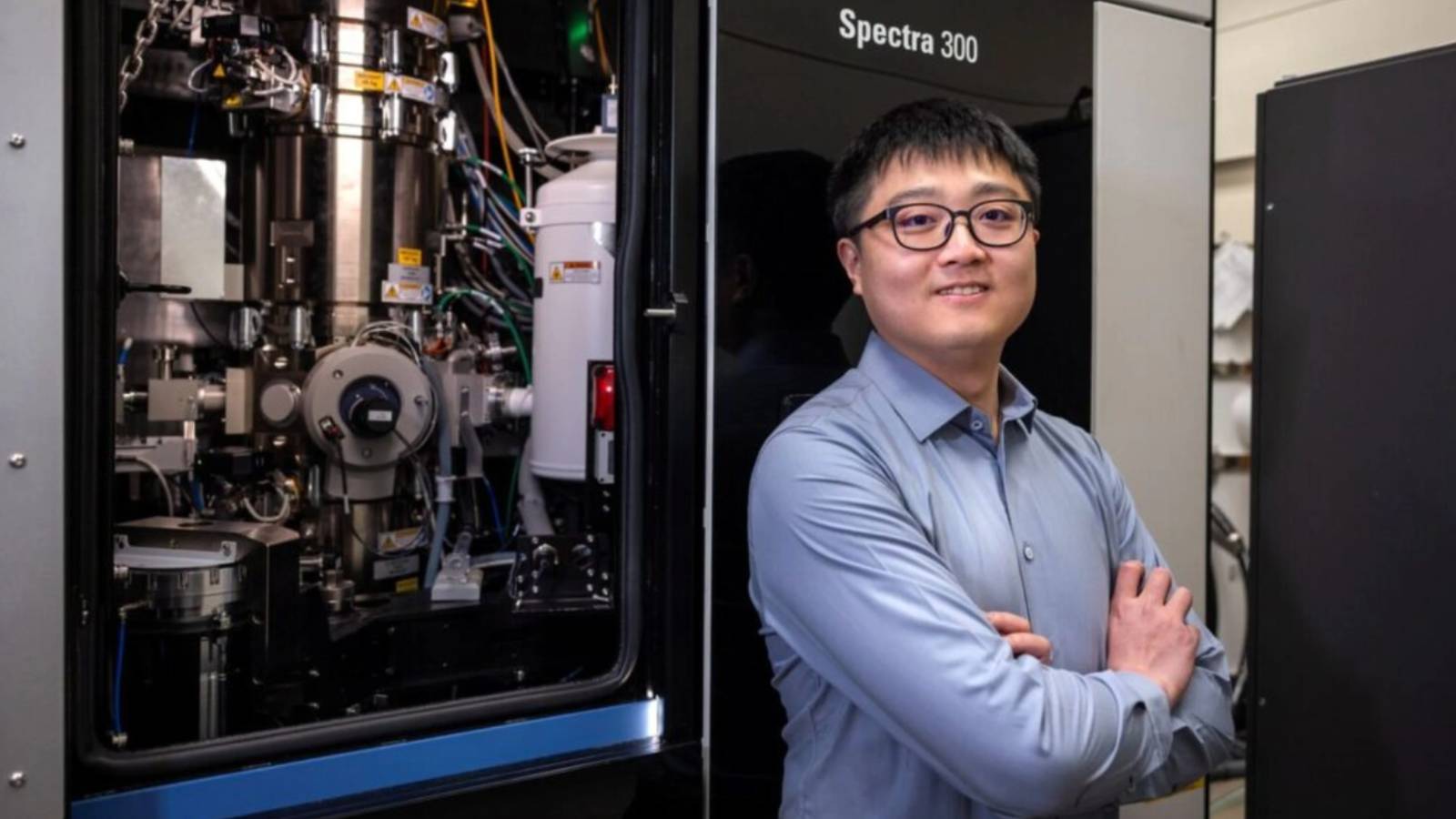
ANN ARBOR (Azat TV) – The death of Danhao Wang, an assistant research scientist at the University of Michigan, has escalated into a significant diplomatic dispute between Washington and Beijing. Chinese officials are formally demanding a comprehensive investigation into the circumstances surrounding the 30-year-old researcher’s death, which occurred on March 20 following an interaction with federal law enforcement.
Diplomatic Tensions Over Researcher Safety
The Chinese Ministry of Foreign Affairs expressed profound distress regarding the incident, characterizing the event as a consequence of what it termed “hostile questioning” by U.S. authorities. While the University of Michigan Department of Police and Public Safety is currently investigating the death as a potential act of self-harm, Beijing has explicitly linked the tragedy to a broader pattern of what it describes as the overstretching of national security concepts to target Chinese scholars. Chinese embassy spokesperson Liu Pengyu stated that the U.S. government must provide a responsible explanation to the family and cease discriminatory law enforcement practices that create a chilling effect on academic exchange.
Federal Scrutiny and Campus Climate
The incident has intensified anxiety among the international research community at the University of Michigan, where approximately 60% of postdoctoral researchers are foreign nationals. The University of Michigan Postdoctoral Researchers’ Organization (UM-PRO) issued a formal advisory following the death, urging international scholars to exercise their legal rights and refrain from speaking with federal investigators without legal counsel present. This development occurs amid heightened federal oversight of foreign funding and research security, with the university facing ongoing scrutiny from Congress regarding potential espionage and intellectual property theft.
Precedent and Institutional Stakes
The death of Dr. Wang, a specialist in semiconductor materials whose work was published in Nature, draws immediate comparisons to the 2024 death of neuroscientist Jane Wu at Northwestern University. In that case, the researcher’s family initiated legal action against her institution, alleging that she was subjected to mistreatment during a multi-year federal probe into her international ties. For the University of Michigan, the current situation presents a complex challenge as it attempts to balance cooperation with national security mandates and the protection of its diverse academic talent pool. University leadership, including Interim President Domenico Grasso, has emphasized a commitment to strengthening internal oversight while maintaining the university’s role as a hub for global intellectual contribution.
The heightened diplomatic friction surrounding Dr. Wang’s death signals a critical inflection point in U.S.-China academic relations, where the intersection of national security policy and the protection of international scholars is increasingly characterized by mutual suspicion and institutional vulnerability.