
Quick Read
- Treasury Secretary Scott Bessent justified the administration’s ‘escalate to de-escalate’ policy as necessary to protect global energy stability.
- The U.S. is considering potential troop deployments to secure Kharg Island, a critical Iranian oil facility, amid ongoing regional military tensions.
- The Treasury Department has eased sanctions to release 140 million barrels of stranded Iranian oil, aiming to offset global price surges despite political pushback.
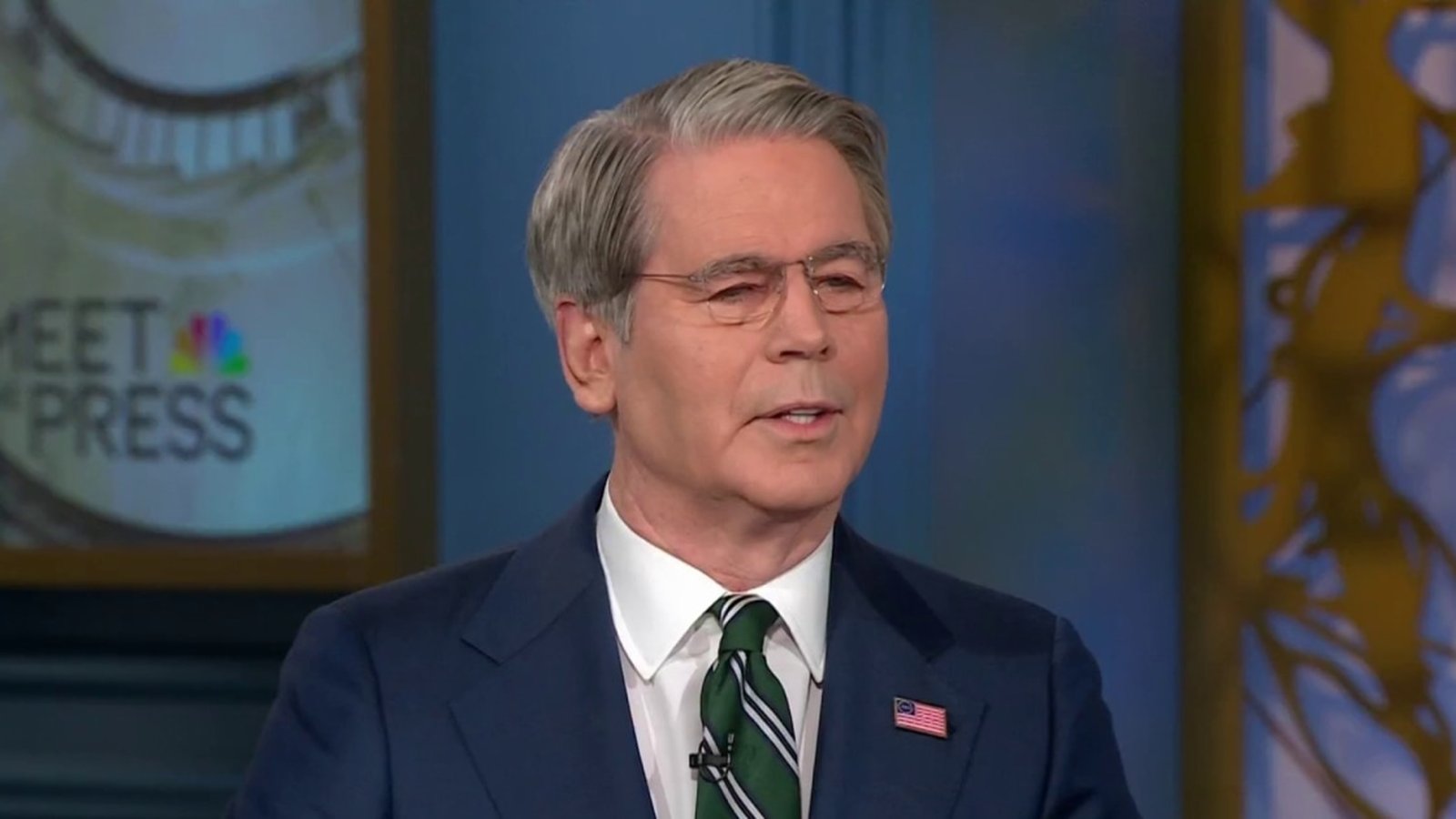
WASHINGTON (Azat TV) – Treasury Secretary Scott Bessent defended the administration’s aggressive stance toward Iran on Sunday, asserting that the United States must “escalate to de-escalate” to secure critical energy infrastructure. The remarks, delivered during an interview on NBC’s Meet the Press, come as the White House balances ongoing military strikes with a strategic decision to ease sanctions on Iranian oil currently stranded at sea.
The Dual-Track Strategy on Iranian Energy
The administration is currently pursuing a high-stakes approach to the conflict in the Middle East, which has seen the closure of the Strait of Hormuz and a subsequent surge in global oil prices. According to Bessent, the policy involves maintaining intense military pressure on Iranian infrastructure while simultaneously utilizing economic levers to mitigate supply shocks. The Treasury Department announced Saturday that it would permit the sale of approximately 140 million barrels of Iranian oil, a move Bessent characterized as “jujitsuing the Iranians” by redirecting their resources to benefit U.S. allies in Asia.
Military Stakes at Kharg Island
Central to the administration’s maneuvering is the status of Kharg Island, a primary hub for Iranian oil production. Following recent military operations, Bessent confirmed that the administration is weighing all options regarding the facility, including the potential deployment of U.S. troops to secure the site. While the Secretary did not provide specific details on what a permanent U.S. presence on the island would entail, he emphasized that the administration remains focused on reopening maritime passageways to restore global energy stability.
Political Criticism and Economic Risks
The administration’s strategy has faced immediate backlash from lawmakers who argue that the policy lacks coherence. Senator Chris Murphy, D-Conn., criticized the “escalate to de-escalate” rhetoric, comparing the current trajectory of the conflict to historical instances of military overreach. Critics argue that easing sanctions—even to release stranded oil—risks undermining the broader war effort and providing Iran with financial relief during a period of active hostilities. Despite the criticism, Bessent maintains that the decision to release the oil was a pre-planned contingency intended to shield American consumers from the economic fallout of the regional war.
The administration’s pivot toward securing Iranian energy assets, coupled with the tactical release of oil reserves, signals a transition from purely punitive strikes to an active management of regional energy flow, creating a volatile intersection between national security objectives and global market stabilization.