
Quick Read
- Beyond Meat stock surged nearly 1,300% in four days, from 52 cents to over $7 per share.
- The rally was driven by meme stock traders, with social media hype and a Dubai-based trader buying millions of shares.
- A major Walmart partnership was announced, expanding Beyond Meat’s products to over 2,000 stores.
- Despite the surge, Beyond Meat is still far below its 2019 high and continues to report net losses.
- Analysts warn of volatility and the risk of a pump and dump scheme.
Beyond Meat’s Wild Ride: Meme Mania Sends Shares Up 1,300%
For anyone watching the stock market in October 2025, Beyond Meat’s recent surge is hard to ignore. In just four days, shares of the plant-based meat company have skyrocketed by almost 1,300%. It’s a story with all the hallmarks of a modern meme stock rally: a struggling company, a passionate online community, and a sudden, breathtaking jump in price. But behind the headlines, there’s a complex web of investor optimism, social media influence, and big retail news fueling the madness.
From 52 Cents to $7: The Anatomy of an Unlikely Comeback
Last Thursday, Beyond Meat’s stock closed at a mere 52 cents. The company, once a darling of Wall Street with a debut price above $230 per share in 2019, had become a cautionary tale as its value steadily declined over the years. Its products—plant-based burgers and sausages—found fans, but sales and earnings lagged behind expectations. Most analysts labeled the stock a sell, with six out of eight recommending investors stay away.
And then, suddenly, everything changed. By Wednesday morning, Beyond Meat shares had soared to $6.24, briefly hitting $7.33 in pre-market trading. That represented a jaw-dropping 1,300% increase in less than a week. The surge was so dramatic that $5.9 billion worth of shares traded hands in a single day—four times the company’s total market capitalization.
This wasn’t just a blip. It was a movement, echoing the infamous GameStop and AMC rallies of years past. Nearly 64% of Beyond Meat’s available shares had been sold short by the end of September, setting the stage for a classic short squeeze, where rising prices force short sellers to buy back shares at a loss, further fueling the price jump.
Social Media’s Role: Dubai Trader and Reddit Hype
The catalyst? A Dubai-based trader, Dimitri Semenikhin—known as Capybara Stocks online—began posting enthusiastically about Beyond Meat on Reddit and YouTube. He claimed the company was undervalued and revealed that he had purchased millions of shares. His posts quickly caught fire in retail investor circles, particularly on Reddit’s r/wallstreetbets, where users thrive on upending Wall Street’s expectations.
One post summed up the mood: “You know the economy is cooked when BYND stock is making a comeback.” The meme stock crowd, always searching for the next underdog, piled in. Their enthusiasm was contagious, and Beyond Meat’s rally became the talk of trading forums.
The online fervor didn’t just boost Beyond Meat. Krispy Kreme, another company with a cult following among retail traders, saw its stock jump 20% on the same day.
The Walmart Effect: Real News or Just Fuel?
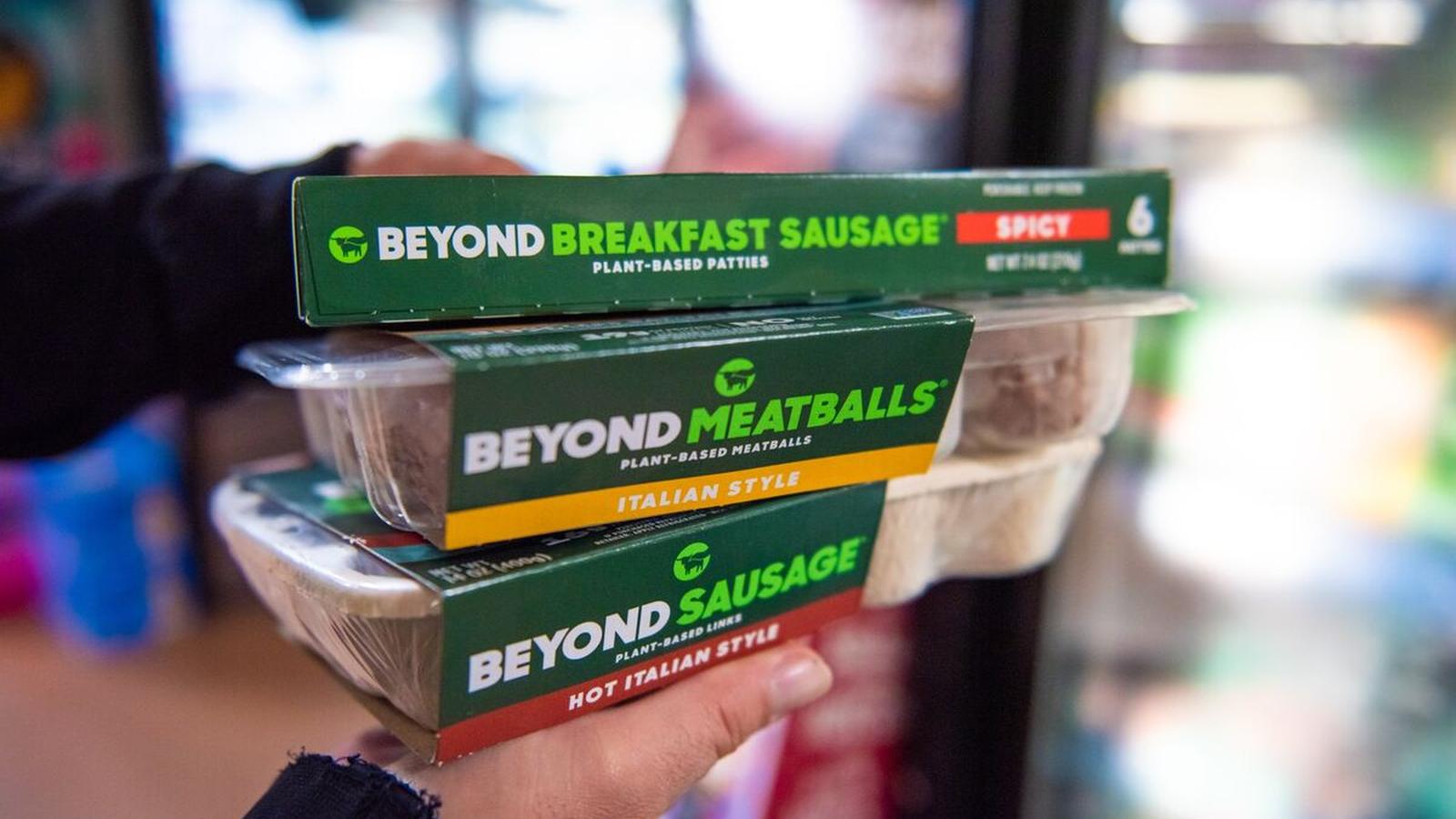
Amid the meme-driven excitement, Beyond Meat delivered legitimate business news. The company announced an expanded partnership with Walmart, America’s largest retailer. Its plant-based products will soon be available in over 2,000 Walmart stores nationwide—a significant boost in distribution for a brand seeking mainstream acceptance.
This deal was seen by some as a lifeline, suggesting Beyond Meat could finally break into the mass market. Others, though, cautioned that such partnerships don’t always translate into sustained financial success. The company continues to report net losses and faces stiff competition from both traditional meat producers and other plant-based brands.
Nevertheless, the Walmart news provided a tangible reason for optimism, giving retail investors one more reason to believe in a turnaround.
Volatility and Risk: Lessons from Meme Stock History
While the excitement is palpable, the risks are equally real. Meme stock rallies are notoriously volatile, often driven more by emotion than fundamentals. The sudden influx of retail money can send prices soaring, but history shows that these surges rarely last. GameStop and AMC both experienced dramatic rises and falls, leaving latecomers with heavy losses.
Some analysts warn that Beyond Meat’s rally could be a classic “pump and dump”—where prices are artificially inflated by hype, only to crash once the excitement fades. Even Reddit’s r/wallstreetbets users, known for their bravado, acknowledged the risk in their posts.
Beyond Meat remains far below its all-time high, and even after the recent jump, it’s down 8% over the past year. The company’s fundamentals haven’t changed overnight; it still faces challenges with profitability and growth.
What’s Next for Beyond Meat?
So, where does Beyond Meat go from here? The Walmart partnership could help boost sales, and the meme stock momentum might attract more investors in the short term. But for lasting success, the company will need to deliver on its promise: convincing consumers to choose plant-based meat, winning over major retailers, and proving it can turn a profit.
The next few weeks will be crucial. Will Beyond Meat’s rally inspire a broader shift in investor sentiment, or will it fade as quickly as it arrived? For now, traders are watching closely, hoping to ride the wave without getting caught in the undertow.
As the dust settles, one thing is clear: In today’s market, a single tweet, a viral video, or a retail partnership can transform the fortunes of even the most beleaguered companies—at least for a moment.
Despite the spectacular surge in Beyond Meat’s share price, the underlying challenges facing the company remain unresolved. The meme-driven rally highlights the power of retail investors and social media, but it also exposes the fragility of hype-driven markets. Only time will tell whether Beyond Meat can convert this momentum into real, sustainable growth—or if it will become another cautionary tale of the meme stock era.