
Quick Read
- Bianca Censori’s debut performance art show, BIO POP, took place in Seoul, South Korea and sparked intense debate.
- Her unconventional Interview Magazine appearance featured a masked spokesperson, emphasizing themes of identity and reclaiming her image.
- Censori rejects comparisons to Kim Kardashian, insisting she wants to look like herself.
- She views social media backlash as revealing, but not emotionally significant.
- Her new jewelry line draws inspiration from medical instruments, expanding her artistic exploration.
Bianca Censori’s New Chapter: Art, Identity, and Public Perception
Bianca Censori is no stranger to the spotlight. Since her relationship with Kanye West made headlines in late 2022, she’s been the subject of fascination, controversy, and relentless comparison—most notably to West’s former wife, Kim Kardashian. But in December 2025, Censori shifted the narrative, stepping forward through a bold art exhibition in Seoul and an interview with Interview Magazine that was anything but conventional.
Performance Art in Seoul: A Statement Beyond Fashion
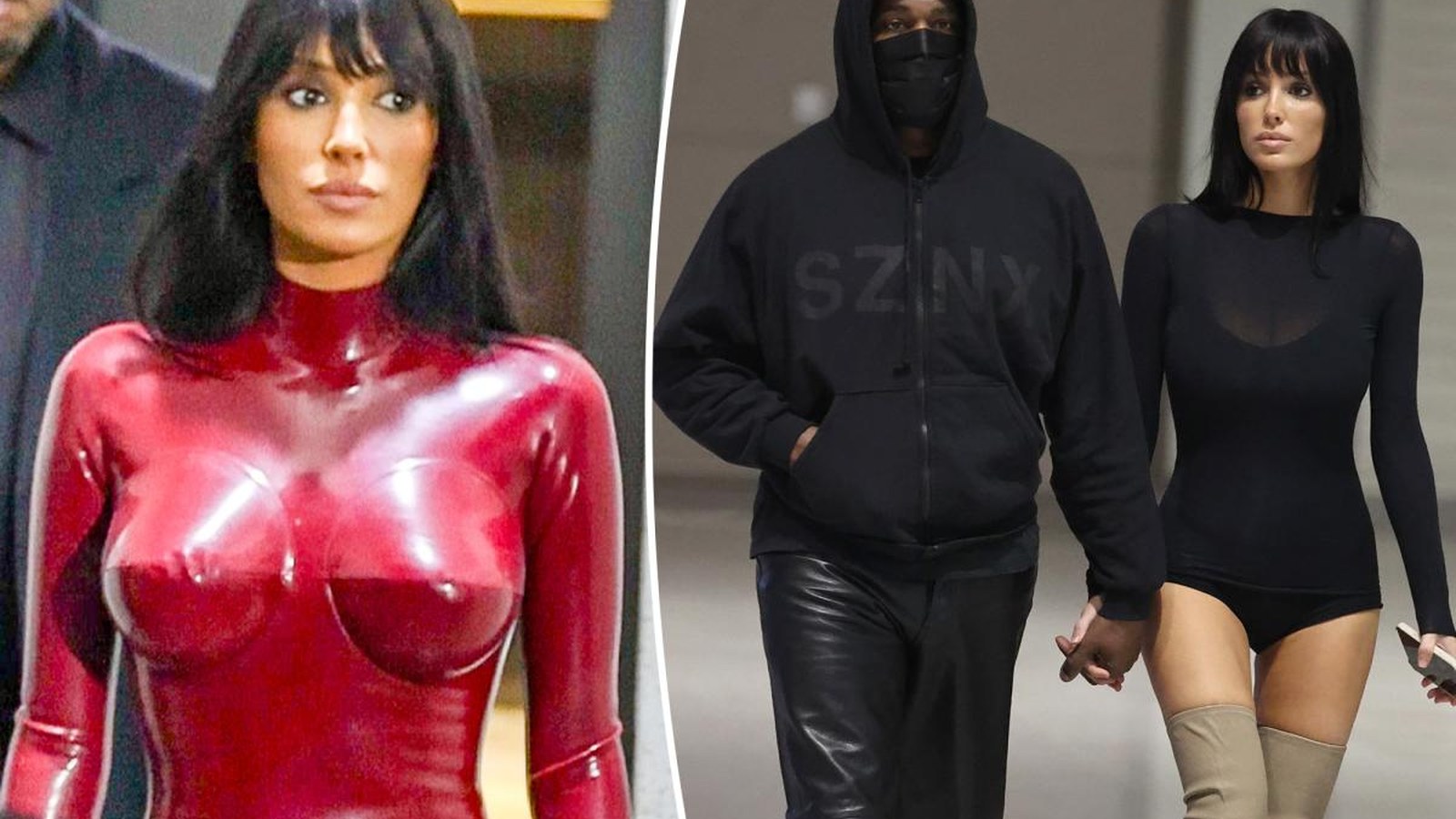
Censori’s debut performance art exhibit, BIO POP, held in South Korea, was a spectacle of provocation and self-reflection. Dressed in a striking red latex catsuit, she was accompanied by masked contortionist clones—furniture and domestic life reimagined through provocative poses and sheer clothing. The installation sparked heated debate online, with some praising her for challenging norms and others accusing her of objectifying herself and women.
According to Hungama Express, the exhibition’s Instagram post quickly amassed over 15,000 likes, but also drew a wave of criticism. One user lamented, “She allows herself to be seen as just an object… just a toy and now just an object of torture.” Others described her account as “the most disturbing IG account out there.” The exhibition’s theme—reclaiming the female form from cultural overlays of sexuality—was at the heart of both the controversy and the conversation.
Unconventional Interview: Silence, Masks, and Multiplicity
Censori’s interview with Interview Magazine blurred the lines between performance and confession. Instead of answering questions directly, she remained silent and composed while a woman, masked in her likeness, spoke for her. This choice, explained by her representative, was an act of “repossession”—reclaiming unauthorized clones and multiplying her image until “the original becomes myth.”
As reported by Page Six and Reality Tea, Censori’s approach is deeply rooted in the idea of constructing identity amid public projection. “People project, people invent, people erase. So she sculpts the versions they create, the phantom selves,” her spokesperson explained. Far from feeling “trapped,” Censori’s performance was described as a formalization of her art, rather than a confession. She insisted, through her double, that her work was not about humiliation or submission, but rather about exploring cultural perceptions and reclaiming agency.
Backlash and Self-Expression: Navigating the Storm
If there’s one thing Censori’s recent moves have made clear, it’s her resilience to backlash. Despite her limited presence on social media, she’s acutely aware of the criticism her stunts and outfits—such as her nearly-nude appearance at the 2025 Grammys—have generated. Yet, as her masked assistant revealed, “Backlash isn’t a goal, but it is revealing. It shows where cultural sensitivities sit and what people are unable or unwilling to name directly.”
Censori’s stance is not one of defiance or provocation for its own sake. Rather, she views praise and backlash as “two sides of the same perceptual mechanism”—both useful for understanding societal boundaries. Her ultimate aim, according to the interview, is self-expression, not validation.
Refusing the Kim Kardashian Comparison
Censori’s relationship with Kanye West inevitably invites comparisons to Kim Kardashian, especially given the timing—she and West married just under a month after his divorce from Kardashian was finalized. The parallels drawn by fans and critics alike, from hair and body to fashion choices, have followed her every move.
But Censori is clear: she’s not seeking to emulate Kardashian. When asked directly who she wants to look like, her answer is succinct—“Myself.” This declaration not only sets a boundary but reclaims her individuality in a media landscape obsessed with likeness and rivalry.
Beyond the Headlines: Art, Agency, and the Power of Myth
Censori’s art and public persona are not easily separated. Her performance in Seoul, her masked interviews, and her refusal to engage in the social media circus all point to a deliberate strategy: to multiply, mythologize, and ultimately reclaim her image from the hands of public opinion. Whether seen as an act of empowerment or provocation, her work forces audiences to confront their own biases about femininity, agency, and self-expression.
Outside the world of art, Censori is also making waves in fashion and jewelry design. Her new line, inspired by surgical instruments such as speculums and scalpels, further blurs the boundaries between body, object, and adornment—another layer to her ongoing exploration of identity and form (Page Six).
Public Reaction: A Mirror to Cultural Sensitivity
The response to Censori’s work is a reflection of the complex social dynamics at play. Some see her as a trailblazer, using her platform to challenge norms and reclaim agency. Others perceive her actions as reinforcing objectification or courting controversy for attention. The polarized feedback—especially online—highlights the tension between personal expression and collective values.
Yet, Censori’s own perspective remains centered on the art itself. She does not seek praise or backlash, but she is interested in what these reactions reveal about society. Her performances and interviews, unconventional as they may be, invite audiences to look deeper, to question assumptions, and to reconsider the narratives imposed on women in the public eye.
Bianca Censori’s latest artistic chapter is as much about reclaiming the female image as it is about challenging the culture that shapes it. Her refusal to be defined by comparison or controversy is a powerful statement in an era obsessed with likeness and judgment. By turning her silence and multiplicity into art, she invites us to consider: whose version of ourselves do we really perform—and who gets to decide what is myth and what is real?