
Quick Read
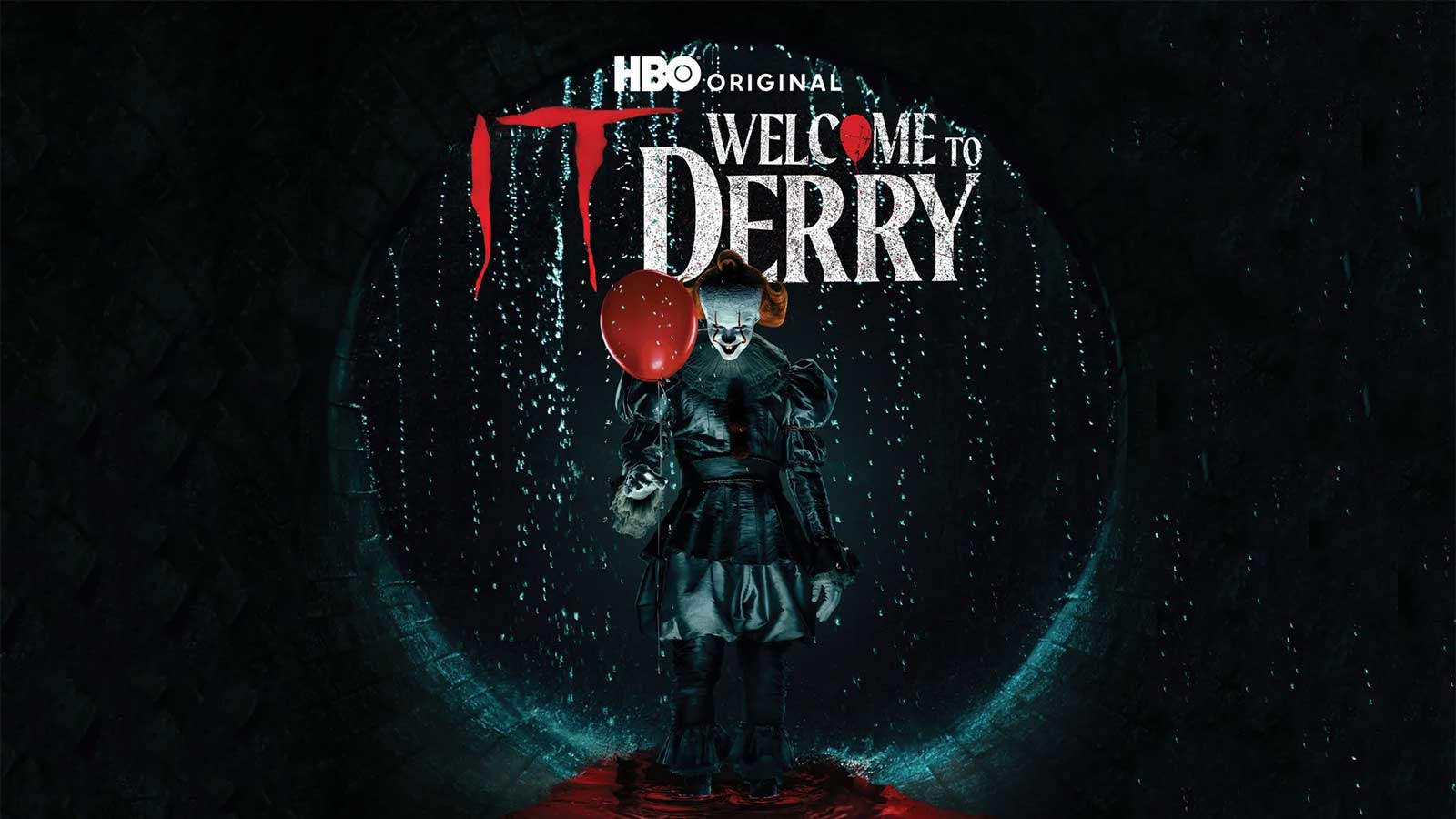
- Bill Skarsgård reprises his role as Pennywise in HBO’s ‘It: Welcome to Derry’, set in the 1960s.
- The series explores the origins of Derry’s curse, blending supernatural horror with real historical trauma.
- Skarsgård also stars in the action film ‘Boy Kills World’, praised for his physical, wordless performance.
- ‘Welcome to Derry’ connects to the wider Stephen King multiverse, featuring characters and locations from other King works.
- Episodes air weekly from October 26 to December 14, 2025 on HBO and HBO Max.
Pennywise’s Haunting Legacy: Bill Skarsgård Returns
Bill Skarsgård has become synonymous with the image of the child-snatching, fear-feeding clown Pennywise—a role that redefined cinematic horror in 2017’s ‘It’ and its sequel, ‘It Chapter Two’. Now, HBO’s highly anticipated prequel series ‘It: Welcome to Derry’ brings Skarsgård back to the eerie streets of Derry, Maine, taking audiences to the origins of the town’s curse in the 1960s. Skarsgård’s chilling performance is again at the center, but this time the show dives deeper, peeling back layers of trauma and evil that run through both the supernatural and the everyday.
From the opening moments of ‘Welcome to Derry’, it’s clear that the specter of Pennywise looms large, even before Skarsgård physically appears. The influence of ‘It’—the ancient, shapeshifting entity—seeps into every shadow, every whispered rumor. As the only confirmed returning actor from the films, Skarsgård’s absence in the first episode is almost as palpable as his eventual presence, proof that true terror doesn’t always need a face to be felt.
A Prequel Unveiling the Roots of Derry’s Darkness
Set 27 years before the events of the 2017 film, ‘Welcome to Derry’ isn’t just a nostalgic trip for horror fans—it’s a narrative expansion. The show explores the cosmic origins of ‘It’, tracing its arrival on Earth millions of years ago and its cyclical hunger for fear. Skarsgård’s Pennywise is more than a monster; he’s the personification of a cycle, awakening every generation to feed on trauma, especially that of children whose fears are raw and unfiltered.
But as IGN and CBR highlight, ‘Welcome to Derry’ is not content to stick to supernatural scares. The series roots its horror in history, using real events—like the burning of the Black Spot nightclub and the Kitchener Ironworks explosion—as catalysts for mass terror. These acts of racism and violence become the fertile ground in which Pennywise thrives, suggesting that evil is as much a product of human action as of cosmic design.
Generational Trauma: Where Fiction Mirrors Reality
One of the most compelling themes in ‘Welcome to Derry’ is the interplay between supernatural and generational trauma. Drawing parallels to Netflix’s ‘Dark’, the show frames Derry as a town trapped in its own cycle of denial and complicity. The Hanlon family, newly arrived in Derry, embodies this tension. Leroy Hanlon, played by Jovan Adepo, is a decorated Air Force major who quickly becomes entangled in the town’s sinister history and the military’s attempts to weaponize fear itself—literally seeking to harness Pennywise as a tool of psychological warfare.
The narrative doesn’t shy away from the real-world racism and paranoia of the 1960s, layering the supernatural threat atop a foundation of societal evil. The creators, Jason Fuchs and Brad Caleb Kane, make the town itself a character—sunny streets masking a rotten underbelly of sewers and decaying houses. The contrast is not just visual but thematic: Derry’s true horror lies in what its citizens refuse to see.
Connecting the Stephen King Multiverse: Easter Eggs and Old Friends
‘Welcome to Derry’ is packed with nods to the wider Stephen King universe. Fans will recognize the appearance of Dick Hallorann (Chris Chalk), the psychic chef from ‘The Shining’ and ‘Doctor Sleep’, now serving on the same air force base as Leroy Hanlon. Hallorann’s psychic abilities make him sensitive to the supernatural forces at play, and his connection to Leroy—who, due to a traumatic injury, cannot feel fear—sets up a dynamic where human resilience and psychic power are pitted against cosmic evil.
Other classic King landmarks surface: Juniper Hill Asylum, a recurring site of madness and suffering in King’s works, and the Second Hand Rose thrift shop, a link to ‘IT: Chapter Two’ and the Dark Tower’s symbolic rose. Even the turtle charm on Susie’s bracelet hints at the cosmic balance between good and evil—a benevolent counterweight to Pennywise’s malice.
Bill Skarsgård: A Versatile Actor Beyond Pennywise
While Skarsgård’s portrayal of Pennywise has cemented his reputation as a master of horror, his career stretches beyond the sewers of Derry. In 2023’s ‘Boy Kills World’, now streaming on Prime Video, Skarsgård stars in a radically different role—a deaf, mute avenger in a post-apocalyptic world. Critics from The Guardian, Variety, and RogerEbert.com have praised his wordless, physical performance, likening it to a “lethal Buster Keaton” and commending the film’s audacious, comic-book style violence.
Skarsgård’s ability to inhabit such distinct characters—whether as the psychologically complex Pennywise or the action-driven Boy—demonstrates his range and commitment to challenging roles. It’s a testament to his skill that audiences can fear him as a clown one moment and root for him as a vengeful hero the next.
Atmosphere as Character: Visual Storytelling in ‘Welcome to Derry’
In both ‘Dark’ and ‘Welcome to Derry’, the setting is more than backdrop—it’s a participant in the story. The creators use visual language to evoke dread and claustrophobia, from Derry’s rain-soaked streets to the shadowy interiors of the Neibolt Street house. The tension between the town’s cheerful surface and its decaying heart mirrors the narrative’s exploration of hidden trauma and ignored evil.
This approach transforms the viewing experience, inviting audiences to become detectives, piecing together clues from historical interludes and overlapping timelines. The show’s structure—shifting between children and Black soldiers, between personal and societal horror—makes every episode a puzzle box, rewarding viewers who pay attention to details and connections.
Release Schedule: A Season of Unfolding Dread
‘It: Welcome to Derry’ began airing on October 26, 2025, with new episodes dropping weekly on HBO and HBO Max through December 14. The season’s span from Halloween to Christmas is a fitting metaphor—ushering viewers from the spooky to the solemn, as the town’s secrets slowly unravel and the roots of its curse are exposed (Cosmopolitan).
Each episode promises new revelations, deeper ties to the King multiverse, and further exploration of how fear and trauma shape both individuals and communities. The prequel format means viewers already know the ultimate fate: Pennywise will return, the cycle will continue. Yet, the power of the story lies not in changing the outcome, but in witnessing the resistance and resilience of those who dare to confront the darkness.
Bill Skarsgård’s return as Pennywise is more than a horror spectacle—it’s a lens on how evil, whether cosmic or human, feeds on denial, trauma, and complicity. ‘Welcome to Derry’ proves that the scariest monsters are not always the ones hiding in the sewers, but those lurking in history, memory, and society itself.