
Quick Read
- The US government shutdown has lasted over three weeks, affecting millions of workers.
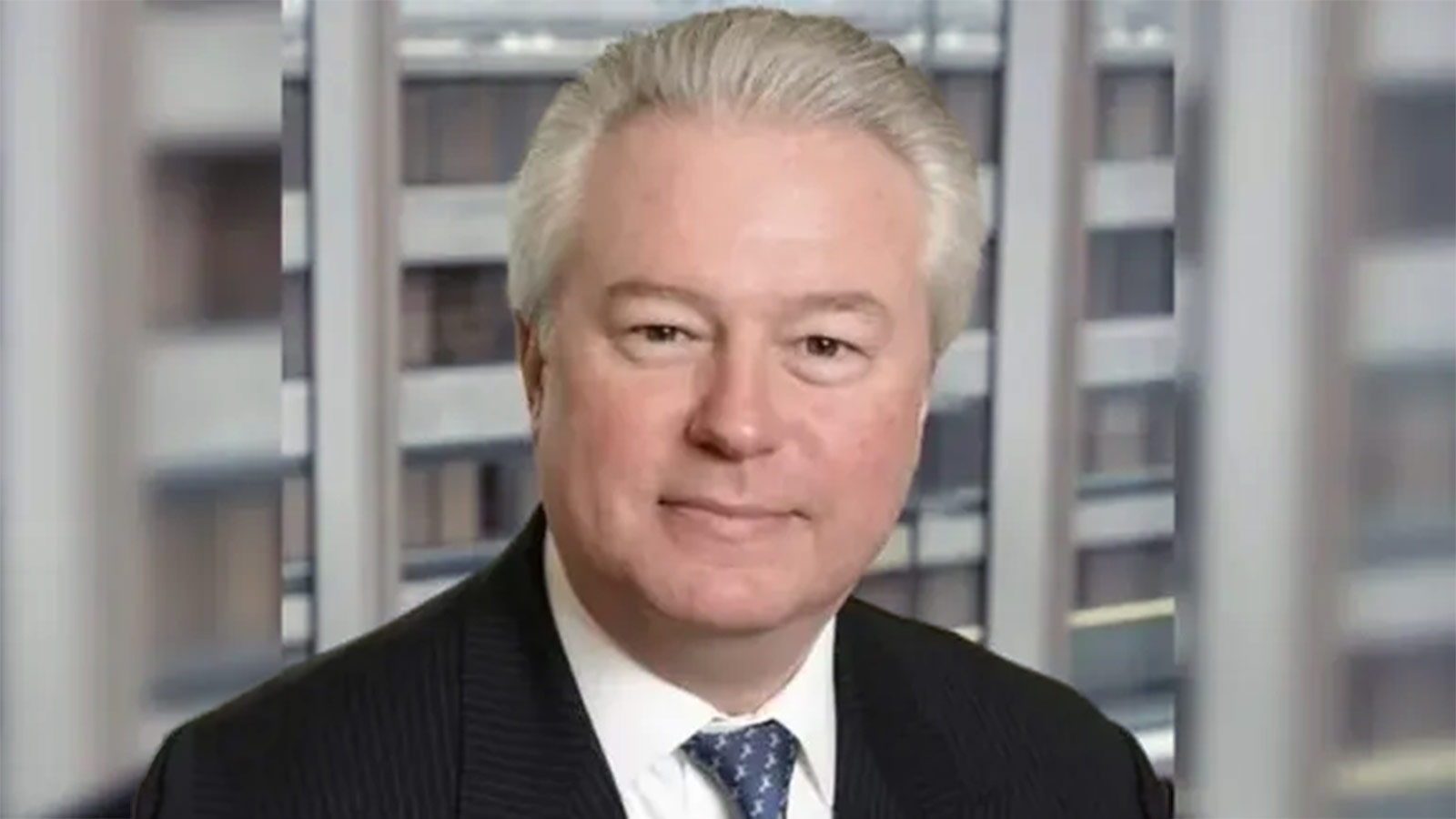
- Billionaire Timothy Mellon donated $130 million to the Pentagon to pay troops’ salaries.
- The Pentagon accepted the gift under strict review, raising ethical questions.
- Most civilian federal employees remain unpaid or furloughed.
- Food aid programs are threatened as the shutdown continues.
Government Shutdown Reaches Unprecedented Length
The United States is facing one of its longest government shutdowns in history, now entering its 25th day. The impasse stems from lawmakers’ inability to reach a funding agreement, leaving federal agencies paralyzed and millions of workers in limbo. The most visible consequence? Over a million government employees are either furloughed or forced to work without pay, a situation that has grown increasingly dire.
For the US military, the shutdown brought a new kind of uncertainty. Normally, the Department of Defense relies on congressional appropriations to pay its 1.32 million service members. But with no deal in sight, the Trump administration last week resorted to shifting $8 billion from military research to temporarily cover payroll. The future, however, remained unclear for the next payday, scheduled for October 31.
Billionaire Donor Steps Forward to Fill the Gap
In a move both unprecedented and controversial, an unnamed donor pledged $130 million to the Pentagon, specifically earmarked to pay troops during the shutdown. President Donald Trump, speaking to reporters, described the benefactor as “a big supporter of mine,” a “great gentleman,” and a “patriot,” but initially withheld his identity at the donor’s request. The Pentagon confirmed the donation, noting it fell within their “general gift acceptance authority,” and would be used exclusively for service members’ salaries and benefits.
The mystery donor’s identity, however, was quickly scrutinized. The New York Times identified him as Timothy Mellon, a billionaire heir to a $15 billion fortune and a prominent Trump supporter. Mellon, known for his deep ties to the US railway industry and recent political activism, had previously donated $50 million to groups backing Trump’s campaigns.
For many troops, the donation translates to roughly $100 each—a small but meaningful lifeline as uncertainty clouds their financial future. Yet, the gesture was anything but simple.
Ethical and Legal Questions Surround Military Donations
The Pentagon’s acceptance of such a substantial private donation immediately raised eyebrows on Capitol Hill. According to department policy, gifts exceeding $10,000 require a thorough review by ethics officials, who must consider whether the donor is engaged in any claims, procurement actions, or litigation involving the Defense Department. Donations from non-citizens trigger even stricter scrutiny.
Typically, the Pentagon receives gifts for specific projects—a school, a hospital, a museum—not direct salary support for its personnel. This deviation from the norm sparked concern among lawmakers and ethics experts.
Senator Chris Coons of Delaware, the top Democrat on the Senate’s defense appropriations subcommittee, voiced serious reservations. “Using anonymous donations to fund our military raises troubling questions of whether our own troops are at risk of literally being bought and paid for by foreign powers,” he said.
Such concerns underscore a broader unease: What happens when private wealth steps in to fulfill functions traditionally reserved for the government? Could this set a precedent, eroding the firewall between public service and private influence?
Broader Impacts: Civilian Workers and Social Services Under Threat
While the military’s immediate payroll crisis may be temporarily alleviated, millions of other federal employees remain unpaid. Civilian government workers have been furloughed or ordered to work without pay, straining families and local economies. The shutdown’s ripple effects extend beyond paychecks, threatening programs that serve vulnerable populations.
According to Arkansas Online, food aid programs face disruption as the shutdown drags on. With administrative staff unable to process applications or distribute benefits, low-income families and children risk losing access to basic nutrition. The longer the standoff persists, the greater the threat to critical social services.
For many, the shutdown has become not just a political standoff, but a test of the nation’s resilience and priorities.
Political Maneuvering and Public Perception
President Trump has leveraged the donation as proof of strong support for his administration, calling Mellon a “wonderful man” who “doesn’t want publicity.” Yet, the optics of relying on billionaire philanthropy to pay soldiers have fueled debate over the proper role of private donors in public affairs.
Some see Mellon’s gift as a patriotic act, a gesture of solidarity with America’s armed forces. Others worry it signals a dangerous slide toward privatization, where essential functions of government become contingent on the whims of wealthy individuals.
As Congress struggles to find common ground, the shutdown remains a backdrop to broader questions about governance, accountability, and the balance of power between public institutions and private influence.
The extraordinary donation by Timothy Mellon to pay US troops during the government shutdown reflects both the generosity and the deep fractures in America’s political and funding systems. While it offers immediate relief for military families, it also exposes ethical dilemmas and raises critical questions about the future of public service funding—issues that will linger long after the shutdown ends.