
Quick Read
- The Buffalo Bills lost to the Denver Broncos in overtime of an AFC Divisional Round playoff game.
- Key controversial calls included an interception ruling and two defensive pass interference penalties against the Bills.
- Bills cornerback Tre’Davious White openly criticized the officiating, calling it “bad judgment” and stating “referees just don’t know ball.”
- Head referee Carl Cheffers defended all rulings, citing specific NFL rules for each decision, including the process of a catch.
- Former NFL referee and CBS rules analyst Gene Steratore offered analysis, confirming one of the DPI calls was correctly made.
The Buffalo Bills’ journey in the NFL playoffs concluded in a dramatic and highly contentious overtime loss to the Denver Broncos, with officiating decisions becoming the central point of a heated debate following the AFC Divisional Round clash. Controversial rulings, including a pivotal interception and two defensive pass interference penalties in the game’s decisive moments, have ignited widespread frustration among Bills players and coaching staff, prompting head referee Carl Cheffers to issue a detailed defense of the calls that ultimately paved the way for Denver’s game-winning field goal. The controversy has overshadowed an otherwise thrilling contest, raising questions about the role of officiating in high-stakes professional football.
Decisive Calls Under the Microscope
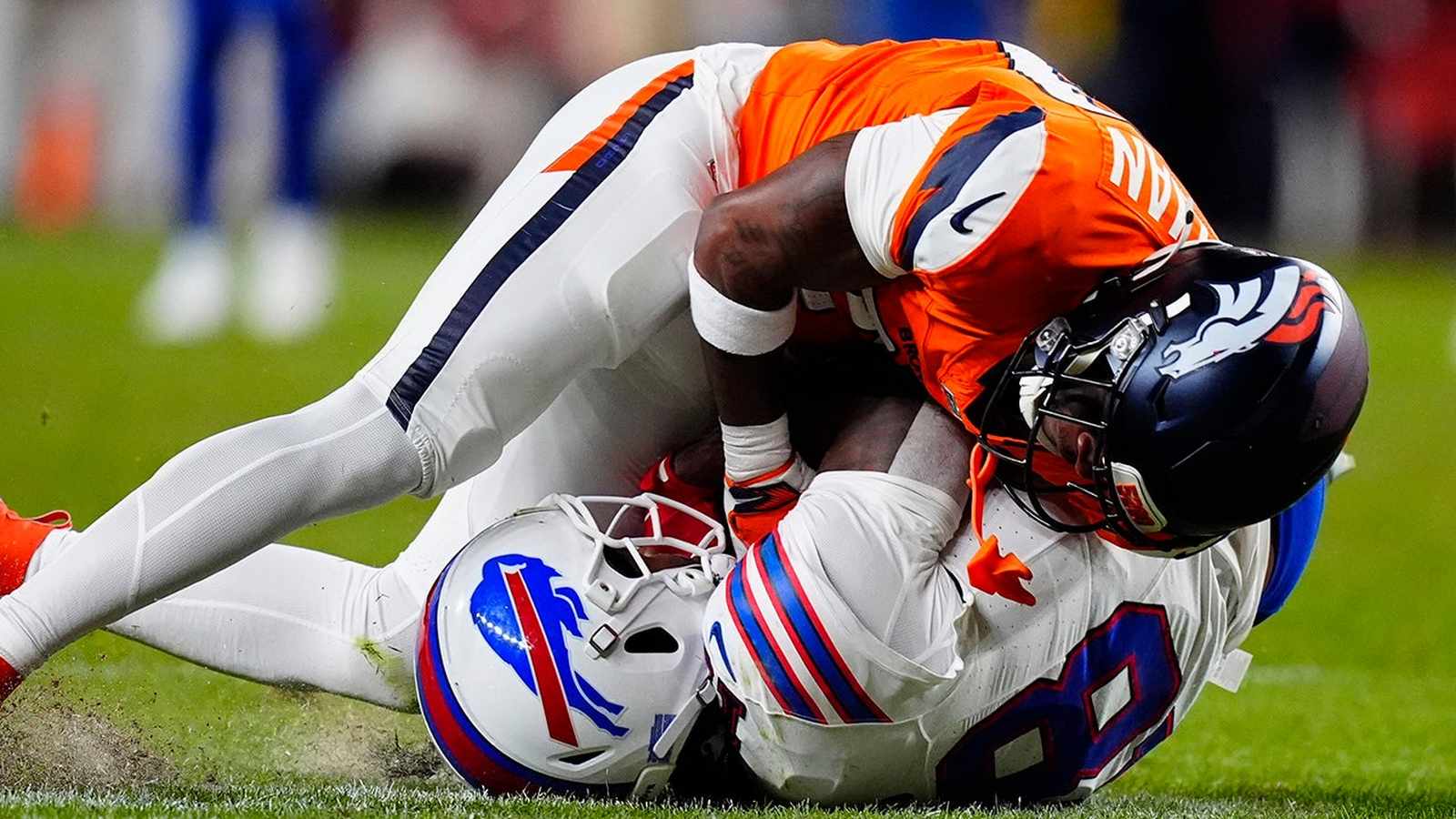
The core of the dispute revolves around three critical plays in the game’s final stages. The first came on the Bills’ opening and only overtime possession, when quarterback Josh Allen launched a deep pass to wide receiver Brandin Cooks. As Cooks went to the ground attempting to secure the ball, Denver Broncos defensive back Ja’Quan McMillian snatched it away, resulting in an interception. Bills coach Sean McDermott voiced his conviction that Cooks had completed the catch and was down by contact. However, the NFL confirmed the interception from New York, and head referee Carl Cheffers provided an explanation in the NFL’s pool report after the game, as reported by Fox News.
Cheffers clarified the ruling: “The receiver has to complete the process of a catch. He was going to the ground as part of the process of the catch, and he lost possession of the ball when he hit the ground. The defender gained possession of it at that point. The defender is the one that completed the process of the catch, so the defender was awarded the ball.” When pressed on whether the ball touched the ground, Cheffers affirmed, “No. That was confirmed in the replay process. The interception was confirmed.” Former NFL referee and current CBS rules analyst Gene Steratore described the interception as a “wild play” on social media, acknowledging the complexity of the situation.
Following this pivotal turnover, the Broncos embarked on their game-winning drive, which was significantly aided by two defensive pass interference (DPI) penalties called against the Bills. With 6 minutes and 9 seconds remaining in overtime, cornerback Taron Johnson was flagged for DPI while covering Broncos wide receiver Courtland Sutton. This penalty advanced the ball to the Bills’ 36-yard line. Cheffers justified this call, stating, “The first one (second-and-10 on the Broncos’ 47-yard line) was an arm grab. The defender held the receiver’s right arm down, which prevented him from going up for the pass with two hands. He was attempting a one-arm grab of the ball. And so, that restriction of his right arm was why pass interference was called.”
Just two plays later, Bills cornerback Tre’Davious White was hit with another DPI penalty while covering wide receiver Marvin Mims. White immediately expressed his vehement disagreement with the call by throwing his helmet, which resulted in an additional unsportsmanlike conduct penalty. Speaking to reporters after the game, White contested the ruling: “I thought that I didn’t interfere with the guy. When the ball got there, I swiped through, knocked the ball down, then fell on top of him.” He further speculated that “the crowd probably played a big-time factor” in the call, as reported by Sports Illustrated. Cheffers, however, defended the second DPI, explaining it as “early contact and an arm grab that materially restricted the receiver.” Interestingly, Gene Steratore, the former NFL official, concurred with this specific call, tweeting that White “started tackling Marvin Mims before the ball arrived.” These penalties collectively moved the Broncos into chip-shot field goal range, allowing them to secure the victory.
Bills’ Frustration Boils Over
The post-game reactions from the Buffalo Bills’ locker room revealed deep-seated frustration. Tre’Davious White, a veteran cornerback, did not hold back in his criticism of the officiating. Beyond disputing his own DPI call, White made a broader statement about the competence of the referees. “Referees are human, and people make mistakes,” he acknowledged, “I just think it should be up to the players to decide the game. When the game is fought so hard and comes down to the wire, plays like that, that’s a professional bang-bang play. As a defensive back, that’s what you want — take the guys to the ground and finish the play. Referees just don’t know ball.” He concluded his remarks with a definitive, “I just think they had bad judgment on that play.”
White was not alone in his sentiments. Head Coach Sean McDermott also expressed his displeasure with the officiating, joining a chorus of Bills players who spoke out against the calls. While the Bills organization is generally known for its culture of accountability and rarely publicly criticizes officials, the unified and outspoken nature of their complaints highlighted the perceived severity of the officiating impact on the game’s outcome. This uncharacteristic outburst from a team typically focused on internal failures underscores the depth of their belief that external factors played a decisive role in their playoff elimination.
Officials Stand By Their Rulings
Despite the outcry from the Bills’ camp, head referee Carl Cheffers remained resolute in his defense of the officiating crew’s decisions. His detailed explanations for both the interception and the two pass interference penalties were rooted firmly in the NFL rulebook, emphasizing the specific criteria that led to each flag. Cheffers’ consistent stance, as conveyed through the official pool report, aimed to provide clarity and justify the calls within the established framework of league regulations. He maintained that the replay process confirmed the interception and that the pass interference calls were based on clear infractions of restricting a receiver’s ability to make a play on the ball.
The external analysis from Gene Steratore, a respected voice in NFL rules commentary, offered a mixed perspective. While he acknowledged the complexity of the interception play, he also validated the second DPI call against Tre’Davious White, lending some credibility to the officials’ judgment in that instance. This split interpretation from an expert highlights the inherent challenges in officiating high-speed, high-stakes football, where split-second decisions must adhere to an intricate set of rules that can sometimes appear ambiguous to players and fans alike. It also brings into focus an earlier contentious moment in the game: an uncalled defensive pass interference against the Broncos in the final seconds of the fourth quarter, which, if flagged, would have placed the Bills at the one-yard line and potentially allowed them to win in regulation instead of settling for a field goal to force overtime.
The Broader Impact of Playoff Officiating
The immediate consequence of these calls was the end of the Buffalo Bills’ Super Bowl aspirations and the advancement of the Denver Broncos to the next round of the playoffs. For the Bills, a team that has consistently been a strong contender in recent years, this loss, compounded by the officiating controversy, adds another layer of heartbreak to their playoff narrative. For the Broncos, the victory, however contentious, propels them forward, setting up a clash with the winner of the New England Patriots and Houston Texans game for a spot in Super Bowl LX.
Beyond the immediate outcome, the incident reignites the ongoing debate about the role and impact of officiating in professional sports, particularly in crucial playoff matchups. The emotional responses from players like Tre’Davious White reflect a common sentiment that the game’s ultimate outcome should be determined by the athletes on the field, not by potentially subjective interpretations of rules by officials. This sentiment often puts the integrity of the game under intense scrutiny, particularly when controversial calls directly influence the final score in such a high-stakes environment.
The post-game fallout from the Bills-Broncos Divisional Round contest underscores the perennial tension between the fast-paced, physical nature of professional football and the intricate, sometimes subjective, application of its rulebook. While officials are tasked with enforcing complex regulations under immense pressure, the perceived inconsistency or impact of certain calls in critical moments can deeply affect public perception of fairness and the integrity of the game’s outcome, often overshadowing the athletic performances themselves.