
Quick Read
- India’s Ministry of External Affairs has banned BLS International from new tenders for two years due to complaints and court cases.
- The ban does not affect existing contracts, which make up about 12% of BLS International’s Q1 FY26 revenue.
- BLS International is expanding rapidly in Latin America with new and upgraded visa centers in Argentina, Ecuador, and Bolivia.
- The company operates in over 70 countries and continues to secure contracts globally despite the MEA ban.
BLS International’s Ban: What Triggered the MEA Decision?
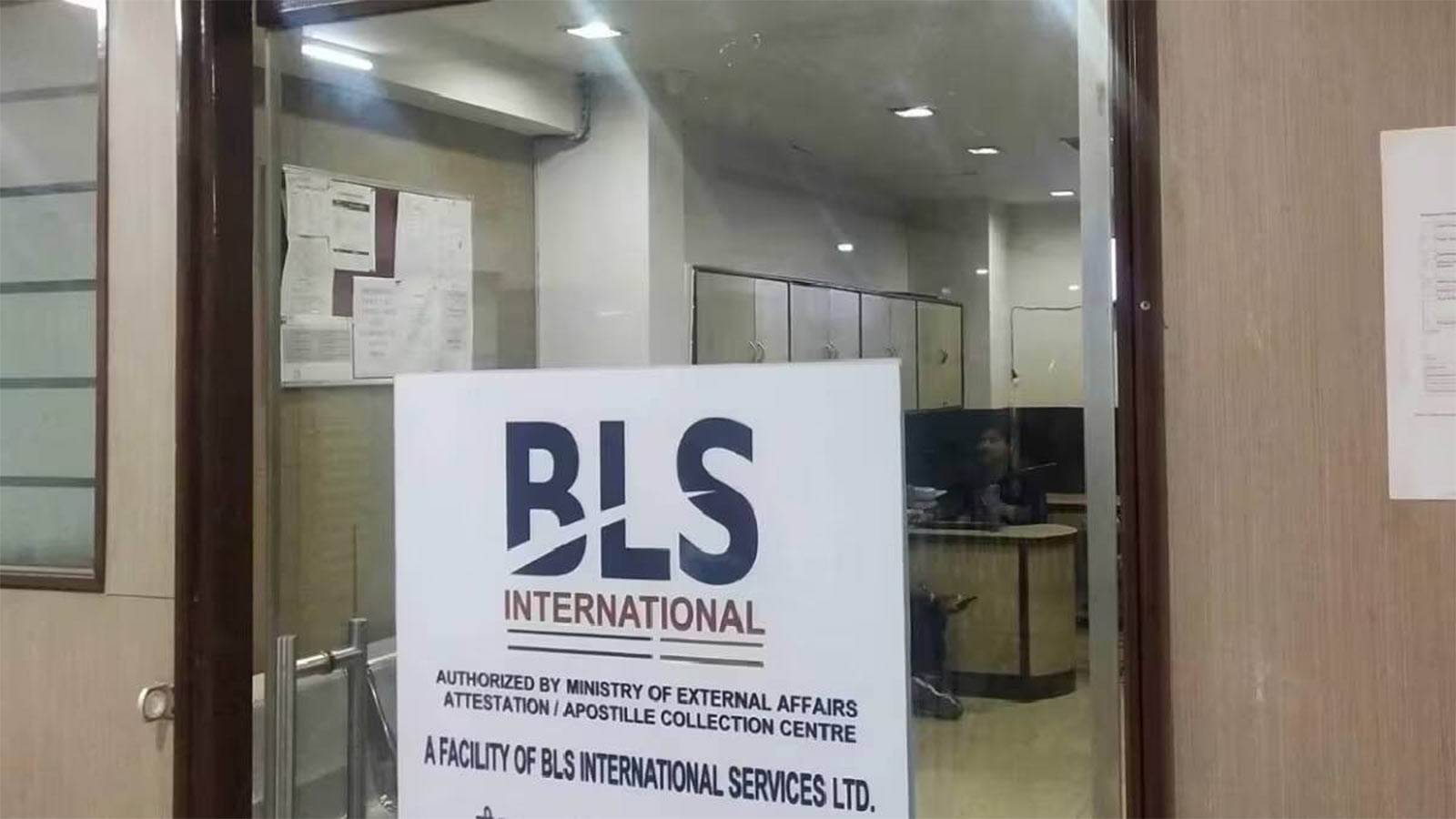
For nearly two decades, BLS International has carved out a reputation as a trusted partner to governments worldwide, providing tech-enabled visa and consular services. But in a striking move that sent ripples across the global mobility industry, India’s Ministry of External Affairs (MEA) recently imposed a two-year ban on the company from participating in new government tenders.
The ban, announced in the wake of complaints and ongoing court cases, raises critical questions for both the company and the wider sector. While BLS International continues to fulfill its existing contracts—responsible for about 12% of its revenue in the first quarter of fiscal year 2026—the company is now shut out of new opportunities from one of its most significant clients. The MEA’s action comes at a time when government outsourcing of visa and consular processes is under increasing scrutiny, with service quality and compliance playing a central role in contract awards.
According to the Economic Times, BLS International’s debarment follows a series of unresolved issues. Although specifics remain confidential, industry sources suggest the complaints range from procedural lapses to service delivery concerns. The Indian government, aiming to uphold high standards in public-facing services, appears to have taken a firm stance, signaling to all vendors that compliance is non-negotiable. For BLS International, this is a critical juncture—a test of resilience and adaptability in an industry where reputation is paramount.
Global Expansion: A Counterweight to Domestic Setbacks
Despite the shadow of the MEA ban, BLS International has not slowed its global march. In fact, the company is doubling down on its international strategy, unveiling major expansions across Latin America. In recent months, BLS has launched a state-of-the-art Visa Application Centre in Argentina, relocated to a larger facility in Ecuador, and assumed direct control of operations in Bolivia. Each move is part of a broader shift from partner-managed to self-managed centers, reflecting a drive for greater consistency and control.
These new and upgraded centers aren’t just about physical space—they’re about transforming the applicant experience. BLS International has invested heavily in AI-driven systems, advanced biometric technology, and customer-centric enhancements. The goal? To streamline processes, boost security, and set new benchmarks for comfort and efficiency. According to company Joint Managing Director Shikhar Aggarwal, the Latin American push “highlights our strengthened focus on the region and our commitment to delivering unmatched customer excellence.”
With operations spanning over 70 countries, more than 50,000 centers, and a workforce exceeding 60,000 employees and associates, BLS International is positioning itself as a global leader—one resilient enough to weather setbacks in any single market. Its certifications in quality, information security, and environmental management further bolster its international standing.
MEA Ban: Limited Scope but Significant Signal
Crucially, the MEA’s two-year ban applies only to new tenders. Existing contracts, which currently make up a sizable portion of BLS International’s revenue, remain intact. This nuance is vital: it gives the company time to address concerns, improve compliance, and potentially regain eligibility in future cycles. At the same time, it underscores the importance of diversification. BLS’s ability to win contracts in the US, UAE, Spain, Portugal, and beyond—alongside strategic acquisitions like iDATA and Citizenship Invest—serves as a cushion against country-specific shocks.
For government clients, the episode is a reminder of the delicate balance between outsourcing efficiency and the need for robust oversight. For BLS International, it is a challenge to rebuild trust at home while proving its value abroad.
The Future of Visa Services: Technology, Trust, and Transparency
The BLS International story is emblematic of larger trends reshaping the global visa and consular services industry. Technology is now at the forefront, with AI and biometrics becoming standard for streamlining applications and enhancing security. At the same time, customer expectations are rising: applicants want faster, more transparent, and less stressful experiences. Companies that fail to deliver—whether due to technological shortcomings or operational missteps—risk losing ground, not just with clients but with the traveling public.
India’s MEA, by taking decisive action against BLS International, is sending a message that echoes far beyond one company: accountability and excellence are non-negotiable, and global players must constantly raise their game. For BLS, the path forward depends on its ability to learn from setbacks, innovate, and uphold standards across all markets.
As the world becomes more mobile, the stakes have never been higher. Governments need reliable partners to manage sensitive processes. Companies like BLS International face intense scrutiny—but also opportunity, if they can adapt and lead.
The MEA’s ban on BLS International marks a pivotal moment for both the company and the visa services sector at large. While the immediate financial impact is cushioned by existing contracts and aggressive international expansion, the reputational test is real. Success now hinges not just on global reach or technological prowess, but on restoring trust, demonstrating transparency, and setting new standards for service—at home and abroad.
Image Credit: economictimes.indiatimes.com