
Quick Read
- Blue whale vocalizations have dropped by 40% over the past decade.
- Marine heatwaves and toxic algae blooms are disrupting whale food sources like krill and anchovies.
- The phenomenon, linked to climate change, is exemplified by a warm water mass called ‘The Blob.’
- Scientists warn of long-term impacts on marine ecosystems and ocean carbon absorption.
- The decline in whale communication is a stark indicator of ecological imbalance.
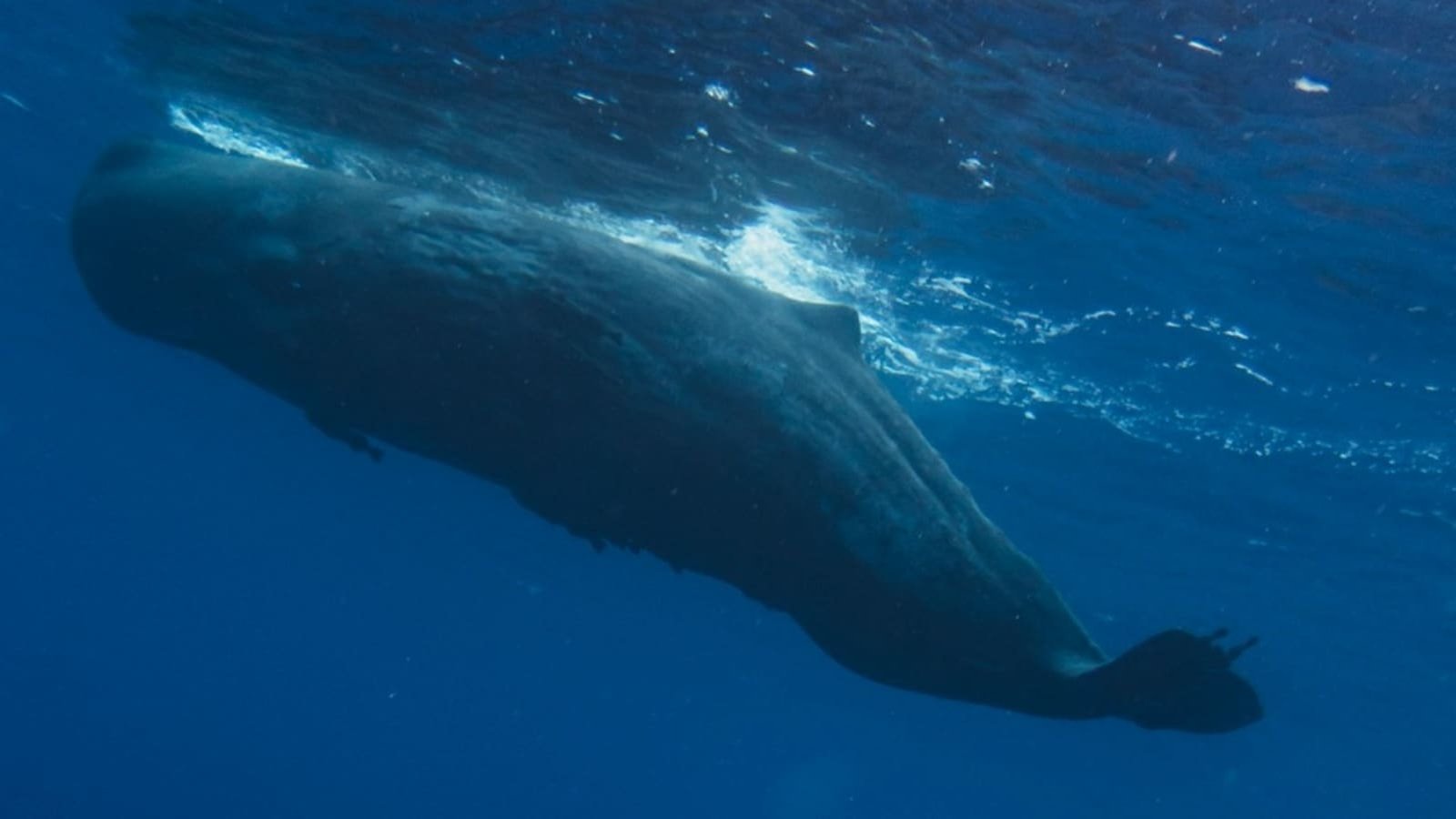
Blue whales, the largest creatures on Earth, are mysteriously falling silent. Marine scientists have reported a significant reduction—nearly 40%—in blue whale vocalizations over the past decade, sparking widespread concern about the health of the world’s oceans. These findings, published in the journal PLOS One, point to a troubling connection between climate change, food scarcity, and the communication behaviors of these marine giants.
How Marine Heatwaves Are Transforming Ocean Ecosystems
Blue whales depend on their vocalizations for navigation, mating, and social interactions. However, recent studies reveal that these sounds are becoming increasingly rare. Using underwater hydrophones, scientists have documented a sharp decline in whale calls, with the evidence pointing to marine heatwaves as a primary culprit. These heatwaves, exacerbated by climate change, have disrupted the ocean’s delicate balance, triggering toxic algae blooms that poison marine food chains.
John Ryan, a biological oceanographer at the Monterey Bay Aquarium Research Institute, described the phenomenon as “the most widespread poisoning of marine mammals ever documented.” The toxic algae, fueled by rising sea temperatures, have decimated populations of krill and anchovies—the primary food sources for blue whales. Without adequate nutrition, whales are forced to conserve energy, prioritizing survival over communication. “It’s like trying to sing while starving,” Ryan explained to National Geographic.
“The Blob”: A Warning Sign of Climate Change
The crisis began with a peculiar warm water mass in the Pacific Ocean, ominously nicknamed “The Blob.” First identified in 2013, this patch of unusually warm water expanded by 2016 to cover more than 2,000 miles, severely impacting marine ecosystems along the West Coast of North America. The Blob disrupted the environmental conditions necessary for krill and other small organisms to thrive, effectively dismantling the foundation of the marine food web.
Marine biologist Kelly Benoit-Bird emphasized the scale of the impact, stating, “If blue whales, which can traverse the entire West Coast, cannot find food, it signifies a large-scale ecosystem disruption.” The consequences extend beyond immediate survival challenges; Oregon State University ecologist Dawn Barlow noted that food scarcity directly affects reproduction rates, as female whales invest less energy in mating when struggling to meet basic nutritional needs.
The Ripple Effects on Marine Ecosystems
The decline in blue whale vocalizations serves as a stark indicator of broader environmental changes. As apex predators, blue whales are vital to maintaining the balance of marine ecosystems. Their struggles reflect a cascade of disruptions throughout the food chain, from microscopic organisms to larger marine species. Benoit-Bird warned of potential “tipping points” that could permanently alter the ocean’s ability to function as a carbon sink, exacerbating global climate change.
Research shows that the duration of marine heatwaves has tripled since the 1940s, a trend that scientists attribute to the intensifying effects of climate change. These extreme temperature events not only threaten marine biodiversity but also compromise the ocean’s role in regulating Earth’s climate. “Listening to and learning from these changes is essential for understanding and addressing future environmental challenges,” Barlow stressed.
What Lies Ahead for Blue Whales and the Oceans
As the frequency and severity of marine heatwaves increase, scientists are racing to understand their long-term impacts. The silence of blue whales is more than a loss of sound; it is a dire warning about the health of our oceans and the planet as a whole. Conservation efforts must focus on mitigating climate change, protecting marine habitats, and restoring food sources to ensure the survival of these majestic creatures.
*The plight of blue whales underscores the interconnectedness of Earth’s ecosystems. Their silence is a call to action, reminding humanity of the urgent need to address the environmental crises that threaten life both above and below the waves.*