
Quick Read
- Bo Bichette hit a pivotal home run in Game 7 of the World Series, putting Toronto ahead early.
- The Blue Jays were two outs from winning their first title since 1993, but lost 5-4 in extra innings to the Dodgers.
- Bichette, after a career-best season, is now set to become a free agent at age 27.
- Toronto faces key contract decisions, with seven players not under contract for 2026.
Bo Bichette’s Signature Swing: A Moment That Almost Changed History
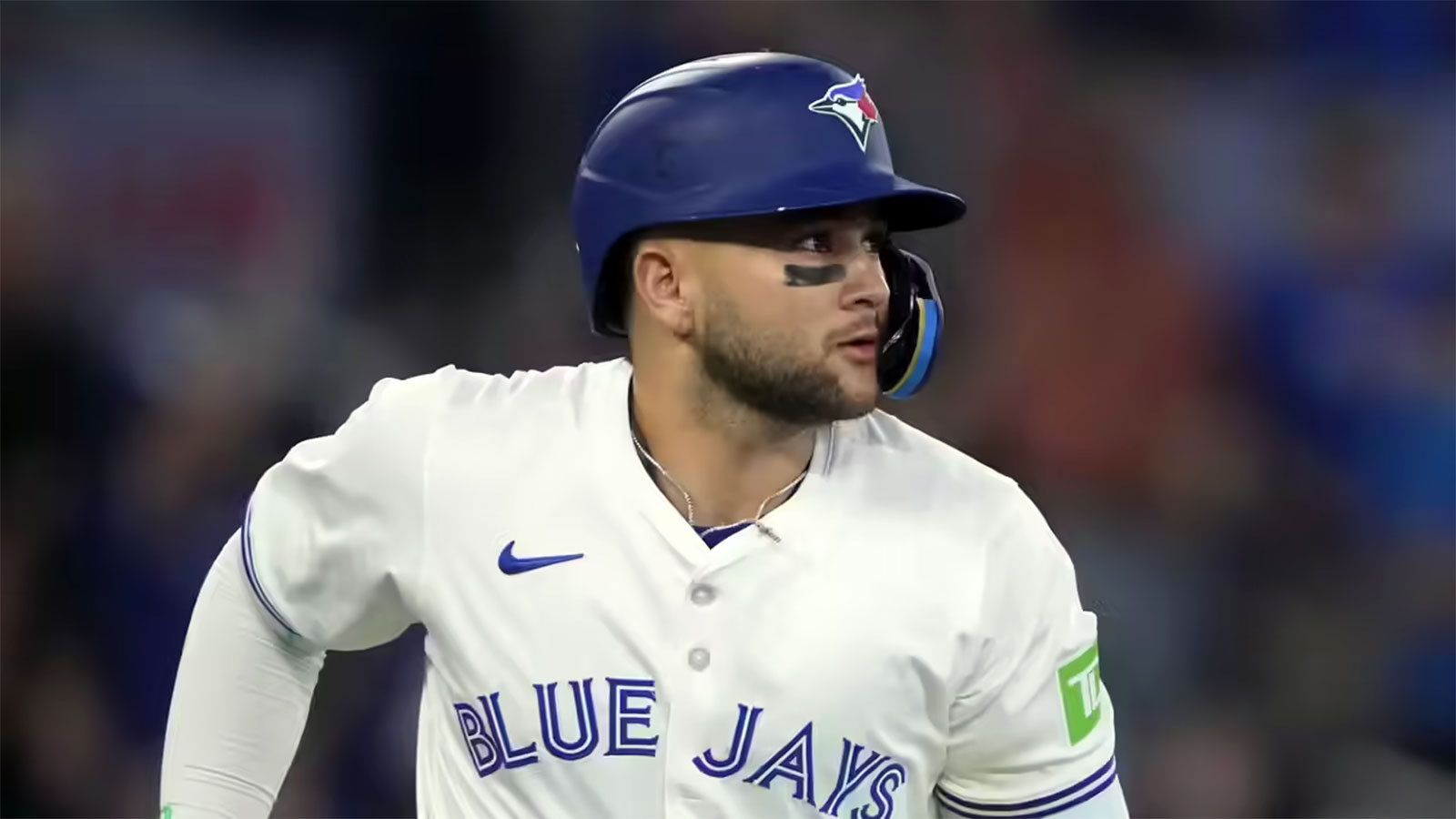
In the electric atmosphere of Toronto’s Rogers Centre, Game 7 of the 2025 World Series delivered every ounce of drama baseball fans could hope for. At the heart of it all was Bo Bichette, the Blue Jays’ homegrown star, whose third-inning home run off Shohei Ohtani sent shockwaves through the stadium. With eyes wide and the season on the line, Bichette’s 442-foot blast put Toronto ahead 3-0, a lead that seemed destined to end the franchise’s three-decade championship drought.
For Bichette, it was more than just another big hit. It was the culmination of a career spent climbing through Toronto’s system and weathering the doubts that followed a rocky 2024 season. His bounce-back campaign in 2025—marked by a .311 batting average, 18 homers, and a career-high 44 doubles—had already silenced critics. But on this November night, he looked ready to etch his name alongside the legends of Blue Jays lore.
Blue Jays’ Roller-Coaster Ride: From Cellar Dwellers to AL Champs
Just one year earlier, Toronto languished at the bottom of the AL East with a 74–88 record. Few expected the team to rebound so spectacularly, let alone capture the division and surge to the World Series. Their journey was a testament to resilience—a patchwork of smart trades, timely hitting, and the emergence of young stars like Trey Yesavage, whose rookie postseason heroics nearly stole the show.
Yet, as the minutes ticked away in Game 7, the Blue Jays’ dream run encountered relentless resistance. The Dodgers, powered by a $500 million roster and postseason veterans, clawed back. Max Muncy’s eighth-inning homer narrowed the gap, and the tension inside Rogers Centre became palpable. Toronto was two outs from glory when Miguel Rojas, inserted for a spark, stunned the crowd with a full-count homer off Jeff Hoffman—his first since September. The game was knotted at 4-4, and the specter of another missed opportunity began to loom.
Bo Bichette’s Future: At the Crossroads of Legacy and Loyalty
As Will Smith’s historic extra-inning homer sealed the Dodgers’ victory, the focus for Toronto quietly shifted from heartbreak to uncertainty. Bichette’s contract status now dominates the offseason narrative. The two-time All-Star is set to hit free agency at 27, putting the Blue Jays in a bind. His numbers—career-best average, power, and durability—make him one of the most coveted infielders on the market. Comparable deals, like Willy Adames’ seven-year, $182 million contract, set the stage for Bichette to command even more.
Will Toronto pay the price to keep their cornerstone? The front office faces a defining decision. For fans, the prospect of seeing Bichette in another uniform is almost unthinkable, but the realities of modern baseball—salary caps, competitive windows, shifting priorities—rarely align with sentiment. The days ahead will test the club’s willingness to invest in homegrown talent versus recalibrating for the future.
Beyond Bichette: An Offseason of Change for Toronto
The end of the World Series brought not just emotional exhaustion but a roster in flux. Seven Blue Jays are now set to hit free agency, including key contributors like Chris Bassitt, Seranthony Domínguez, Ty France, and veteran ace Max Scherzer. Some, like Bassitt, may find their value elsewhere; others, such as Domínguez and France, were strategic rentals whose time in Toronto likely ends here.
Shane Bieber’s situation is a wild card. With a player option and a track record of injuries, his future is uncertain. If healthy, Bieber’s upside is undeniable, but risk remains. The Blue Jays’ front office must weigh experience against youth, and short-term results against long-term stability.
Meanwhile, Isiah Kiner-Falefa, who offered bench depth, also faces the prospect of moving on. The team’s transformation from underdog to contender was rapid, but sustaining success in baseball often means difficult choices and painful goodbyes.
Game 7: The Fine Margins of Greatness
In the immediate aftermath, the sting of defeat was raw. Players wept openly, voices broke, and dreams faded into the cold Toronto night. Bichette, whose swing nearly altered the franchise’s history, embodied both the triumph and tragedy of the moment. Vladimir Guerrero Jr.’s late double and the tense final innings were a microcosm of a season defined by fight and hope.
The Dodgers’ dynasty talk may dominate headlines, but for Toronto, the narrative is more personal—a team that dared to believe, that came within a breath of breaking the curse, and now must confront the realities of roster turnover and the business of baseball.
Looking Forward: Can Toronto Hold Onto Its Heart?
The question now is not just whether the Blue Jays can reload, but whether they can retain the emotional core of their team. Bichette’s free agency will be a litmus test for ownership and management—a signal to fans and players alike about the club’s ambitions. Will Toronto make the investment, or will another city become home to one of baseball’s brightest stars?
With the city still reeling from the loss, the coming months promise reflection, debate, and perhaps a new direction. Whatever happens, Bo Bichette’s home run in Game 7 will remain a symbol of what could have been—a flash of brilliance in a night of heartbreak, and a reminder that sometimes, greatness is measured in moments as much as in championships.
Bo Bichette’s defining World Series performance showed both his talent and his value to Toronto, but the Blue Jays now face a crossroads: invest in their star and continue building, or risk losing the heart of their revival. The choices they make this offseason will echo far beyond the clubhouse, shaping the team’s identity for years to come.