
Quick Read
- BoM’s website redesign cost around $86 million, far exceeding initial estimates.
- The new site faced intense criticism for usability issues and outages during severe storms.
- Federal ministers demanded improvements and consultation with emergency services.
- Radar images failed to update during Queensland storms, sparking public concern.
- BoM reverted some changes and apologized, but trust remains shaken.
BoM’s Costly Redesign Unveiled: A Modern Look Meets Old Problems
Australia’s Bureau of Meteorology (BoM) set out to transform how the nation tracks and prepares for severe weather. After more than a decade, the agency rolled out a long-awaited website overhaul, promising a modern, streamlined experience for millions who rely on its radar and forecasts. But the initial optimism quickly unraveled.
The new BoM website, described by the agency itself as “modern and sleek,” was supposed to make weather information clearer and more accessible. Instead, within days of its release, the redesign became the subject of widespread criticism. Social media platforms buzzed with complaints about confusing layouts, slow updates, and missing features that many Australians depended on, especially as storm season ramped up.
Public frustration boiled over, prompting not just angry posts but also demands from federal officials for immediate improvements. Energy Minister Chris Bowen and Environment Minister Murray Watt called for the Bureau to consult closely with state and territory emergency services, ensuring the new system didn’t compromise public safety or emergency response.
Revealing the Price Tag: $86 Million and Counting
Just as the backlash hit fever pitch, The Guardian revealed a staggering detail: the BoM’s website revamp had cost around $86 million. This number covers both the public-facing website and the complex backend systems that underpin Australia’s weather infrastructure. While earlier reports cited a $4.6 million spend for the site’s visible redesign, it turns out that was just the tip of the iceberg.
The overall overhaul was part of the Bureau’s “Robust” program, a massive $866 million initiative aimed at strengthening security, stability, and resilience across its operations. Contracts with top consulting firms ballooned well beyond initial forecasts. Accenture, tasked with major parts of the redesign, received $78 million—more than double its original $31 million contract. Deloitte, another consulting heavyweight, billed $35 million instead of the expected $11 million.
The Bureau defended these costs, arguing that robust digital infrastructure is essential for delivering accurate forecasts and timely warnings, especially in a country as vast and weather-prone as Australia. Yet, many politicians remained unconvinced. Nationals leader David Littleproud called the spending “unbelievable,” demanding clear explanations for both the price and the tangible improvements delivered.
Storms Strike as Radar Falters: Public Trust Tested
While the debate over value simmered, Mother Nature delivered a stern reminder of why reliable weather information matters. On the very week the new site launched, a dangerous outbreak of thunderstorms swept across southern Queensland and northern New South Wales.
Senior BoM forecaster Angus Hines warned of destructive winds, giant hail, flash floods, and even the possibility of tornadoes—a rare event in Australia. Hailstones up to 8cm battered Queensland on Friday, with more severe weather expected to follow. Key population centers, including Brisbane, Gold Coast, Sunshine Coast, and inland regions, faced significant risk. In New South Wales, towns like Tamworth, Glen Innes, and Moree braced for impact, while coastal communities from Port Macquarie to Byron Bay were put on alert.
“Severe thunderstorms can really pack a punch,” Hines told the ABC, emphasizing that this was a high-end, dangerous weather event. The storms brought not only property damage and road closures but also tragic loss—a fatal lightning strike claimed the life of 21-year-old Finley Bone during soccer training on the Sunshine Coast.
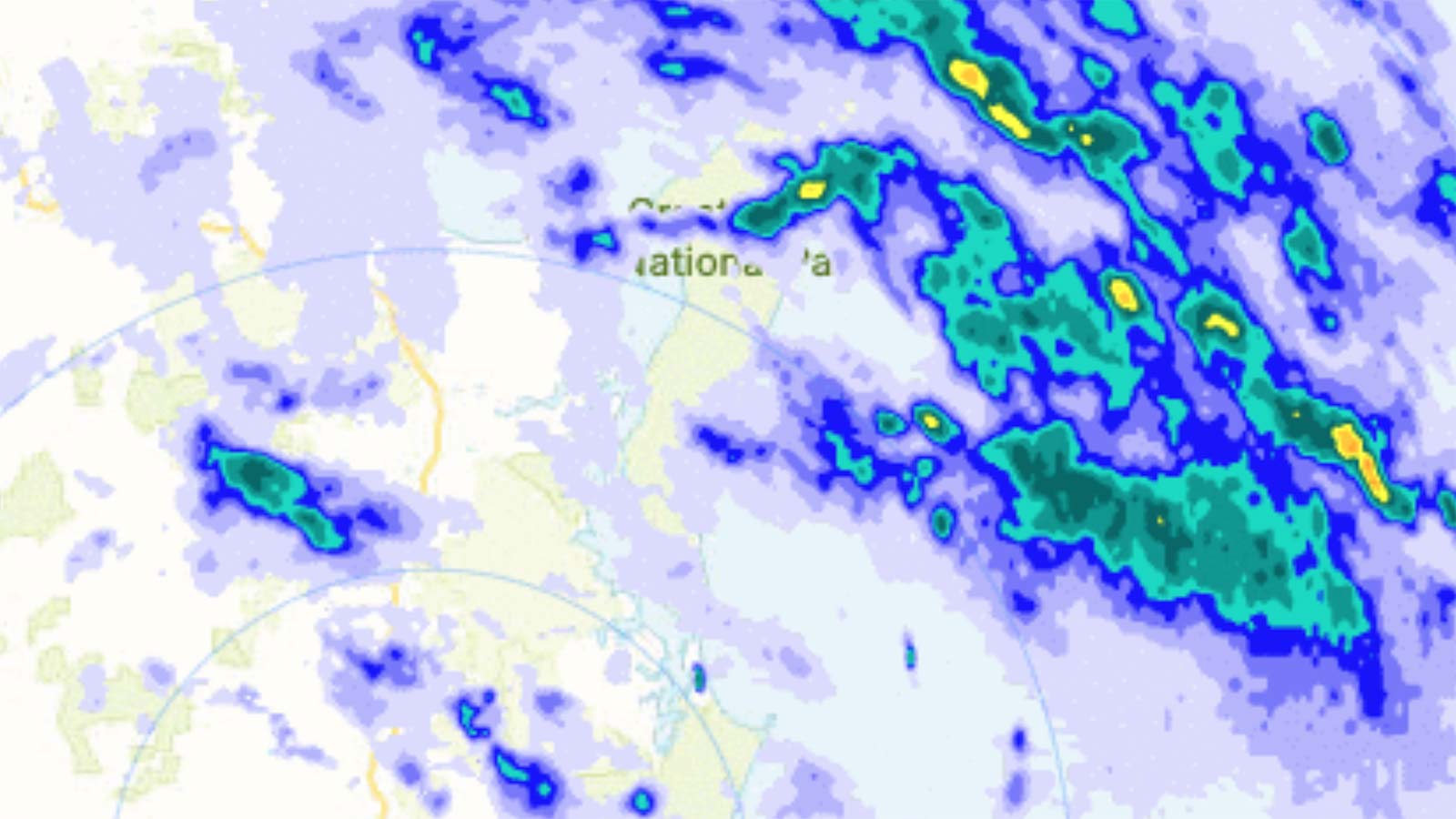
As these storms hit, many users reported that the BoM’s radar images failed to update on both the website and the official weather app. The outage left Australians in the dark at a critical moment, intensifying criticism of the new system’s reliability.
Apologies and Adjustments: A Response to Outcry
Facing mounting pressure, BoM’s acting CEO Peter Stone issued a public apology, acknowledging the challenges the redesign had caused. “We didn’t make the change lightly,” Stone said, recognizing that many users needed time to adapt. On Friday, the Bureau reverted to the previous color scheme for its radar and weather maps—a move aimed at restoring some familiarity and trust.
But for many, the damage—both financial and reputational—had already been done. The costly overhaul, intended to position the BoM as a global leader in weather technology, instead became a lightning rod for frustration. The agency now faces a difficult path forward: restoring confidence while delivering the reliability and transparency Australians expect.
What’s Next for BoM and Australia’s Weather Preparedness?
The story of the BoM radar revamp is more than a tale of technology gone awry. It’s a case study in how digital transformation can falter when user experience is sidelined, especially for essential public services. The timing couldn’t have been worse—rolling out major changes just as storm season began left thousands scrambling for reliable updates.
The Bureau’s commitment to improving its systems is clear, but ongoing scrutiny from politicians, emergency services, and everyday Australians will shape what comes next. The stakes are high: as climate change drives more frequent and severe weather events, public trust in timely, accurate information is not just desirable—it’s vital.
For now, the BoM is listening. Whether its next steps will restore confidence or deepen skepticism remains to be seen.
Analysis: The BoM’s $86 million overhaul illustrates the risks and responsibilities of digital modernization in public services. While investment in robust infrastructure is critical, real-world reliability and user trust must remain at the heart of every update—especially when lives depend on it.