
Quick Read
- Brazil’s Supreme Federal Court (STF) faces ethical scrutiny over alleged conflicts of interest.
- Ministers Moraes and Toffoli are implicated in controversies related to the Master bank fraud investigation.
- STF President Fachin proposed a code of conduct requiring mandatory disclosure of external earnings by ministers.
- The court will judge cases concerning excessive salary bonuses for judges and prosecutors to address public concerns about privileges.
- The “Compliance Zero” operation continues, targeting suspicions surrounding Master bank.
Brazil’s Supreme Federal Court (STF) is currently navigating a significant ethical challenge, with several of its ministers facing intense public and internal scrutiny over alleged conflicts of interest stemming from the liquidation of the Master bank. This escalating situation has prompted STF President Minister Fachin to push for a new code of conduct, aiming to restore the court’s institutional integrity and public image amidst ongoing investigations and widespread criticism concerning judicial privileges. The developments underline a critical moment for the highest judicial body in Brazil, as it seeks to reassert its commitment to ethics and transparency while under considerable pressure.
The Master Bank Scandal and Ministerial Scrutiny
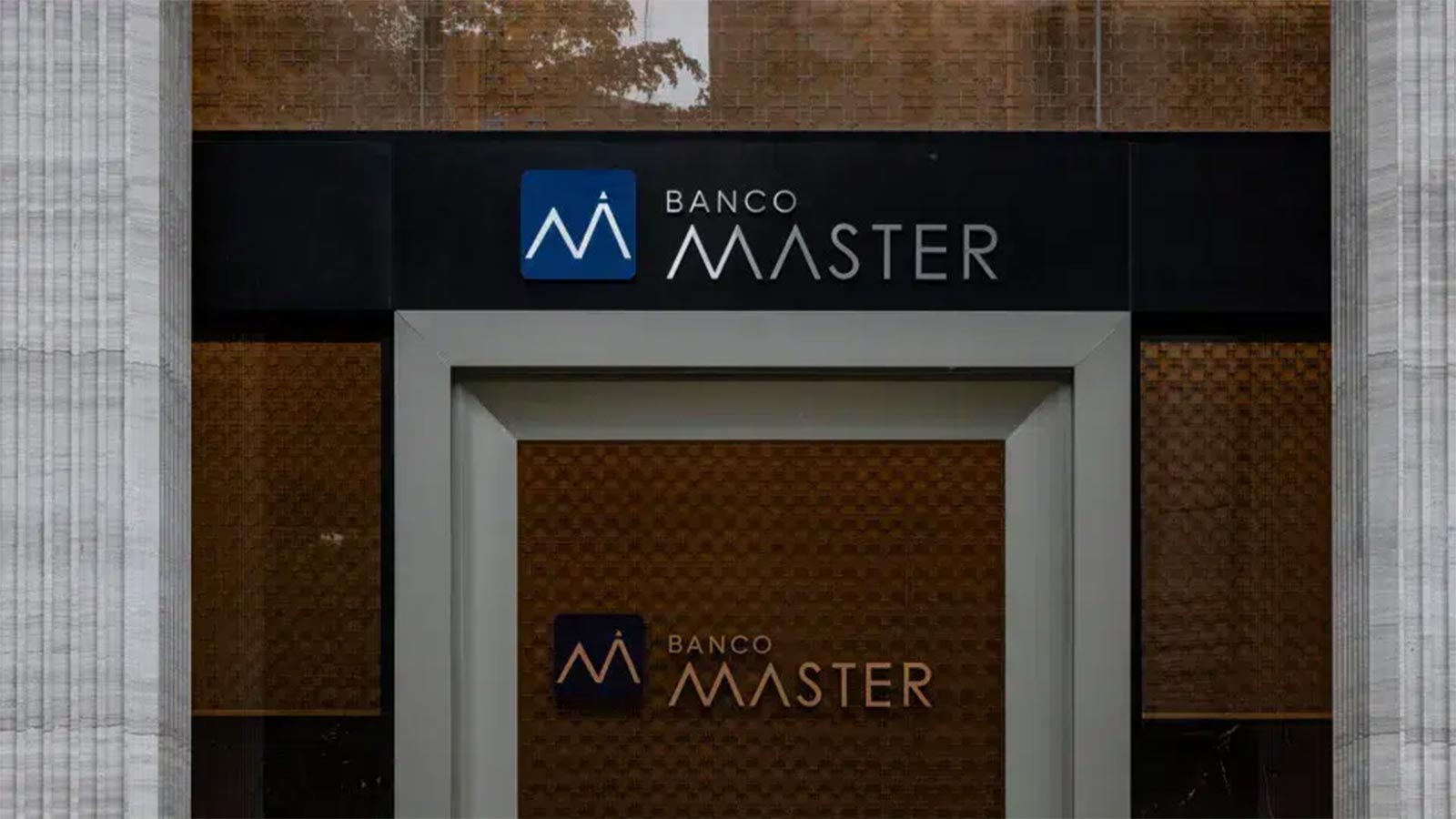
The ethical quandary gripping the STF intensified following revelations linking prominent ministers to the financial dealings of Master bank, which is at the center of a major fraud investigation. Minister Moraes, a key figure in the court, came under particular focus after the newspaper O Globo disclosed that his wife’s law firm, Viviane Barci, reportedly held a significant monthly fee to defend Master. This arrangement could have yielded a staggering R$129 million had the bank not been liquidated. Further allegations suggest that Moraes attempted to intercede on behalf of the financial institution with the president of the Central Bank, raising serious questions about potential conflicts of interest and undue influence.
Adding to the court’s woes, Minister Toffoli has also been implicated in controversies related to the Master case. Reports highlighted a trip to Lima, Peru, on a private jet alongside a lawyer representing a Master director, ostensibly to attend a football game. This incident, coupled with concerns over his handling of certain cases – including an order for a confrontation interpreted as pressure on the Central Bank – and links between companies belonging to his relatives and an investment fund allegedly used by Master to perpetrate fraud, has further fueled public skepticism. A report by A Folha specifically detailed these financial connections, contributing to the growing calls for greater transparency within the judiciary. The STF has, to date, refrained from commenting on these specific accusations.
These revelations have placed immense pressure on the STF, forcing its leadership to confront the perception of impropriety head-on. The ongoing “Compliance Zero” operation, which recently executed 42 search and seizure warrants in its second phase targeting suspicions surrounding Master bank, underscores the gravity of the situation and the public’s demand for accountability.
Push for a Judicial Code of Conduct
In response to the mounting ethical concerns, STF President Minister Fachin has taken a proactive stance, prioritizing the establishment of an institutional position in favor of ethics. His efforts culminated in the proposal of a comprehensive code of conduct for the court’s magistrates. This initiative, which had gained significant traction in December following the public outcry over Toffoli’s controversial jet trip, aims to enhance transparency and accountability within the judiciary. Fachin’s inauguration speech as president of the court explicitly highlighted ethics as a paramount concern, signaling his intent to address these issues directly.
A central tenet of Fachin’s proposed code, inspired by the model of the Federal Constitutional Court of Germany, is the mandatory disclosure of all funds received by ministers for participating in external events and lectures. This measure is designed to shed light on potential financial ties that could create conflicts of interest or influence judicial impartiality. Despite the urgency of the matter, the debate on the code of conduct experienced a natural cooling during the judicial recess, which allowed for a temporary pause in discussions that had reached their peak intensity.
However, the proposed code faces internal resistance. While Fachin has secured support from the presidents of other higher courts and former STF presidents, some within the court remain hesitant. Minister Gilmar Mendes, the dean of the court, notably downplayed the significance of public attention on magistrates’ participation in legal forums and seminars, dismissing such concerns as “nonsense.” He also publicly defended Moraes and expressed certainty that Toffoli’s conversation with the lawyer on the flight to Peru was solely about football, indicating a divergence of views on the necessity and scope of the proposed ethical reforms. Fachin has, nonetheless, signaled his unwavering commitment to pursuing dialogue with his colleagues on the code’s implementation.
Addressing Privileges and Public Perception
Beyond the immediate scandal, the STF is also taking steps to address broader public concerns regarding judicial privileges and remuneration. Minister Fachin has strategically used his shift at the STF to set the plenary agenda until March, notably including two sessions dedicated to judging cases involving judges and state prosecutors accused of benefiting from excessive salary bonuses.
Among the specific topics slated for judgment are a law from Santa Catarina that compensates prosecutors who use their own vehicles and a rule from Paraíba that links judges’ allowances to 90.25% of an STF minister’s salary. Assistants to Minister Fachin anticipate that the Supreme Court’s established jurisprudence strongly indicates these bonuses will be overturned. This move is viewed as a calculated “nod to public opinion,” which has consistently contested the perceived privileges enjoyed by these professional categories.
The inclusion of these cases on the agenda, published in the Diário de Justiça on January 12 – notably amidst the ongoing repercussions of the Master case – is seen as a deliberate effort to contribute to restoring the STF’s image. By publicly rejecting what are widely considered excessive salary benefits, the court aims to demonstrate its commitment to fairness and accountability, thereby rebuilding trust with a skeptical public. These actions, combined with the push for a new code of conduct, form part of a broader strategy to navigate the current crisis and reinforce the judiciary’s institutional integrity.
The Supreme Federal Court’s current challenges highlight the delicate balance between judicial independence and public accountability, especially when high-profile corruption investigations intersect with the personal and professional lives of its members. The internal debate over a robust code of conduct and the strategic scheduling of judgments on judicial privileges reflect a recognition that the court’s legitimacy hinges not only on its legal rulings but also on the perceived ethical fortitude of its individual ministers.