
Quick Read
- ‘Walk My Walk’ by Breaking Rust is the first AI-generated country song to top Billboard’s Country Digital Song Sales chart.
- The identity of Breaking Rust and songwriter Aubierre Rivaldo Taylor remains unknown, fueling speculation about AI involvement.
- The track has over 2 million monthly Spotify listeners and millions of streams on various platforms.
- Music experts highlight digital production and vocal features as signs of AI creation.
- The song’s success has sparked debate about creativity, authenticity, and the future of music.
Breaking Rust’s ‘Walk My Walk’: The First AI-Country Chart Topper
In November 2025, the music industry witnessed a watershed moment: ‘Walk My Walk’, a country song by the enigmatic artist Breaking Rust, soared to the No. 1 spot on Billboard’s Country Digital Song Sales chart. What makes this achievement remarkable is not just the song’s infectious rhythm or heartfelt lyrics, but the fact that its creator might not be human at all. As reported by WION, MusicRadar, and NDTV, the track is widely believed to be generated by artificial intelligence—a first for the country music genre, and a sign of seismic shifts underway in how music is made and consumed.
The Mystery of Breaking Rust: Who—or What—Is Behind the Music?
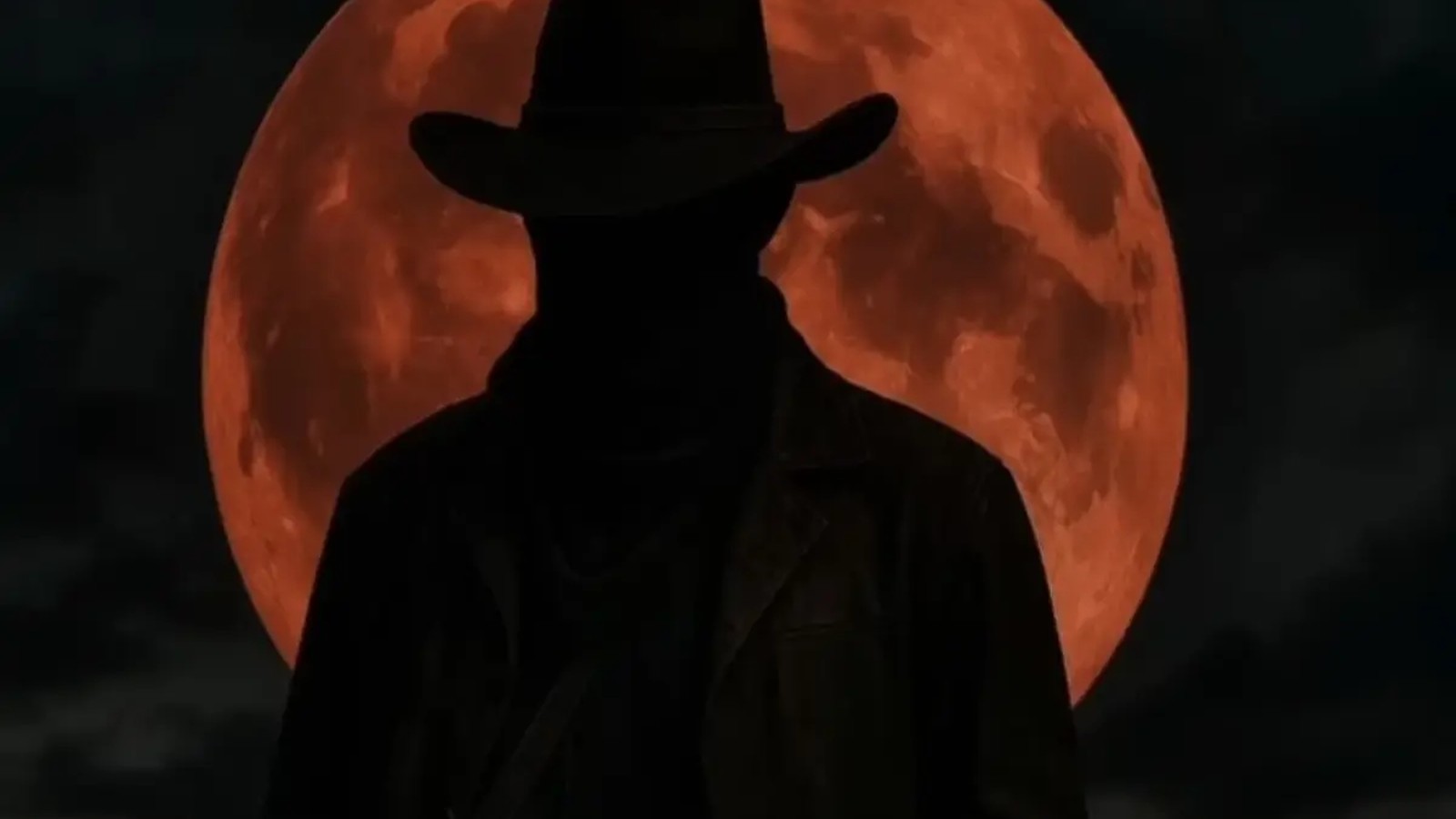
Breaking Rust is an artist shrouded in digital fog. Its Spotify profile boasts over 2 million monthly listeners, and its Instagram presence nears 40,000 followers. Yet, there’s no sign of a flesh-and-blood performer. The photos feature a moody cowboy wandering rain-soaked roads, but the images themselves seem to be AI-generated composites. The song’s credits list ‘Aubierre Rivaldo Taylor’ as the songwriter, but research links this name to another AI project, Defbeatsai, raising further questions about whether Taylor even exists outside of code.
As for the vocals, listeners have noticed something uncanny. “There’s something just a little too mannered, too perfect,” notes MusicRadar, describing the voice as an impeccable, slightly sterile approximation of a worn-down country crooner. Audio experts, including Jason Palamara of Indiana University, point out hallmarks of AI production: compressed audio, a digital shimmer in the vocals, and a consistency that’s hard for any human singer to maintain across multiple tracks.
AI’s Creative Leap: How ‘Walk My Walk’ Captured Millions
Despite—or perhaps because of—its mysterious origins, ‘Walk My Walk’ has struck a powerful chord with listeners. Comments on YouTube and social media are effusive: “Masterpiece,” “My god, his voice is awesome. Beautiful yet heartbreaking,” and even “The greatest song ever!!!” The song’s rapid ascent began in mid-October, quickly racking up millions of streams and drawing in fans from far outside the usual country audience.
Several AI music detection tools have assessed the song’s provenance, estimating a 60-90% likelihood that it’s AI-generated. But no official confirmation has been issued. The lack of a known singer, coupled with AI-generated graphics and promotional materials, fuels the speculation. Breaking Rust’s own bio reads, “Music for the fighters and the dreamers,” but offers no clues about any human involvement.
Industry Impact: Redefining Authorship and Authenticity
The success of ‘Walk My Walk’ is not just a viral moment—it’s a cultural pivot. As NDTV observes, Breaking Rust is now the first AI-only act to top a Billboard country chart, outperforming established human artists. This achievement has reignited debates about what it means to be an artist in the age of algorithms. If software can compose, sing, and promote its own music, where does that leave human creativity?
Notably, the phenomenon isn’t limited to music. Hollywood actors like Matthew McConaughey and Michael Caine have begun collaborating with synthetic voice firms to replicate and license their voices for commercial use. According to The Guardian, McConaughey plans to use ElevenLabs’ technology to translate his newsletter into Spanish, while Caine’s voice will be available for brands to license. This crossover signals a growing acceptance—and commercialization—of AI-generated voices in entertainment.
Jason Palamara, speaking to Newsweek, cautions against over-romanticizing the moment. He calls the track “heavily laden with techy production techniques,” and suggests that the real innovation is the creation of a consistent vocal ‘character’ that AI can reuse endlessly. He warns that the line between human and machine-made music is blurring, and that audiences may soon find it impossible to tell the difference.
Listeners Embrace the Machine: What’s Next for AI Music?
So far, listeners seem unfazed by the revelation. Breaking Rust’s audience is growing, and the song’s success has triggered a wave of similar AI-generated tracks across streaming platforms. For some, the perfection and emotional resonance of the music matter more than its origin story. Others see it as a challenge—an invitation for human artists to double down on what makes their work unique: raw emotion, unpredictable melodies, and the ineffable quirks of real life.
Palamara suggests that artists must lean into their humanity: “genuinely original voices, unexpected chord changes, unusual song structures—the things that made us fall in love with music in the first place.” In an era where algorithms can produce technically flawless songs, authenticity and individuality may become the rarest commodities.
Meanwhile, debates rage about the implications for copyright, creative ownership, and the economics of music. Will AI-generated acts demand royalties? Can software be considered an ‘artist’ under the law? As NDTV reports, some industry insiders worry about the threat to creativity, while others welcome the democratization of production and access.
The Future: Human vs. Machine, or Something New?
The rise of Breaking Rust and ‘Walk My Walk’ marks a new chapter in music history. It’s a moment that raises more questions than answers, challenging our assumptions about artistry, technology, and what it means to connect through song. Whether AI will complement human musicians or compete with them remains to be seen. What’s clear is that the landscape has shifted, and the conversation about music’s future will never be the same.
Breaking Rust’s ascent demonstrates that audiences are willing to embrace music for its emotional impact, regardless of its origins. As AI continues to evolve, the industry must grapple with the complexities of creativity, authenticity, and ownership—questions that will define the next era of art and entertainment.