
Quick Read
- Brent crude prices surged to $119 per barrel following Iranian retaliatory strikes on energy infrastructure in Qatar and Kuwait.
- The ongoing closure of the Strait of Hormuz has created a daily global oil shortfall estimated at 10 million barrels.
- Analysts warn that sustained energy supply disruptions could push oil prices toward $200, significantly increasing global inflation and stalling economic growth.
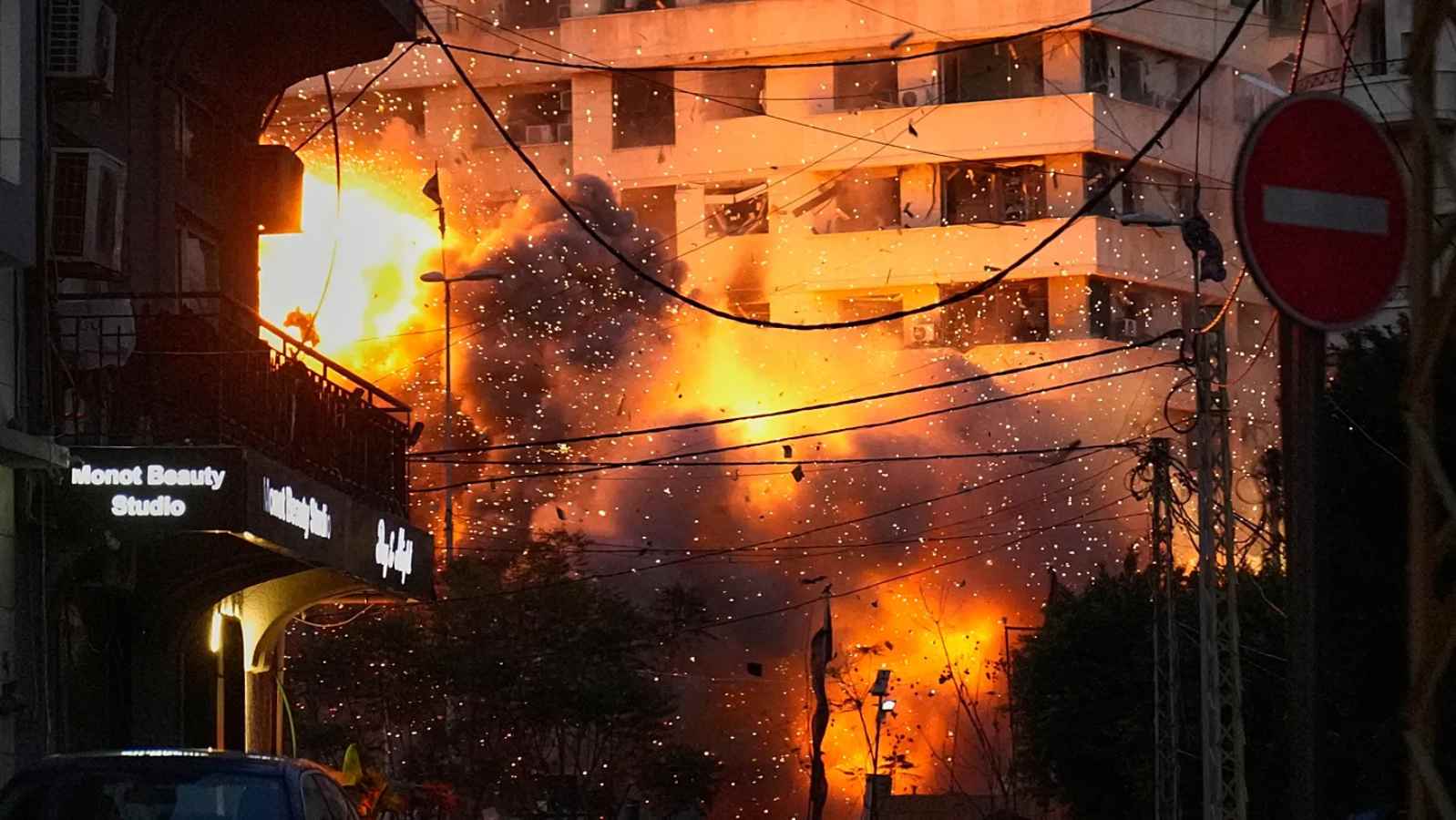
Global energy markets are grappling with extreme volatility as Brent crude prices surged to nearly $119 per barrel on Thursday, following a significant escalation in the conflict between the United States, Israel, and Iran. The latest spike in prices was triggered by retaliatory Iranian strikes on Wednesday evening targeting the Ras Laffan liquefied natural gas (LNG) terminal in Qatar and oil refineries in Kuwait. These attacks represent a direct expansion of the conflict into the vital energy corridors of the Middle East, heightening concerns that the Strait of Hormuz—a chokepoint for one-fifth of global oil supplies—could remain effectively shuttered.
Energy Infrastructure Under Fire and the $200 Outlook
The market reaction has been immediate and severe. While Brent crude briefly touched $119 before stabilizing near $114, wholesale gas prices in Europe and the UK jumped by approximately 25% in early trading. Analysts are now increasingly viewing the prospect of $200-per-barrel oil as a plausible, if extreme, outcome if the current blockade of the Strait of Hormuz persists. Vandana Hari, founder of Vanda Insights, noted that Middle Eastern benchmarks like Oman and Dubai have already exceeded the $150 threshold, signaling that global prices are moving toward record territory.
The Economic Stakes of a Prolonged Blockade
The global economic consequences of sustained high oil prices are significant. According to the International Monetary Fund, every 10 percent rise in oil prices, if sustained over a year, correlates with a 0.4 percent increase in global inflation and a 0.15 percent reduction in economic growth. Energy experts, including Adi Imsirovic from the University of Oxford, warn that oil at $200 would act as a major handbrake on the global economy, impacting not only fuel costs but also the availability of essential materials like fertilizers and plastics. Financial markets have mirrored this anxiety, with indices from Tokyo to London recording sharp declines as investors weigh the risks of a protracted energy supply disruption.
Supply Chain Fragility and Mitigation Efforts
Efforts to stabilize the market through emergency stockpiles have so far struggled to offset the reality of the shipping halt. While countries have committed to releasing 400 million barrels of oil, OCBC Group Research estimates a daily shortfall of 10 million barrels. US Press Secretary Karoline Leavitt announced a 60-day waiver on shipbuilding rules to facilitate the movement of vital resources, yet analysts warn that the infrastructure damage at hubs like Ras Laffan cannot be substituted quickly. As the market balances between panic-driven demand and the potential for demand destruction, the trajectory of oil prices remains tethered to the duration of the military standoff in the Gulf.
The severity of the current price surge lies not just in the immediate destruction of infrastructure, but in the structural inability of the global market to reroute energy flows through the Strait of Hormuz, turning a regional military conflict into a systemic threat to global inflation and economic stability.