
Quick Read
- Brian Walshe stands accused of murdering his wife Ana Walshe on January 1, 2023.
- He was found competent to stand trial after an evaluation at Bridgewater State Hospital.
- Jury selection begins Tuesday; the trial is set for December 1.
- Key evidence and witness statements remain contested between prosecution and defense.
- Ana Walshe’s body has never been recovered, intensifying the complexity of the case.
Final Pretrial Hearing Frames the Brian Walshe Murder Trial
On the eve of a high-profile Massachusetts murder trial, the final pretrial hearing for Brian Walshe unfolded with a string of legal wrangling and emotional undercurrents. Walshe stands accused of killing his wife, Ana Walshe, on New Year’s Day 2023—a crime that shook the Cohasset community and captured national attention.
Monday’s session at Norfolk Superior Court, reported by NBC Boston and Boston.com, was no routine legal formality. It was the culmination of months of delays, questions of mental fitness, and the kind of evidence disputes that shape the trajectory of a criminal trial. Judge Diane Freniere, presiding, signaled a determination to move forward, even as lawyers on both sides sparred over what jurors will ultimately see and hear.
Competency and Security: Walshe Cleared for Trial
The trial’s beginning was delayed while Walshe underwent a competency evaluation at Bridgewater State Hospital. This followed a violent attack by a fellow inmate in September 2024, which his defense team argued left lingering psychological and physical impacts. However, after weeks of observation, clinicians declared Walshe fit to stand trial—a decision uncontested by his lawyers and accepted by Judge Freniere. With this hurdle cleared, the path to jury selection opened, scheduled to commence Tuesday, with the full trial set for December 1, after Thanksgiving.
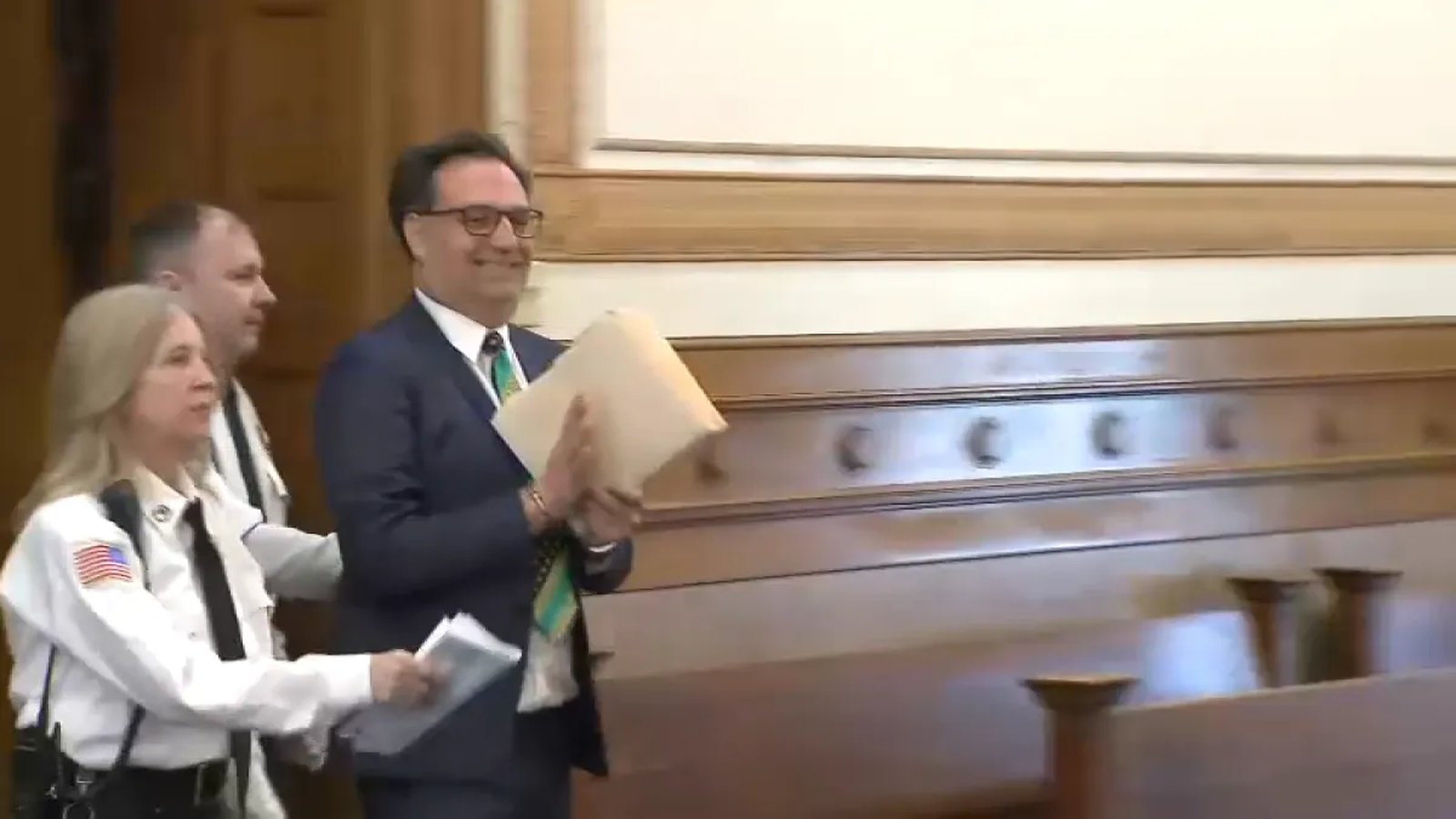
Security concerns lingered in the background. Attorneys requested that Walshe be allowed to remove his handcuffs during proceedings—a move Judge Freniere did not oppose, pending court officer approval. The judge also emphasized the importance of keeping jurors off social media and news outlets during the trial to safeguard impartiality, a necessary ask in a case drawing widespread attention.
Evidence Disputes and Witness Dynamics
The hearing was defined by heated debates over what evidence would be admissible. Prosecutors, building their case on a web of digital footprints and physical purchases, allege that Walshe searched online for information about disposing of bodies and bought items like a hacksaw, hatchet, and cleaning supplies immediately after Ana’s disappearance. The defense, meanwhile, pressed for limitations on what could be presented, questioning the relevance and context of certain communications.
One flashpoint involved text messages between Ana and William Fastow, with whom she was reportedly having an affair. Prosecutors view these as relevant to motive and marital discord; the defense contends there’s no proof Walshe saw the messages, thus they should be excluded. Judge Freniere deferred a final decision, leaving the door open for further argument as the trial unfolds.
Further complexities surfaced around statements by Walshe’s former attorney, Tracy Miner, and conversations with Ana’s close friend, Alyssa Kirby. Prosecutors hope to use these to illustrate the state of mind of both Ana and Brian, while the defense accuses the state of cherry-picking details to shape the narrative. The judge encouraged the defense to present broader context if they feel the prosecution’s selections are incomplete.
Adding to the tension, Walshe’s mother was present during the hearing but was asked to leave when the topic of a private investigator surfaced. Her status as a potential witness remains uncertain—a reminder of the tangled personal relationships surrounding the case.
Missing Evidence and Public Attention
One of the most haunting aspects of the case is the absence of Ana Walshe’s body. Investigators have never found her remains, a fact that looms over the proceedings and complicates the prosecution’s narrative. Prosecutors sought to introduce a video featuring a rug allegedly found in a dumpster, but the defense successfully argued that a screenshot would suffice, sparing the jury a potentially prejudicial visual.
Every detail matters. The court meticulously reviewed motions about the jury questionnaire and procedural logistics, underscoring the high stakes of assembling an unbiased panel. Judge Freniere’s insistence on strict protocols—like jurors avoiding media and social platforms—reflects the intense scrutiny surrounding the trial.
The Road Ahead: Jury Selection and Trial Start
As the dust settled on Monday’s hearing, the stage was set for the next critical phase: jury selection. Both prosecution and defense introduced themselves, marking the official start of a process that will sift through prospective jurors for impartiality and resilience. The trial, slated for December 1, promises to be a test not only of the evidence but of the ability of the court to manage complexity, controversy, and public interest.
Walshe has pleaded not guilty to charges of first-degree murder, misleading police, and improper conveyance of a human body. The defense continues to argue for a fair and balanced presentation, while the prosecution marshals every detail to establish guilt in a case where the most crucial evidence—the body itself—remains missing.
The final pretrial hearing did not resolve every dispute, nor did it quiet the storm of questions surrounding Ana Walshe’s disappearance. Instead, it set the stage for a trial that will examine not just the facts, but the way those facts are presented, interpreted, and understood by a jury—and by a public eager for answers.
In a case where much remains uncertain, the final pretrial hearing illuminated the legal and emotional complexities that will shape the Brian Walshe trial. With critical evidence still in dispute and the absence of Ana’s body haunting every proceeding, the outcome will hinge as much on courtroom strategy as on hard facts—a sobering reminder of the challenges inherent in prosecuting cases built on circumstantial evidence and public expectation.