
Quick Read
- Kemi Badenoch unveiled £47bn in savings at the Conservative conference, including £23bn from welfare cuts.
- Plans include restricting benefits to British citizens and those with severe mental health conditions.
- Badenoch advocates leaving the ECHR, repealing climate policies, and tougher immigration controls.
- Party faces declining polls, internal divisions, and challenges from Reform UK and Labour.
- Debate continues over the party’s future direction and its ability to reconnect with voters.
Conservatives Grapple with Decline and Relevance
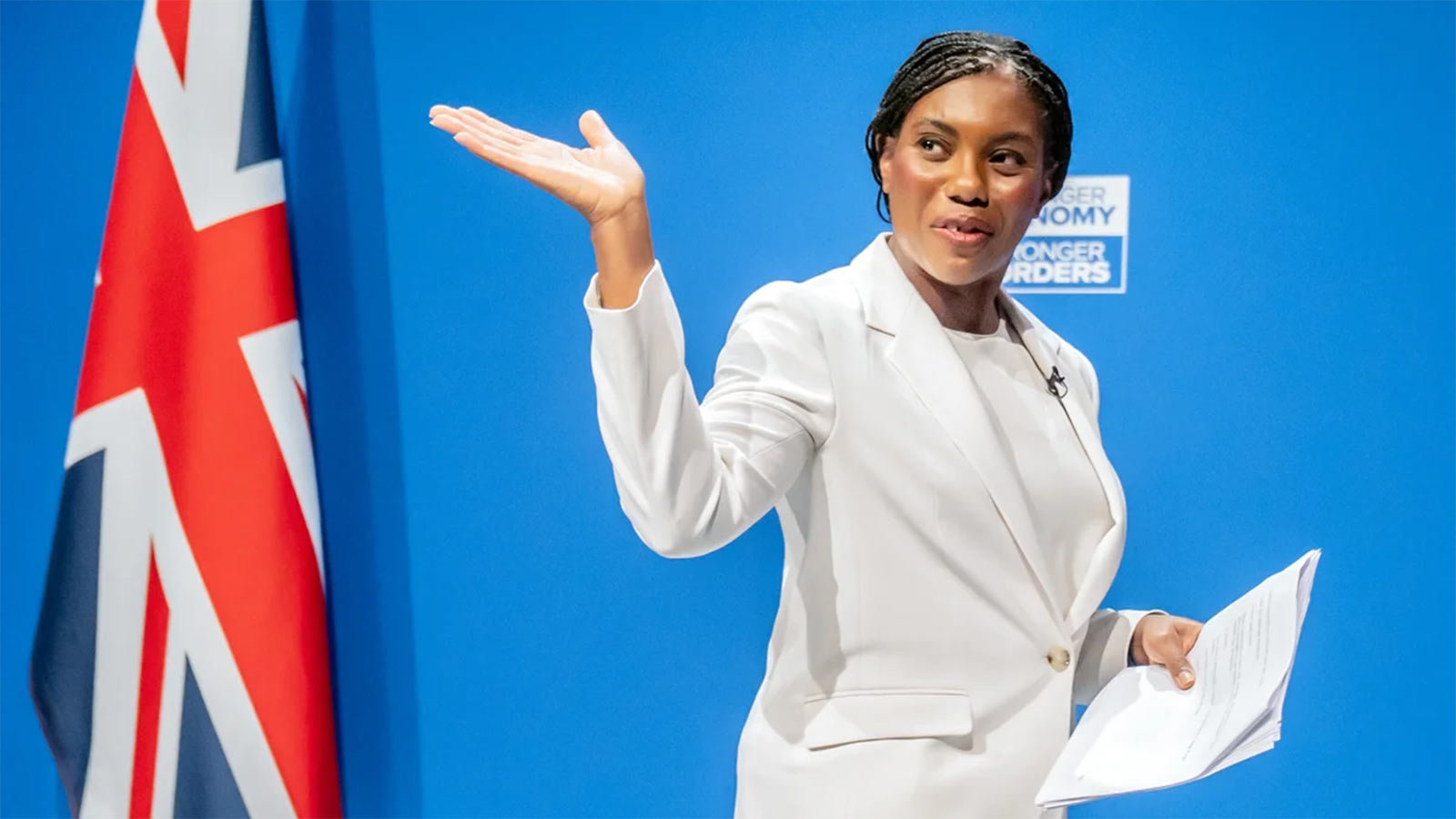
The Conservative Party, once the unchallenged force shaping British politics, now stands at a critical juncture. Kemi Badenoch, the party’s leader, took the stage at the Manchester conference under the weight of plummeting poll numbers and whispers of leadership challenges. The mood was unmistakably tense—a mix of nostalgia for past glories and anxiety about an uncertain future. As reported by Sky News and The Guardian, Badenoch’s keynote speech was not just a defense of the party’s legacy but a bid for survival.
Badenoch faces a party whose loyal base is aging and whose appeal to new voters is waning. Meanwhile, Nigel Farage’s Reform UK has seized the role of chief antagonist to the Labour government, outflanking the Conservatives on the right and siphoning off their most energetic supporters. The question in the air: If the Conservative Party didn’t exist, would Britain need to invent it again?
Badenoch’s Vision: Radical Cuts and Policy Overhaul
Determined to reverse the party’s fortunes, Badenoch outlined a sweeping agenda. Her “golden rule” promises that every pound saved will be split between deficit reduction and tax cuts or economic stimulus. The shadow cabinet, she claimed, has already identified £47 billion in savings—£7 billion from overseas aid, £8 billion from the civil service, and a staggering £23 billion from welfare. Half of these savings are earmarked for deficit reduction, the other half to “unleash our economy.”
Among the most controversial proposals is a plan to reduce working-age welfare by at least £23 billion. Benefits would be limited to British citizens and restricted to those with severe mental health issues, returning welfare to its “founding principle” of aiding only those in genuine need. The policy would also restrict motability vehicles and shut down “rip-off” university courses in favor of apprenticeships.
Badenoch’s economic vision is entwined with tough rhetoric on immigration and law enforcement. She pledged to leave the European Convention on Human Rights, scrap the Human Rights Act, and deport 150,000 illegal migrants. Law and order measures include more police on the streets, expanded stop-and-search powers, and a ban on doctors’ strikes.
Climate Policy and the Push for Energy Reform
Climate policy took center stage as Badenoch announced plans to scrap the Climate Change Act, replace carbon taxes on electricity, and introduce a “cheap power plan.” Her approach favors nuclear energy and expanded drilling in the North Sea, positioning the party as skeptical of net zero goals. She argued that high energy prices are damaging key British industries—manufacturing, farming, fishing, steel, chemicals, ceramics, oil, and gas—and that current climate policies risk bankrupting the country.
This rejection of green commitments has drawn criticism. As The Guardian observes, Badenoch’s climate stance channels a fear of green energy as a left-wing plot, ignoring its potential as a growth industry and a path to cheaper power.
Internal Strife, Culture Wars, and Leadership Challenges
The Manchester conference hall was packed—a testament to members’ yearning for clarity and direction. Yet beneath the applause, the party remains divided. Badenoch’s speech earned standing ovations from loyalists, but doubts persist about her ability to unite the party and outmaneuver rivals like Farage.
Badenoch’s rhetoric is laced with culture-war themes. She criticizes high immigration, “apologizing for the UK’s history,” and government overreach. She promises to cancel Labour’s tax policies and fights against what she calls “the unemployment bill.” At the same time, she draws on the Conservative legacy—citing achievements from creating the modern police force to legalizing same-sex marriage and delivering Brexit.
But the party’s moderate wing is shrinking. As The Guardian notes, old-fashioned, pro-enterprise, center-right conservatism is being eclipsed by more radical, nationalist positions. Badenoch’s embrace of a Trump-inspired immigration enforcement model—ICE—signals a hardening stance, even as she insists on her party’s respect for historic institutions and the rule of law.
Challenges from Labour, Farage, and Beyond
Badenoch’s strategy is as much about attacking Labour as it is about defending Conservative principles. She accuses Starmer’s government of raising taxes, weakening borders, and fostering chaos. She lists ministerial scandals and criticizes Labour’s handling of China and national security. Meanwhile, the Conservative chairman, Kevin Hollinrake, raises concerns about cultural integration and the “ghettoization” of certain communities—a contentious point that has sparked debate over the party’s approach to diversity and social cohesion.
Externally, the party faces challenges from Labour, Reform UK, and the Liberal Democrats. Polls show the Conservatives slipping to joint-third place, behind both Labour and Reform. Talk of defections and leadership struggles is rampant, and the party’s sense of urgency is palpable.
Historic Legacy and Future Prospects
Throughout the conference, the shadow of Margaret Thatcher loomed large. The “Maggie Mosaic,” filled with members’ faces, symbolized both pride in the past and longing for a clear identity. Badenoch invoked past Conservative successes—slashing the deficit, improving education, opposing Putin’s invasion of Ukraine—but acknowledged the need for renewed vigor and bold ideas.
The party’s journey to the next general election in 2029 is framed as a long-term strategic effort. Badenoch insists there is no “quick fix” and pledges to fight for small business owners, victims of crime, and farmers. Yet, as The Guardian argues, the challenge is immense: after years in power, the Conservatives struggle to be heard by a public weary of their brand.
Analysis: Is Badenoch’s Gamble Enough?
Badenoch’s sweeping reforms and combative rhetoric mark a decisive shift for the Conservative Party. The strategy—radical cuts, tough migration controls, and a skeptical stance on climate policy—aims to draw sharp distinctions with Labour and Reform UK. But the risk is clear: the party may alienate moderate supporters while failing to win back those drawn to Farage’s more populist agenda.
The conference was a moment of reckoning. Badenoch’s leadership is on the line, and her vision for Britain is both a gamble and a challenge to the party’s identity. Whether her bold agenda can revive Conservative fortunes or hasten their decline remains to be seen. The crossroads is real—and the path forward is anything but certain.
Badenoch’s attempt to reposition the Conservatives as a party of rigorous, principle-driven reform is a high-stakes gamble. The policy shifts signal a move toward populist nationalism, risking the loss of centrist voices and deepening divisions within the party. As Britain’s political landscape evolves, the Conservatives must balance bold innovation with a credible vision that resonates beyond their shrinking base. The outcome of this strategy will define their relevance—and perhaps their survival—in the years ahead.