
Quick Read
- British Airways warns that AirTags are not a substitute for professional airline baggage tracking systems.
- Technical limitations, including reliance on Apple’s network, make AirTags unreliable on certain international routes.
- Public criticism of British Airways’ first-class service has intensified following reports of inconsistent meal quality and lack of privacy features.
LONDON (Azat TV) – British Airways is recalibrating its relationship with passengers this month, issuing urgent technical guidance on luggage tracking while simultaneously managing a wave of public criticism regarding its premium cabin experience. The dual challenges highlight an airline struggling to reconcile the expectations of modern, tech-savvy travelers with the operational realities of long-haul aviation.
Reliability Concerns Over AirTags in Checked Luggage
In a move aimed at curbing a popular travel trend, British Airways, alongside carriers like Delta Air Lines, has formally cautioned passengers against relying on Apple AirTags as a primary method for tracking checked baggage. While the Bluetooth-enabled devices have become a fixture for many travelers seeking peace of mind, the airline contends they are not a substitute for official carrier tracking systems. Industry experts point to significant infrastructure limitations, including the reliance on the Apple Find My network, which can become sporadic during long-haul international flights or in regions with restrictive data privacy laws, such as South Korea. British Airways maintains that its own RFID-based baggage handling systems are optimized for real-time operational monitoring and are inherently more reliable for airline personnel than third-party consumer electronics.
First Class Service Under Public Scrutiny
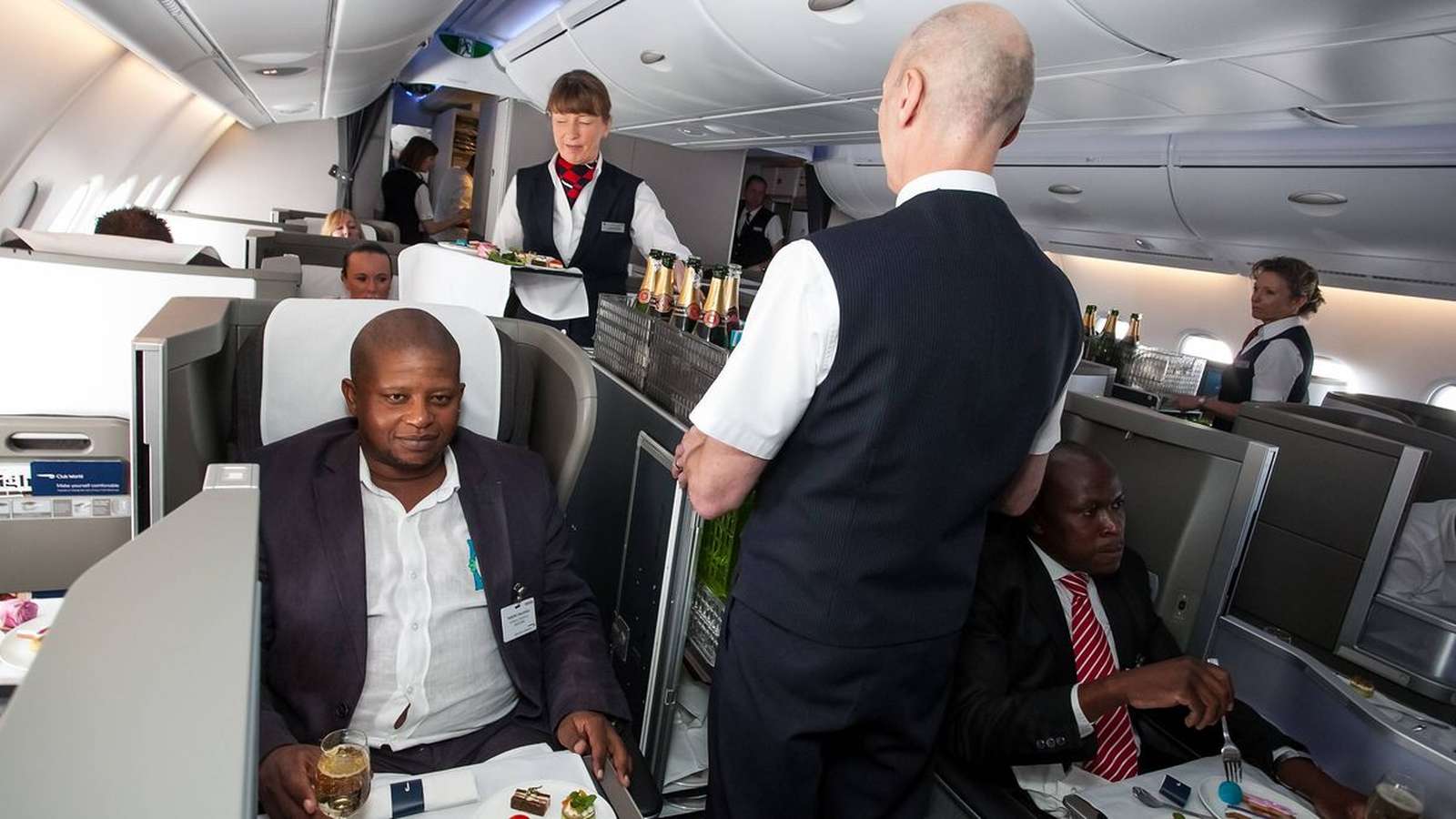
Beyond technical baggage protocols, British Airways is facing fresh scrutiny regarding its high-end service offerings. Recent social media documentation from a high-profile passenger who spent nearly £7,000 on a first-class ticket has sparked a broader debate about the value proposition of the airline’s premium cabins. The passenger, a content creator, reported a lack of privacy doors—a feature now standard in many business-class configurations—and significant failures in meal fulfillment. Despite pre-booking specific dining options, the passenger was informed that his requested meal was unavailable, leading to a public critique of the onboard culinary quality. This incident has amplified existing customer complaints regarding the consistency of the airline’s luxury experience, forcing a public conversation on whether current amenities align with the steep price point of first-class travel.
The Intersection of Tech and Luxury Standards
The airline is currently navigating a period where passenger expectations are increasingly defined by personal technology and luxury benchmarks. By discouraging the use of consumer trackers, British Airways is effectively asking passengers to trust the airline’s internal systems, a request that carries increased weight given the current focus on service transparency. For the airline, the challenge remains to restore confidence in its operational reliability—both in the cargo hold and in the cabin—as it faces pressure from a more vocal and connected consumer base.
The confluence of these issues suggests that British Airways is undergoing a critical transition where its legacy brand image is being tested by both the limitations of modern travel hacks and the heightened, vocal demands of premium-tier passengers who expect flawless execution for high-price investments.