
Quick Read
- The British Empire Medal (BEM) honours individuals for exceptional service to their communities and public life.
- Recipients in 2025 include war veterans, charity founders, and grassroots activists tackling issues like loneliness and bereavement.
- 101-year-old D-Day veteran Mervyn Kersh received the BEM for Holocaust education and voiced concerns about rising antisemitism.
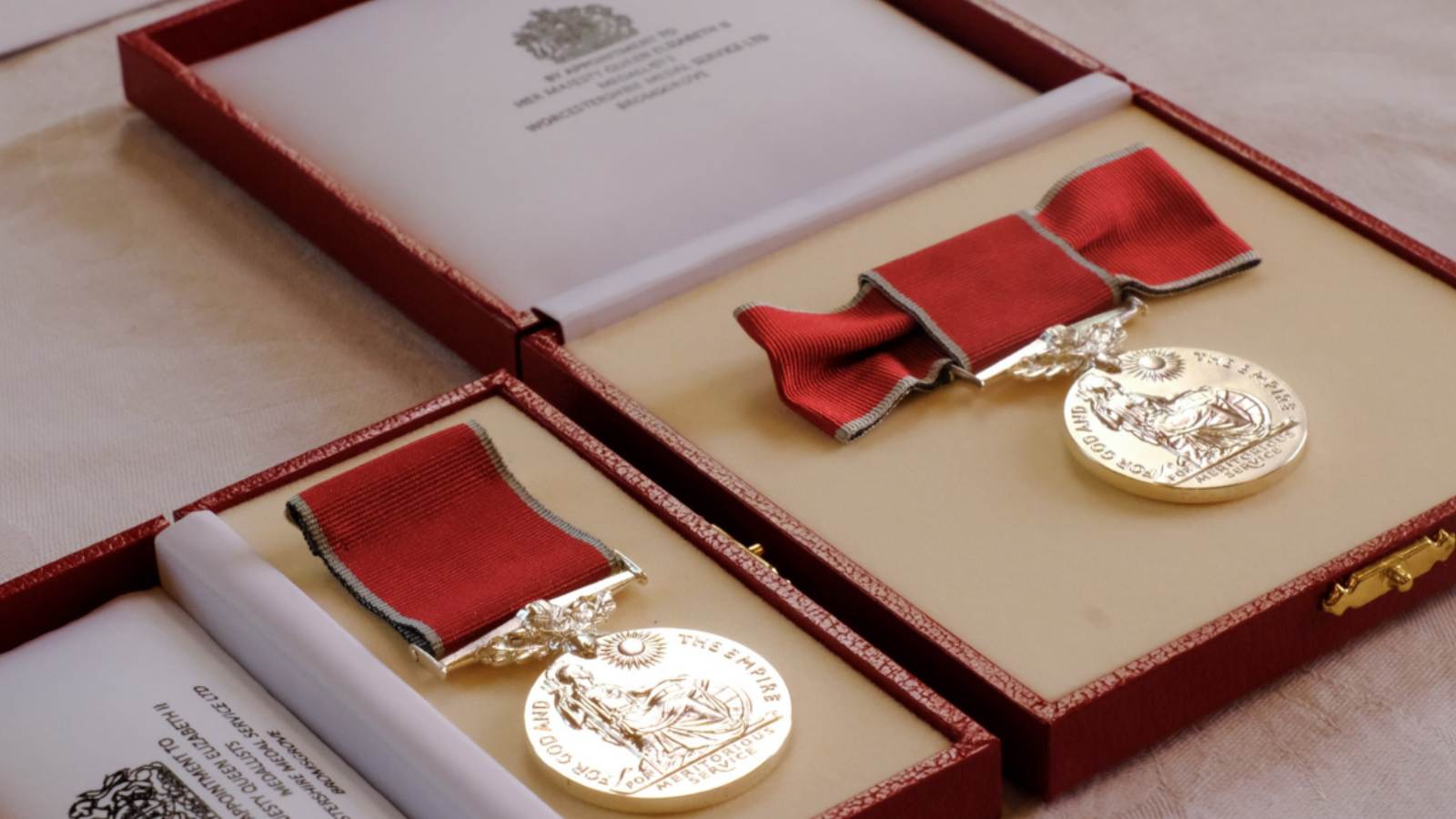
For more than a century, the British Empire Medal (BEM) has quietly celebrated the kind of service and sacrifice that often goes unheralded. In the 2025 New Year Honours, the stories behind the names paint a vivid portrait of everyday heroism, resilience, and the power of remembrance—reminding us that national recognition isn’t reserved for celebrities or headline-makers, but for anyone who steps up to serve others.
Take Mervyn Kersh, for instance. At 101, this north London D-Day veteran has seen history unfold from its darkest chapters. Honoured with the BEM for his tireless school talks on Holocaust remembrance and his wartime service, Kersh’s reflections strike a somber chord. He recalls arriving in Normandy just days after the Allied landings, serving as a technical clerk with the Royal Army Ordnance Corps, and later witnessing the liberation of Bergen-Belsen. For him, receiving the BEM was deeply meaningful—likened to France’s Legion d’honneur, but more poignant for being a tribute from his own country. Yet Kersh’s acceptance speech was more than gratitude. He voiced disappointment with contemporary Britain, warning that rising antisemitism and the lessons of history risk being forgotten, and likening today’s leaders to those whose appeasement failed in the 1930s. “We’ve got to defend, that’s the first concern,” he insists, underscoring the role of remembrance as both shield and compass for society. (Independent, Yahoo News)
But the BEM is not only about the past—it’s also about those shaping the present. In Northern Ireland, Yvonne Carson’s work tackling loneliness has been recognised with a British Empire Medal. Her initiatives have led countless people to form life-saving connections, especially in communities where isolation remains a silent crisis. Carson’s story exemplifies how quiet, persistent activism can transform lives, often without fanfare but with profound impact. (BBC News)
Grassroots service is a recurring theme among this year’s honourees. In the West Midlands, Amy and Ryan Jackson turned personal tragedy into collective hope, founding the Lily Mae Foundation after losing their daughter to stillbirth. Their charity provides emotional support and memory boxes to grieving parents, making it “okay” to talk about loss and break the silence around baby bereavement. Their BEMs are testament to how personal pain can seed public healing, touching hundreds of families each year. The Jacksons’ story reminds us that, sometimes, the hardest moments can spark the most compassionate movements. (BBC News)
Other recipients hail from a wide spectrum of roles—security guards, health workers, council staff, and community volunteers—each recognised for service that rarely makes headlines but is essential to the fabric of everyday life. Niree McMorris, deputy mayor of Derry City and Strabane, received the BEM for her work in supporting the community of Londonderry. Her reaction was one of genuine shock and delight, reflecting the often unexpected nature of such honours. Many recipients speak of the award as belonging not just to themselves but to their teams, volunteers, and families—a sentiment echoed by construction founder Desmond Scott and Victim Support NI chief Janice Bunting, both recognised for leadership and collective effort.
The BEM’s reach is broad. Among the oldest recipients in Northern Ireland is Florence Victoria Methven, 82, awarded for decades of voluntary service to the NSPCC and local community—a reminder that dedication knows no age limit. Meanwhile, others like Sally Bridge and Sandra Crowder have been recognised for championing equality, inclusion, and care for vulnerable children through adoption and fostering.
These stories reflect the evolving nature of British honours, which have steadily shifted towards celebrating unsung contributions—those that knit communities together, uphold dignity, and preserve hard-won freedoms. The BEM itself sits alongside higher distinctions such as the MBE, OBE, and CBE, but its ethos is distinctive: it’s for those whose impact is measured in lives touched rather than in public acclaim.
Recipients often describe the recognition as both humbling and “unexpected.” Elizabeth Hamilton, Stormont Castle’s security guard for 24 years, shared how her role involves not just protecting a building, but welcoming visitors from all over the world—her MBE, awarded alongside the BEMs, is a tribute to steadfast service in a job that’s more about people than protocol.
The British Empire Medal’s enduring relevance lies in its ability to shine a light on the overlooked corners of society. In 2025, it’s clear that the fabric of Britain’s honours system is woven from stories of courage, compassion, and quiet perseverance. Whether it’s a veteran carrying the weight of memory, a charity founder comforting the bereaved, or a local activist forging bonds against loneliness, the BEM stands as a beacon for the kind of service that sustains communities and shapes futures.
The 2025 British Empire Medal recipients remind us that heroism comes in many forms—sometimes in battle, sometimes in healing, sometimes in simply showing up for those who need help most. Recognition may be rare, but the impact of these everyday heroes endures long after the medals are awarded.