
Quick Read
- Bruce Springsteen’s 1982 album Nebraska was recorded at home during a period of depression.
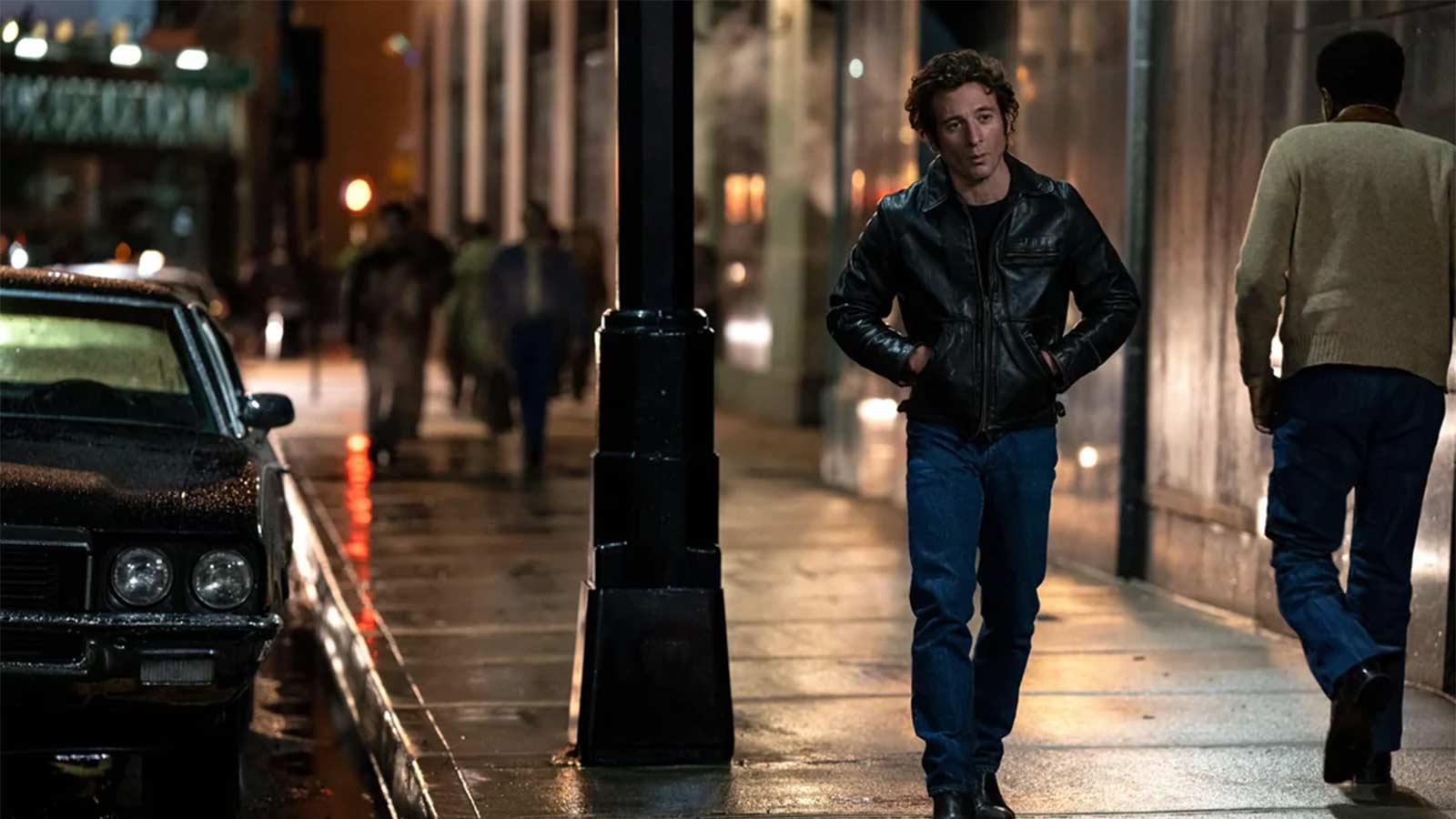
- The upcoming film ‘Deliver Me from Nowhere’ stars Jeremy Allen White as Springsteen.
- Springsteen actively participated in the film’s development, ensuring authenticity.
- The Asbury Hotel in New Jersey now offers a Bruce Springsteen-themed suite.
- Nebraska is cited as a major influence on indie and lo-fi music.
Springsteen’s Reluctance, Nebraska’s Influence
For decades, Bruce Springsteen was famously hesitant about seeing his life turned into a Hollywood spectacle. The rock legend, known as ‘The Boss,’ had dismissed countless overtures since 1986. Yet in 2023, director Scott Cooper and writer Warren Zanes found themselves sitting in Springsteen’s New Jersey home, a place where stories and sound have always intertwined. What changed? The screenplay wasn’t a standard biography. Instead, it drew inspiration from Zanes’ book Deliver Me from Nowhere, a forensic dive into the making of Nebraska—a stark, haunting record that Springsteen crafted alone, battling inner demons and familial ghosts. (The Guardian)
Released in 1982, Nebraska was a sharp left turn for Springsteen. It followed the success of The River and preceded the chart-topping Born in the USA. The album’s raw, lo-fi tracks were recorded in Springsteen’s bedroom, echoing the pain and isolation he felt at the time. Its themes wandered through the shadowy tales of Charles Starkweather, mobster Philip Testa, and the strained relationship Springsteen had with his father, whose schizophrenia was diagnosed only later. The sound, at times, was less heartland rock and more reminiscent of the provocative electronic punk of Suicide.
Springsteen’s manager, Jon Landau, was initially so concerned by the album’s bleak tone that he recommended psychiatric help. Springsteen obliged but refused to promote Nebraska—no interviews, no tour. Yet, the album found its audience, landing in the top five on both sides of the Atlantic.
Turning Nebraska into Cinema: Authenticity and Anxiety
Adapting Nebraska for film presented unique challenges. How do you make the silence of a man alone in his bedroom cinematic? Cooper, a lifelong Springsteen fan, knew the emotional terrain well, often listening to Nebraska while scripting movies about men wrestling with pain and isolation. Now he was reading his screenplay aloud in front of Springsteen and Landau, both cinephiles and critics in their own right. After a tense session marked by note-taking and corrections, Springsteen embraced Cooper, signaling the start of an unlikely collaboration.
Springsteen’s involvement didn’t end with his approval. Unlike other music icons, he actively participated in the film’s development—visiting sets, sharing sandwiches, and ensuring every detail rang true. Odessa Young, cast as Springsteen’s fictional love interest, recalls the thrill of sharing the stage with her musical hero at the legendary Stone Pony club in Asbury Park.
Jeremy Allen White: Embodying The Boss
Cast as Springsteen, Jeremy Allen White faced a daunting task: not only mastering the guitar and Springsteen’s gritty vocals, but embodying a living legend—sometimes with Springsteen watching. White, who rose to fame with The Bear, immersed himself in music lessons, battling doubts about his ability to pull it off. He describes the pressure of portraying someone so beloved as almost paralyzing, until he found a way to approach the role as a young musician on the edge of stardom, wrestling with family, inspiration, and uncertainty.
Springsteen’s presence on set was quiet but supportive. He rarely spoke to White directly, instead offering feedback through evening texts, highlighting subtle gestures and moments that felt true to his experience. The emotional weight of those interactions was profound, with both men feeling the fragility of revisiting old wounds and memories.
Ultimately, White’s performance has drawn critical acclaim and Oscar buzz. The film, much like Nebraska itself, is a period piece—rooted in the early 1980s, a time when the music industry was pivoting to digital formats and MTV. Nebraska’s rough sound and minimalist visuals were a counterpoint to the era’s gloss and hype.
Legacy Beyond the Studio: From Hotel Suite to Indie Rock
Nebraska’s influence stretches far beyond its original release. Zanes calls it “the big bang of indie rock,” a blueprint for lo-fi, DIY music-making that inspired generations—from Pavement to Bon Iver. The album’s imperfections, its refusal to polish away the truth, resonate in a world increasingly obsessed with digital perfection. As Zanes observes, Nebraska’s honesty—its willingness to go out the door less than perfect—feels more urgent than ever in 2025.
Springsteen’s legacy is also celebrated in Asbury Park, the town whose musical revival owes much to his mythos. The Asbury Hotel now features The Boss Suite, an immersive tribute designed with photographer Danny Clinch. Guests are greeted by iconic images, a mural from a recent Sea. Hear. Now concert, and a curated vinyl collection. Even the food pays homage, with Springsteen’s favorite late-night PB&J sandwich and a complimentary Tenth Avenue Freeze-Out cocktail at the hotel’s Soundbooth bar. (People)
This suite is more than a fan experience—it’s a nod to Asbury Park’s transformation, where music helped restore a faded seaside town. Rates start at $295, offering fans a chance to walk the boardwalk and savor the spirit of Springsteen’s songs.
Rock Milestones and the Power of Imperfection
Springsteen’s story is woven into the larger tapestry of rock history. On October 3, 1980, he and the E Street Band kicked off The River Tour in Ann Arbor, Michigan, marking another key moment in his evolution as a performer. This date also marks milestones for other legends—Elvis Presley’s first public performance, Lindsey Buckingham’s birthday, and Stevie Ray Vaughan’s birth. (Rock929)
As the film and hotel suite celebrate Nebraska’s legacy, the album’s central message feels newly relevant. In an age of autotuned voices and algorithmic perfection, Nebraska stands as a reminder that imperfection can be beautiful—and human.
Springsteen’s Nebraska isn’t just a relic of the past; it’s a living lesson in vulnerability, authenticity, and the courage to embrace one’s flaws. The new film, immersive hotel suite, and continued cultural reverberations all point to a simple truth: sometimes, the bravest thing an artist can do is to let the world see them as they truly are—unvarnished, uncertain, and profoundly human.