
Quick Read
- A South Lake Tahoe resident tested positive for bubonic plague after a camping trip.
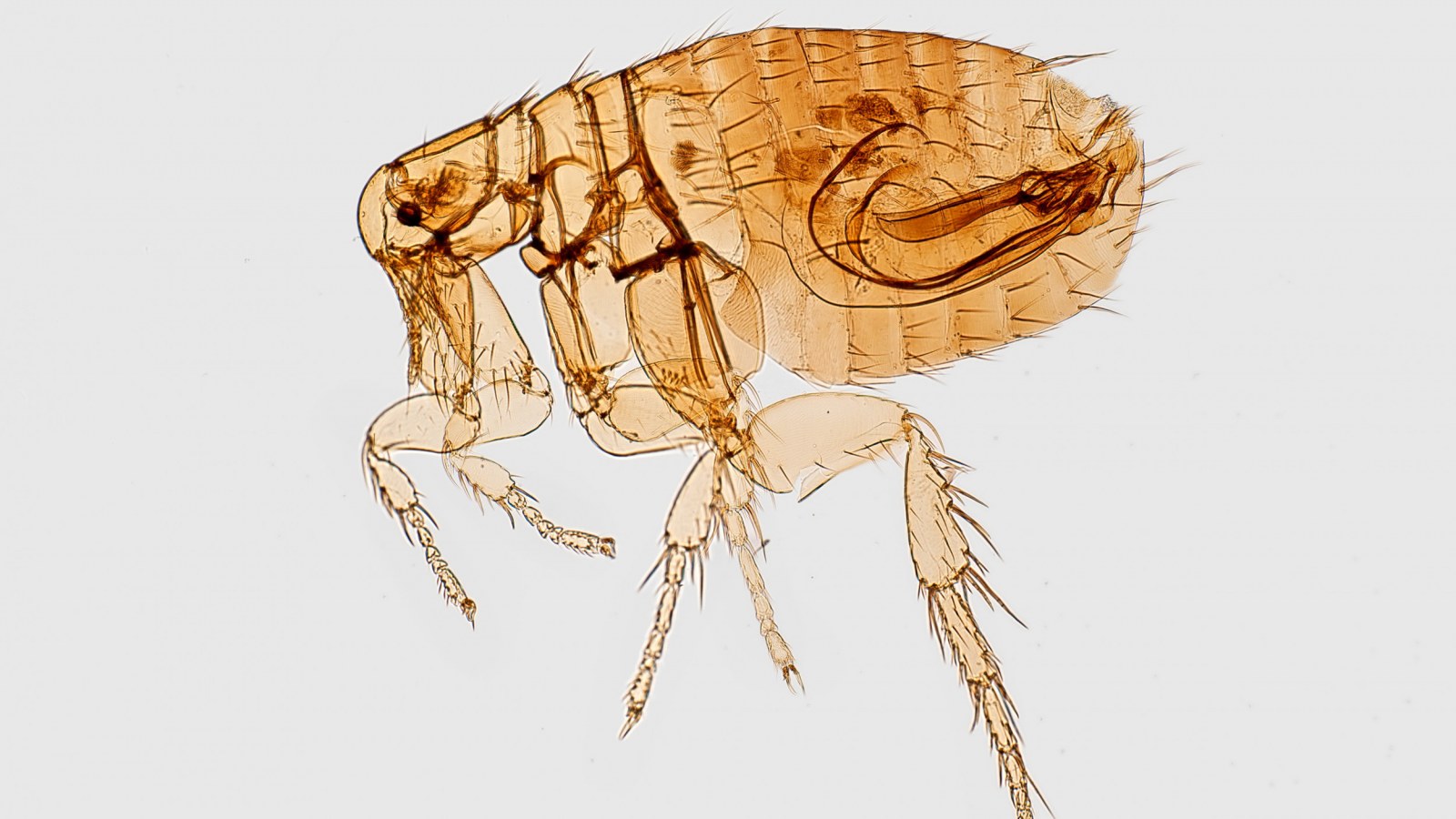
- The disease is caused by the bacterium Yersinia pestis and is spread by fleas from rodents.
- While rare, the disease is treatable with early diagnosis and antibiotics.
- Health officials urge outdoor enthusiasts to take precautions to avoid exposure.
- Surveillance efforts show plague is present in certain parts of California.
The recent confirmation of a bubonic plague case in South Lake Tahoe, California, has reignited concerns about the presence of this rare but potentially deadly disease in the United States. Health officials from El Dorado County announced that the patient, who contracted the illness during a camping trip, is now recovering under medical supervision. The incident underscores the need for vigilance among outdoor enthusiasts, particularly those visiting areas where wild rodents and fleas are common.
Understanding the Disease
The bubonic plague, caused by the bacterium Yersinia pestis, is a disease historically associated with devastating pandemics, such as the infamous “Black Death” that swept through Europe in the 14th century. While modern medical advancements have significantly reduced its impact, the disease remains a public health concern in certain parts of the world, including the western United States. The Centers for Disease Control and Prevention (CDC) reports an average of seven human cases annually in the country, predominantly in regions like northern New Mexico, Arizona, Colorado, and California.
Symptoms of the plague typically manifest within two weeks of exposure and include fever, nausea, weakness, and swollen lymph nodes. When treated promptly with antibiotics, the disease is curable. However, if left untreated, it can lead to severe complications or even death.
How the Infection Occurred
According to the California Department of Public Health (CDPH), the South Lake Tahoe resident likely contracted the plague after being bitten by an infected flea during a camping trip in the Tahoe Basin. Fleas carrying the bacteria often acquire it from wild rodents such as squirrels and chipmunks. Pets, particularly dogs and cats, can also carry infected fleas into homes, increasing the risk of human exposure.
Kyle Fliflet, the acting director of public health in El Dorado County, emphasized the importance of taking precautions in areas where the plague is naturally present. “Plague is naturally present in many parts of California, including higher-elevation areas of El Dorado County. It’s important that individuals take precautions for themselves and their pets when outdoors, especially while walking, hiking, and camping in areas where wild rodents are present,” Fliflet stated.
Prevention Measures and Public Awareness
Health officials have issued guidelines to help residents and visitors minimize the risk of exposure. These include avoiding contact with wild rodents, keeping pets away from rodent burrows, and using flea control products on animals. Additionally, people are advised to report any sightings of sick or dead rodents to local health authorities.
Surveillance efforts by the CDPH have revealed the presence of plague bacteria in rodents over the years. Between 2021 and 2024, 41 rodents in the Tahoe Basin tested positive for exposure to Yersinia pestis. This year alone, four rodents have been found carrying the bacterium in the same region, further highlighting the need for ongoing monitoring and public education.
Historical Context and Modern Implications
The plague was first introduced to the United States in the early 20th century via rat-infested ships, leading to outbreaks in port cities. The last urban epidemic occurred in Los Angeles in 1924. Today, cases are typically sporadic and confined to rural areas, yet the disease’s potential to cause severe illness makes it a priority for public health agencies.
While the likelihood of a widespread outbreak is low, the recent case in California serves as a reminder of the importance of early diagnosis and treatment. Health officials are urging individuals to seek medical attention if they experience symptoms consistent with the plague after potential exposure.
This incident highlights the delicate balance between enjoying nature and remaining vigilant against health risks. As outdoor activities continue to grow in popularity, public health education will play a crucial role in preventing similar cases in the future.