
Quick Read
- BYD unveiled 13 new electric and hybrid models at the 2025 Japan Mobility Show, including the Sealion Mini EV.
- The Sealion Mini EV targets Japan’s compact car segment, offering a driving range over 300 km and lower prices than Japanese competitors.
- Japanese automakers are responding with new electric models and faster EV development plans.
- BYD has expanded its dealership network in Japan and is investing in fast-charging infrastructure.
- Industry experts foresee increased collaboration and competition between Chinese and Japanese manufacturers.
BYD’s Strategic Entry: Disrupting Japan’s Compact Car Market
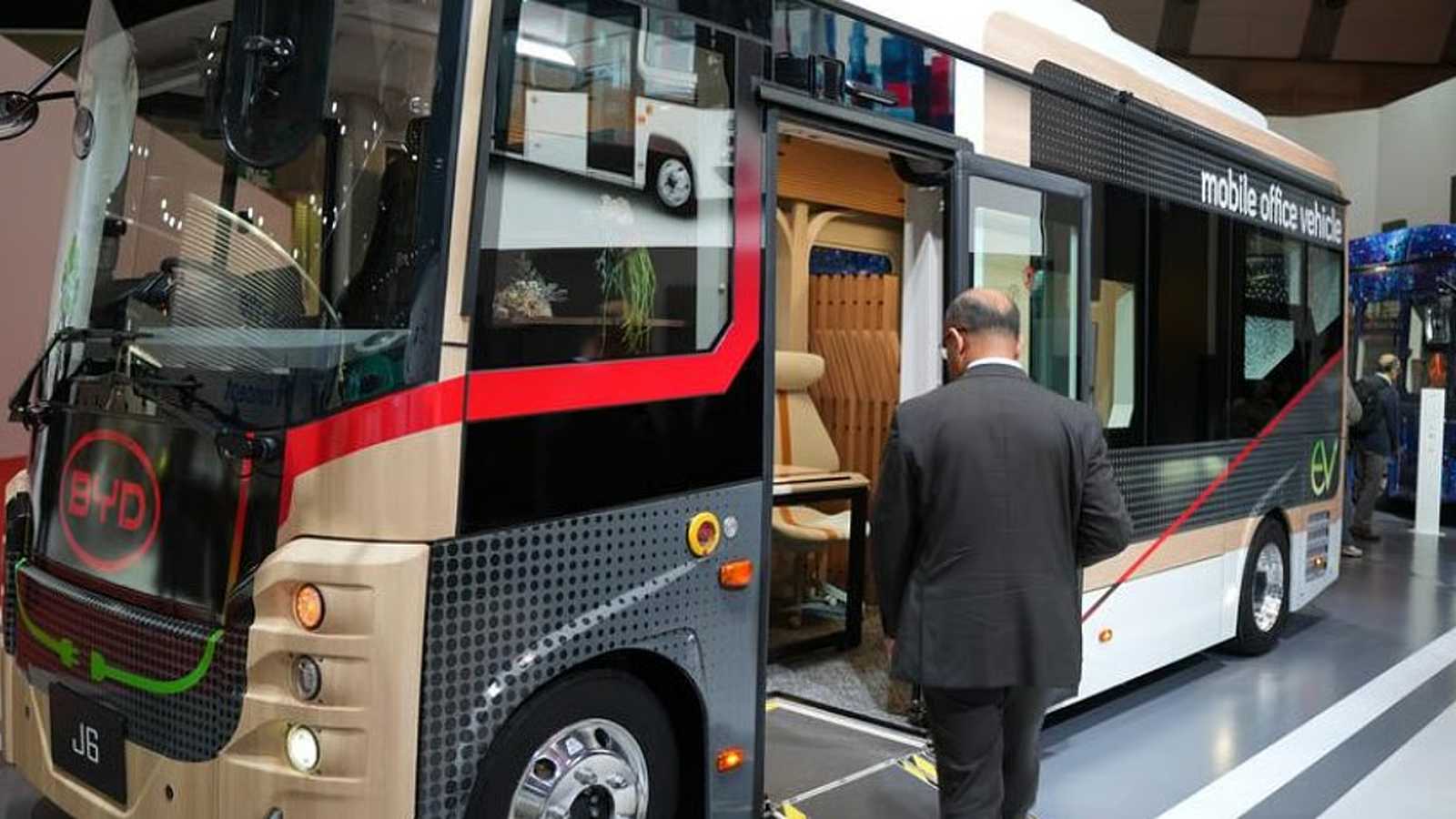
At the heart of Japan’s bustling automotive sector, a seismic shift is underway. Chinese electric vehicle giant BYD has set its sights on the nation’s compact car stronghold—a market long dominated by local titans such as Suzuki, Nissan, and Honda. The stage for this disruption was the 2025 Japan Mobility Show, where BYD unveiled an impressive lineup of 13 new energy vehicles (NEVs), including the compact all-electric Sealion Mini EV, the plug-in hybrid Sealion 06DM-i, and the popular ATTO 3 SUV. Notably, BYD also introduced two commercial vehicles—the T35 small electric truck and the K8 large electric bus—marking their global debuts.
The Sealion Mini EV, tailored for Japan’s lightweight car segment, has become the talk of the industry. With a driving range projected to exceed 300 kilometers, it outpaces current domestic competitors like Nissan’s Sakura, which offers about half that distance. Even more striking is BYD’s aggressive pricing: the new models are expected to cost 20 to 30 percent less than their Japanese equivalents, making them highly attractive to budget-conscious consumers.
Consumer Preferences and the Electrification Challenge
Japan’s compact car segment—especially kei cars—accounts for roughly 1.7 million units annually, forming the backbone of the country’s passenger car market. Yet, despite global trends toward electrification, Japanese consumers remain cautious. In 2024, battery-electric and plug-in hybrid vehicles made up just 2.6 percent of new car sales, a figure forecast to rise only modestly in 2025. This sluggish adoption is shaped by two main factors: deep-rooted loyalty to domestic brands and the continued prevalence of gasoline-powered vehicles.
BYD, however, is not deterred. The automaker has opened more than 60 dealerships across Japan, with plans to surpass 80 by the end of the year. Recognizing local preferences, BYD is tailoring its product mix, focusing on compact EVs and hybrids, and investing in fast-charging infrastructure compatible with existing Japanese networks. This strategy reflects a nuanced understanding of both consumer habits and logistical realities—a move that could turn cautious buyers into early adopters.
Industry Response: Japanese Brands Adapt and Accelerate
The arrival of BYD and other Chinese manufacturers has sent ripples through Japan’s automotive establishment. Honda responded by debuting six new electric models, including the N-ONE e: designed for the compact segment. Nissan showcased a solar panel-equipped Sakura, aiming to extend its range, while Suzuki unveiled the Vision e-Sky, its own compact EV slated for release in fiscal 2026.
Suzuki president Toshihiro Suzuki described BYD’s entry as “a catalyst” for the popularization of small electric cars, signaling a new phase of competition and innovation. The message is clear: Japan’s automakers are accelerating their EV strategies, determined not to cede ground in a market they have long dominated.
Collaboration and Competition: A Global Perspective
While the immediate narrative is one of rivalry, industry experts see potential for collaboration. Tang Jin, senior researcher at Mizuho Bank, highlights the opportunity for technological and capital cooperation between China and Japan, especially in materials, components, and advanced manufacturing. Japanese suppliers, with decades of research experience, can complement China’s rapid innovation and scale. “As Chinese electric vehicles go global, technological and capital cooperation between the two countries can create mutual benefits and a genuine win-win scenario,” Tang noted in an interview with Xinhua.
BYD’s approach in Japan may serve as a blueprint for future cross-border partnerships, blending Chinese manufacturing agility with Japanese engineering precision. Meanwhile, other Chinese brands, such as Geely’s premium EV marque Zeekr, are preparing to enter Japan through local distribution partners, further intensifying the competitive landscape.
The Road Ahead: Consumer Impact and Industry Transformation
For Japanese consumers, the rise of affordable, long-range EVs presents a genuine alternative to traditional gasoline vehicles. If BYD’s market strategy proves successful, it could accelerate Japan’s transition toward electrification, bridging the gap between cautious buyers and cutting-edge technology. The expansion of dealership networks and charging infrastructure will be critical to building trust and convenience.
For domestic automakers, the challenge is twofold: adapt rapidly to the changing market or risk losing relevance. The next few years will test whether Japan’s established automotive giants can match the pace of Chinese innovation while retaining their loyal customer base.
BYD’s entry into Japan’s compact car market is more than a business maneuver—it is a litmus test for the future of mobility in one of the world’s most tradition-bound automotive sectors. By bringing affordable, high-performance EVs to the mainstream, BYD may not only disrupt the status quo but also catalyze a broader transformation in consumer habits and industry strategy. The outcome will shape the next era of competition, collaboration, and innovation in global electric mobility.