
Quick Read
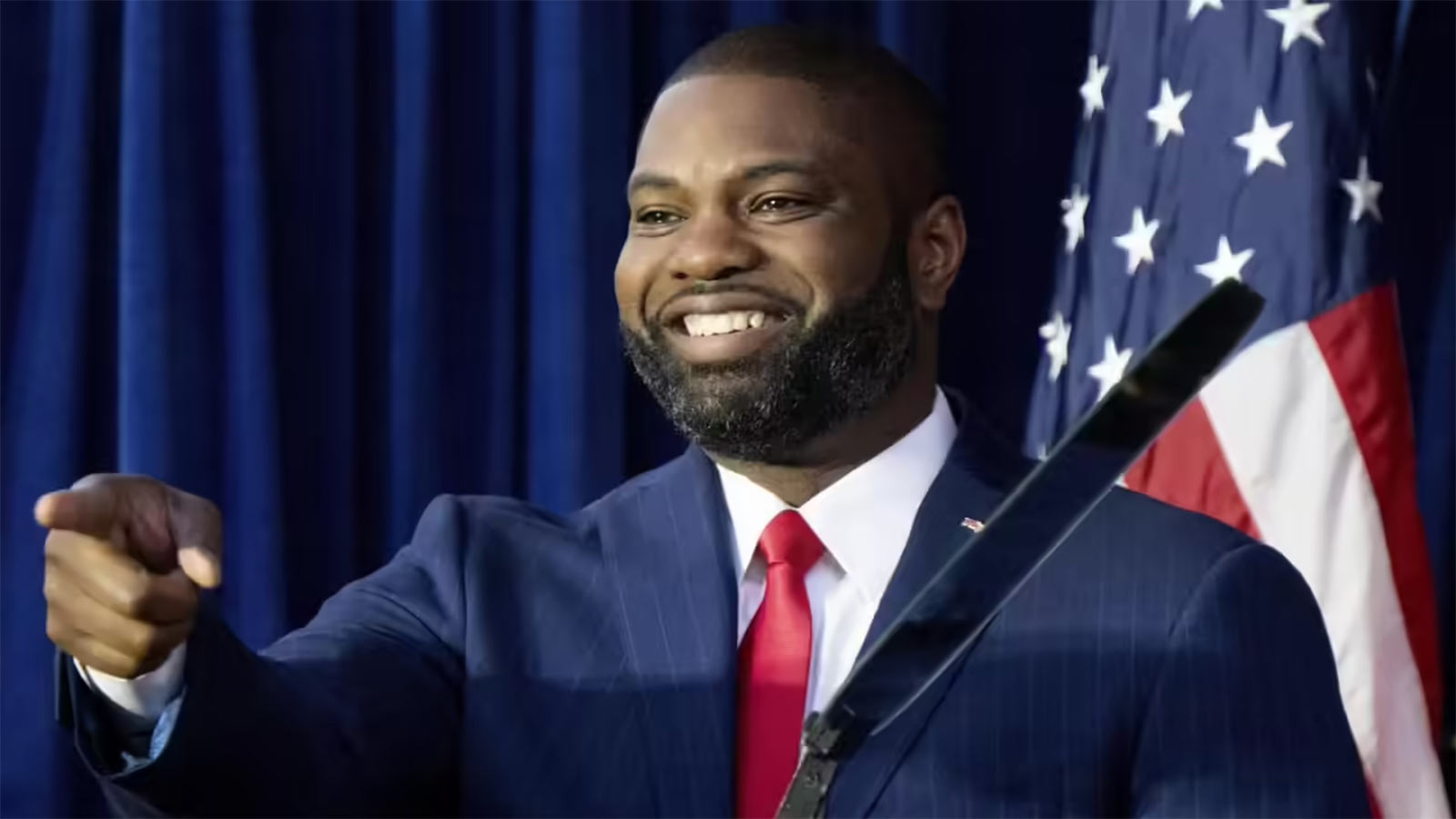
- Byron Donalds, endorsed by Donald Trump, leads Florida’s 2026 Republican gubernatorial primary.
- Polls show Donalds with over 40% support; James Fishback and other challengers trail far behind.
- Fishback’s campaign focuses on AI data centers, property taxes, and immigration, sparking controversy.
- Fishback has accused Donalds of being beholden to corporate interests, drawing criticism.
- Prediction markets and political analysts see Donalds as the overwhelming favorite to win.
Trump’s Endorsement Propels Byron Donalds to the Forefront
As Florida gears up for its 2026 gubernatorial election, Congressman Byron Donalds stands as the clear frontrunner in the Republican primary, buoyed by a high-profile endorsement from President $1 Trump. Recent polling by Victory Insights and The American Promise consistently places Donalds well ahead of his rivals, with nearly half of Republican voters still undecided but Donalds commanding between 43 and 45 percent support. His closest competitors, including investor James Fishback and former state legislator Paul Renner, trail far behind, each struggling to gain traction in a field dominated by Donalds’ name recognition and political backing.
Trump’s support for Donalds is more than symbolic; it’s a powerful signal to Florida’s increasingly conservative electorate. The state, once a battleground, has shifted rightward over the past decade, with Trump winning it in three consecutive presidential elections and the Republican base energized by a wave of new retirees and Hispanic voters. As Ron DeSantis exits the governor’s office due to term limits, the stakes have only grown.
James Fishback’s Challenge: Policy Differences and Rhetoric
James Fishback, CEO of Azoria and a 30-year-old investor from Florida’s Panhandle, officially launched his campaign with promises to make life “more affordable” for Floridians. Fishback’s platform is sharply critical of both Donalds and the state’s recent direction under DeSantis. He has zeroed in on issues like AI data centers, property taxes, and H-1B visas, arguing that Donalds’ pro-tech agenda threatens Florida’s natural environment and affordability.
Fishback’s opposition to AI data centers is particularly pointed. “It’s not left versus right. It’s right versus wrong,” he told Newsweek, warning that large AI facilities could spike electricity costs and imperil Florida’s aquifers and springs. While Donalds sees AI investment as a pathway to economic growth, Fishback paints it as an existential threat to the state’s landscape and residents’ wallets.
On immigration and labor, Fishback has adopted a hardline stance, vowing to repeal H-1B visas and sharply curtail legal immigration. He claims these policies will protect American jobs but has been accused by critics of veering into nativist territory. Internally, Fishback’s campaign insists the race is much closer than public polls suggest, though no internal data has been released.
Race, Rhetoric, and Identity Politics
The campaign has not shied from controversy. Fishback’s rhetoric, particularly his characterization of Donalds as a “slave” to corporate interests during a press event, drew immediate scrutiny—especially considering Donalds’ status as one of only five Black Republicans in Congress. Fishback’s comments invoked Florida’s fraught history with slavery, while simultaneously dismissing race as a factor in his campaign.
Donalds, for his part, has tried to steer the conversation toward his conservative credentials and Trump’s backing. His campaign quickly labeled Fishback a “RINO” (Republican in name only), asserting, “Whoever runs against [Donalds] is an anti-Trump RINO and will be crushed in the primary.” The language reflects the wider dynamic in Florida’s GOP: loyalty to Trump is paramount, and deviation is swiftly rebuked.
Fishback, meanwhile, has attempted to harness online momentum and appeal to voters dissatisfied with the state’s affordability and overdevelopment. Yet, as pollster Ben Galbraith noted in Victory Insights, “Donalds is rolling steadily towards the Governor’s Mansion, with no other candidates achieving statistically significant relevance.”
Outlook: Can Anyone Catch Donalds?
Prediction markets like Kalshi currently assign Donalds a 76 percent chance of winning the primary, with Fishback languishing at 12 percent. The odds reflect not just polling numbers but also the entrenched dynamics of Florida’s Republican politics, where Trump’s endorsement and conservative bona fides are decisive.
Democratic contenders, including former Representative David Jolly and Orange County Mayor Jerry Demings, are present but largely overshadowed in a state now rated “Solid Republican” by the Cook Political Report and Sabato’s Crystal Ball. The coming months will see candidates ramp up their campaigns, but unless there is a seismic shift, Donalds appears set for a smooth path to the nomination.
The campaign’s intensity and charged rhetoric highlight how Florida’s politics have become a microcosm of broader national debates—over technology, immigration, and identity. As the race unfolds, questions linger: Will Fishback’s outsider message break through, or will Donalds’ establishment support prove insurmountable?
In sum, Byron Donalds’ early lead, bolstered by Trump’s endorsement and a solid conservative base, positions him as the dominant figure in Florida’s 2026 governor’s race. Despite James Fishback’s vocal and controversial campaign, the facts suggest Donalds is on track for victory—unless a major realignment upends the current landscape.