
Quick Read
- Canada’s boycott of U.S. stems from political tensions and tariffs.
- Tourism from Canada to the U.S. has dropped significantly, impacting local economies.
- American goods, especially spirits, face bans in Canadian provinces.
- Canadians demand respect and better diplomacy from the U.S. government.
- The boycott highlights the power of consumer sentiment in international relations.
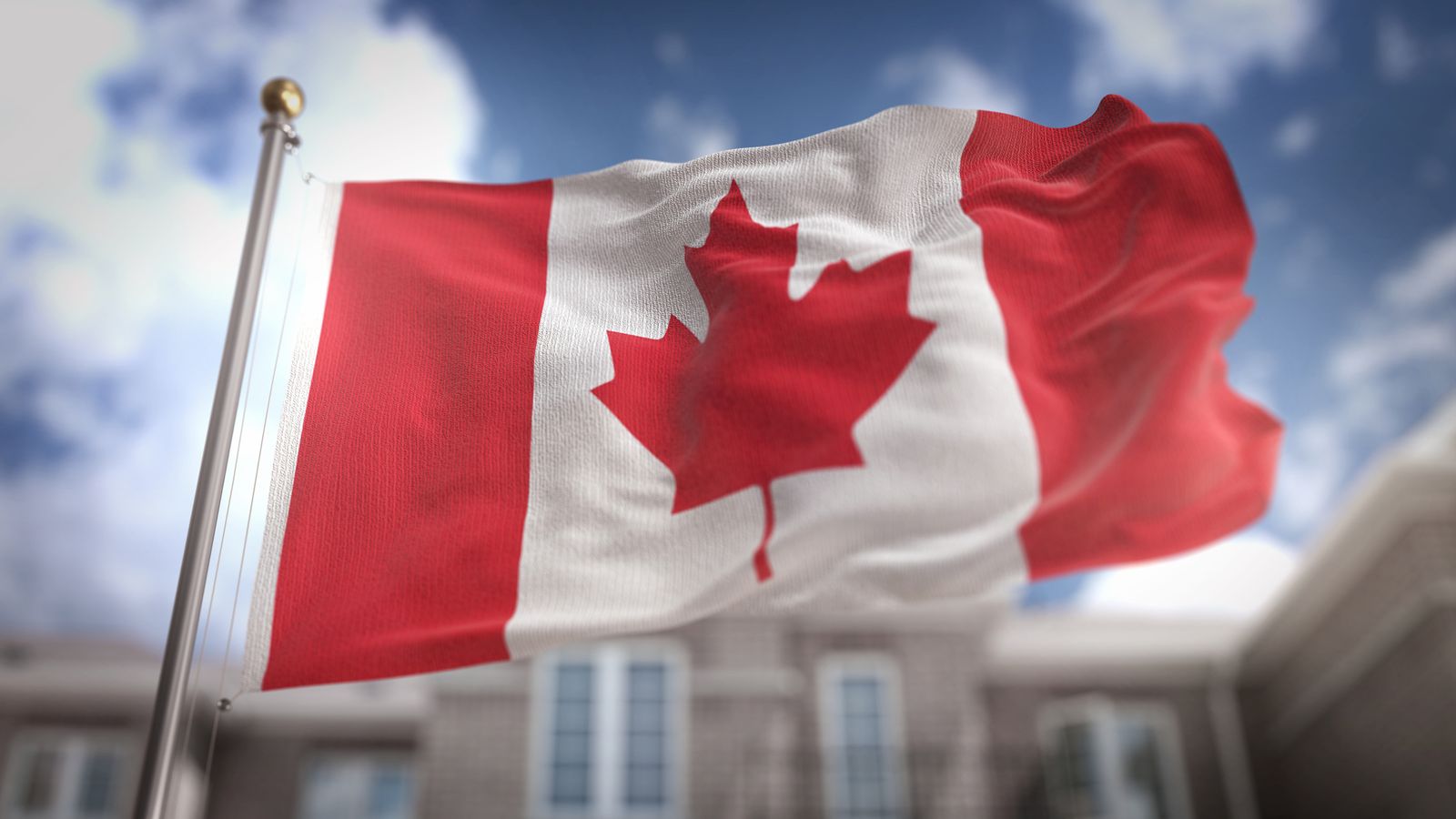
Canada’s boycott of the United States has emerged as a profound economic and cultural phenomenon, reshaping bilateral relations and affecting industries dependent on cross-border interactions. The roots of this boycott stem from political tensions, tariffs, and controversial rhetoric from the U.S. administration, which have prompted Canadians to reassess their relationship with their southern neighbor. The decision to abstain from American goods and travel is not merely an economic statement but a reflection of deeper sentiments tied to national identity and pride.
Origins of the Boycott
The Canada-U.S. relationship has historically been one of the most amicable and cooperative international partnerships. Sharing the world’s longest undefended border, the two nations have fostered extensive economic, cultural, and social ties. However, recent years have seen this relationship falter due to political disputes, particularly over tariffs imposed by the U.S. administration on Canadian exports. These tariffs, coupled with inflammatory remarks suggesting Canada could become the 51st state, sparked widespread outrage among Canadians. The boycott began as a grassroots movement but quickly gained momentum, driven by national pride and a desire to protest perceived disrespect.
Economic Impact on U.S. Industries
The boycott has had a tangible impact on American industries reliant on Canadian consumers. Tourism, a significant economic sector for states like Louisiana and New York, has faced severe downturns. Canadian visits to the U.S. by land and air have dropped by over 30%, leading to layoffs and reduced business hours in tourism-dependent regions. Louisiana, for instance, has seen cancellations for major cultural events like the Grand Réveil Acadien festival, which traditionally attracts numerous Canadian tourists.
Furthermore, the boycott has extended to American goods, particularly in the spirits industry. Many Canadian provinces have banned the sale of American-made whiskies and other alcoholic beverages, resulting in an 85% decline in exports of U.S. spirits to Canada. Distilleries that once thrived on Canadian markets are now grappling with lost revenue and uncertain futures.
Cultural and Diplomatic Ramifications
Beyond economics, the boycott underscores cultural and diplomatic challenges. Canadians have expressed dissatisfaction not only with tariffs but also with the tone of U.S. politics. The Trump administration’s aggressive rhetoric and border enforcement policies have created a perception among Canadians that they are unwelcome in the United States. This sentiment has led many to avoid travel altogether, citing concerns about detainment and invasive customs procedures.
Efforts to mend these strained relations have been sporadic and largely ineffective. Louisiana’s Lieutenant Governor Billy Nungesser, for example, traveled to Canada to promote tourism and seek reconciliation. His call for an apology from President Trump reflects the depth of discontent among Canadians and the urgency to restore trust. However, many Canadians remain steadfast in their decision to boycott, signaling that reparative measures might be insufficient without significant changes in U.S. policies and rhetoric.
The Boycott’s Broader Implications
The Canada-U.S. boycott serves as a case study in how political decisions can ripple through economies and societies. It highlights the interconnectedness of international relations and consumer behavior. The decline in Canadian tourism and imports not only affects American businesses but also strains cultural exchanges that have historically enriched both nations.
For Canada, the boycott is a statement of resilience and sovereignty. It demonstrates the power of collective action in influencing international dynamics. For the United States, it is a wake-up call to reconsider how political actions and statements impact its global reputation and economic partnerships.
Canada’s boycott of the United States is a multifaceted issue that underscores the importance of mutual respect and cooperation in international relations. Its impacts, both economic and cultural, serve as a reminder of the delicate balance required to maintain strong bilateral ties.