
Quick Read
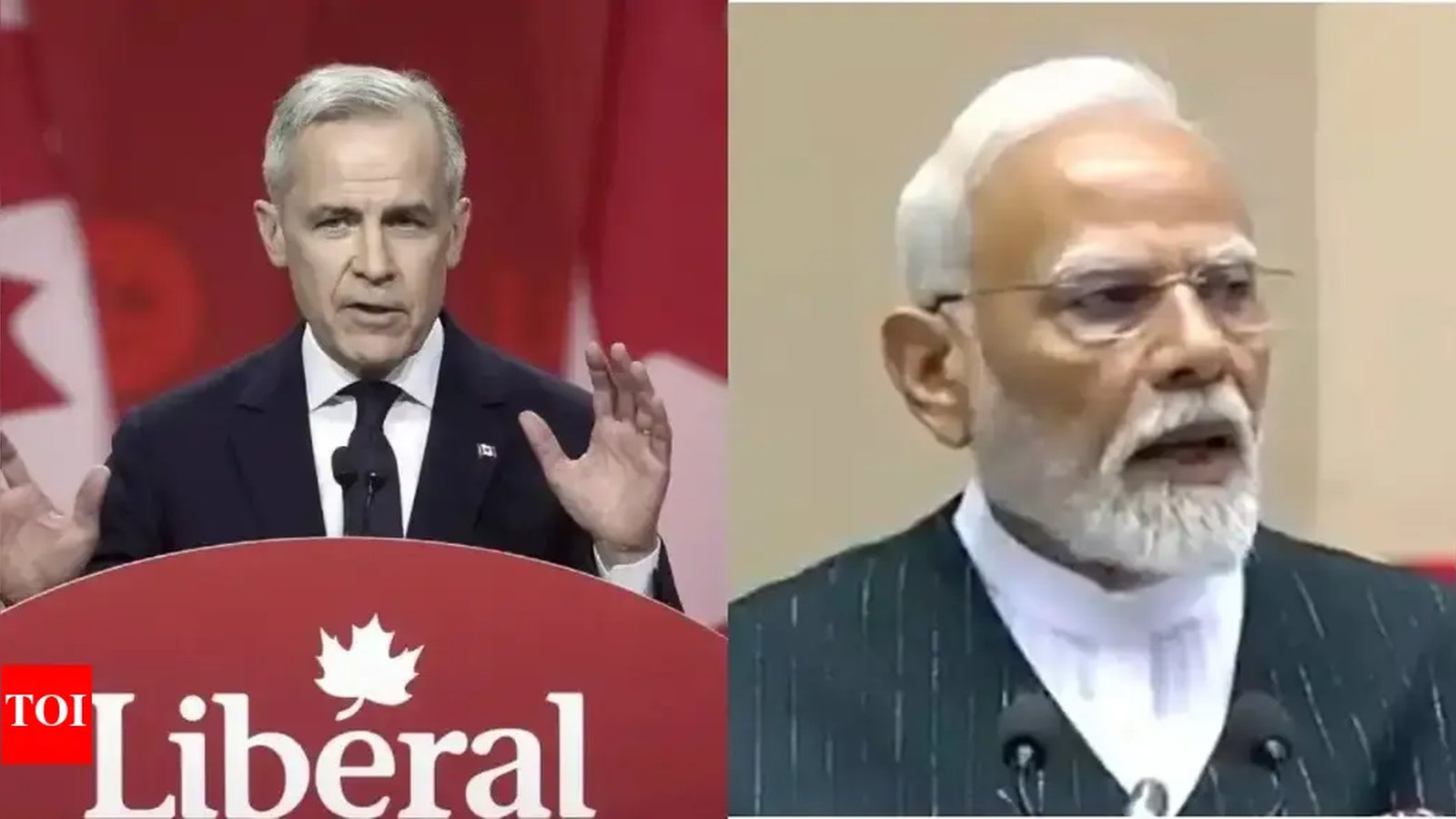
- Canadian PM Mark Carney extended a G7 Summit invitation to PM Modi.
- India’s economic importance and global role were cited as key reasons.
- The decision comes despite recent diplomatic tensions between the two nations.
- Other G7 nations pushed for India’s inclusion to discuss global issues.
- Both leaders aim to repair strained bilateral ties during the summit.
The upcoming G7 Summit in Kananaskis, Alberta, has drawn global attention, not least for the presence of Indian Prime Minister Narendra Modi. On June 6, Canadian Prime Minister Mark Carney, who chairs this year’s summit, officially extended the invitation to Modi, which will take place from June 15 to 17 in Kananaskis, Alberta, Canada. This decision comes against a backdrop of recent diplomatic strains between the two countries. Yet, Carney defended the move, emphasizing India’s critical role in global economics and geopolitics.
Canada’s rationale for inviting PM Modi
Mark Carney’s decision to invite PM Modi stems from India’s standing as the world’s fifth-largest economy and its position as one of the most populous countries. In an interview, Carney stated, “India is central to a number of global supply chains and is pivotal to addressing key economic and security issues.” He highlighted that having India at the table aligns with the G7’s broader objectives of engaging emerging global powers.
Notably, India has been invited to every G7 Summit since 2019, reflecting its growing influence on the international stage. This year, however, the invitation carried added weight, given the ongoing tensions following allegations made by Canada against India regarding the killing of Hardeep Singh Nijjar. While India has denied these allegations, the incident had cast a shadow over bilateral relations. Carney acknowledged the complexities but insisted that diplomacy must transcend such challenges to foster meaningful dialogue.
Pressure from other G7 nations
The invitation to PM Modi was not solely a Canadian initiative. Vina Nadjibulla, vice president of the Asia Pacific Foundation of Canada, noted that other G7 members strongly advocated for India’s inclusion. “France, the UK, and the US have been deepening their strategic partnerships with India, especially in areas like defense, technology, and trade. Canada, as the host, had to align with this collective push,” she explained.
Nadjibulla also emphasized that global diplomacy is not about engaging only with allies but about addressing mutual interests and shared values. “Hosting India at the G7 Summit reflects Canada’s intent to remain relevant on the world stage and contribute to broader global discussions,” she added.
Diplomatic tensions and efforts to rebuild ties
The invitation comes at a delicate time for Canada-India relations. In September, allegations by Canada regarding Nijjar’s killing had strained ties significantly, with both nations recalling their diplomats. However, both leaders appear committed to repairing the relationship. On November 12, Modi expressed gratitude to Carney for the invitation, stating on social media, “As vibrant democracies bound by deep people-to-people ties, India and Canada will work together with renewed vigor, guided by mutual respect and shared interests.”
According to a Canadian government readout, both nations have agreed to continue dialogues on law enforcement and security concerns, aiming to rebuild trust. While no major breakthroughs are expected during the summit, experts view it as a step toward re-establishing normalcy in bilateral ties.
Broader implications of India’s participation
India’s presence at the G7 Summit is seen as pivotal for addressing global challenges such as economic stability, climate change, and supply chain resilience. As an emerging global power, India’s perspective on these issues holds increasing weight. Additionally, Modi’s attendance signals India’s readiness to engage in multilateral discussions despite existing bilateral tensions with Canada.
For Canada, the decision to invite Modi underscores its willingness to engage with global powers while navigating domestic pressures. Khalistan separatist groups in Canada had reportedly lobbied against Modi’s participation, but Carney’s administration chose to prioritize broader strategic interests over domestic dissent.
Looking ahead, the summit presents an opportunity for both nations to reset their relationship while contributing to global discussions on shared challenges. As Carney noted, “Diplomacy is not a concession; it’s a necessary tool to advance our interests and defend our values.”
As the G7 Summit unfolds, the world will watch closely to see how this diplomatic balancing act plays out, both for Canada-India relations and for the broader global agenda.