
Quick Read
- Canary Islands added to the 2026 ‘No Travel List’ due to overtourism.
- Locals protest soaring housing prices and environmental degradation.
- Authorities consider capping tourist accommodations and stricter regulations.
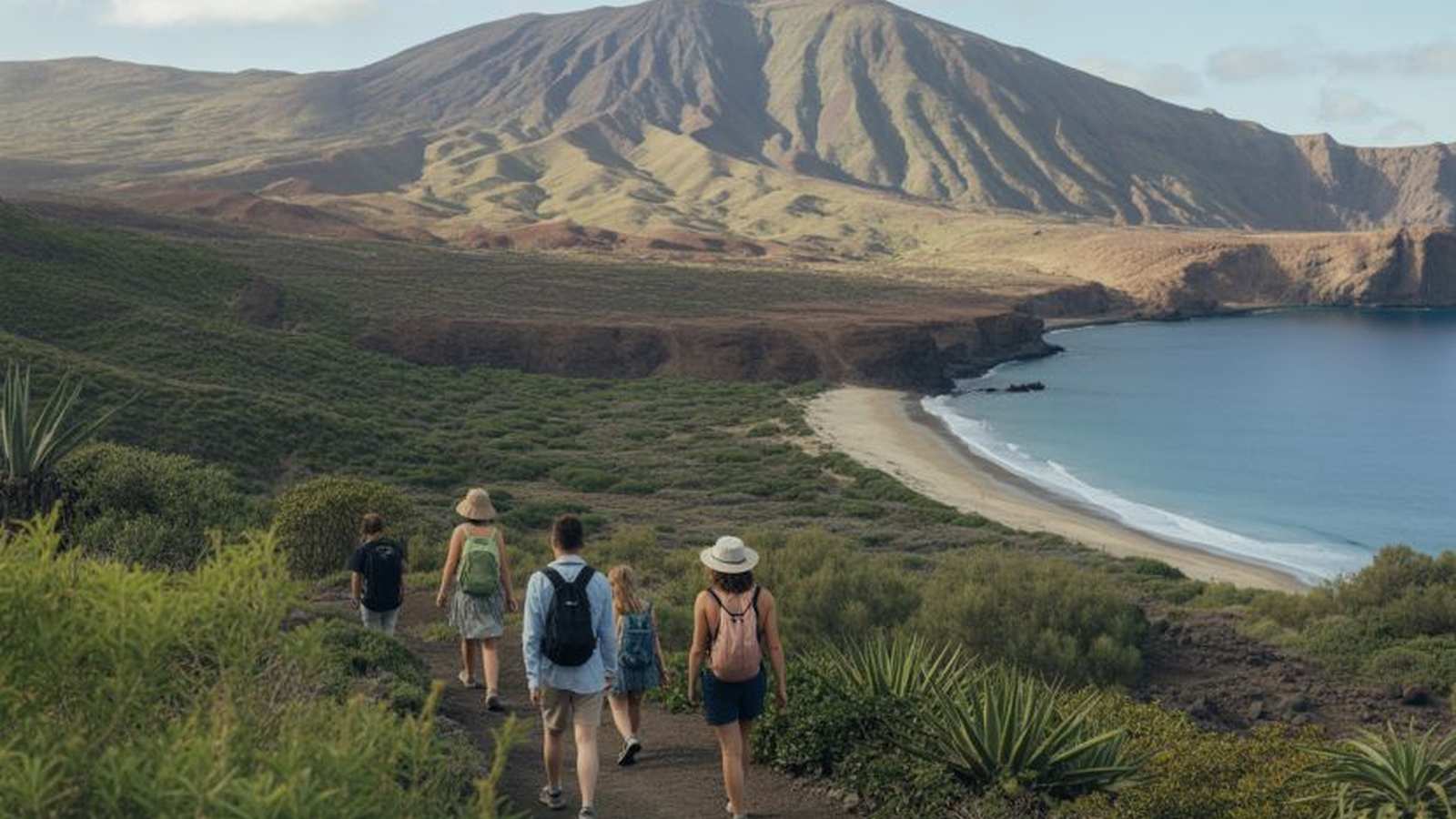
The Canary Islands, a sun-drenched archipelago off the northwest coast of Africa, have long been the stuff of travel dreams for Europeans. With their golden beaches, mild climate, and iconic resorts, destinations like Tenerife and Gran Canaria have attracted millions of visitors year after year. But in 2026, the islands find themselves at the center of a crisis that has forced travel guides and local authorities to sound the alarm: overtourism has reached a breaking point.
According to Travel and Tour World and Manchester Evening News, the Canary Islands have been placed on the 2026 ‘No Travel List,’ a move intended not as a boycott but as a wake-up call. The list, curated by Fodor’s Travel, identifies places suffering from ‘unsustainable pressures’—where the influx of tourists is damaging the environment, driving up housing costs, and straining local infrastructure. The Canary Islands, featured for the second consecutive year, are now emblematic of a global dilemma: how can beloved destinations survive the very popularity that made them famous?
For locals, the boom has come at a steep price. The surge in visitor numbers—7.8 million tourists and 27 million airport passengers in the first half of 2025 alone, a 5% increase over the previous year—has triggered a housing crisis in urban centers like Santa Cruz de Tenerife and Las Palmas de Gran Canaria. Traditional neighborhoods are being transformed into holiday rental zones, pushing residents out and sending property prices skyward. The frustration is palpable. Protests have swept across the islands, with graffiti and slogans calling for tourists to leave. While some argue that such displays are extreme, the underlying message is clear: communities are struggling to stay afloat.
What’s fueling this resentment? It’s not just about crowds or lost tranquility. Many locals feel that the economic benefits of tourism—while significant for the islands’ GDP—rarely trickle down to those most affected. Rising rents, traffic congestion, and pollution have become daily realities. Water scarcity and the intensifying effects of climate change further complicate the picture, leaving many to wonder: is this model sustainable?
Social media has amplified these tensions. Comments range from outright support for the travel ban to skepticism, with some travelers insisting the islands remain safe, affordable, and welcoming. Others recount disturbing experiences, such as encountering hostile graffiti. The divide between tourists and locals has never felt sharper.
The crisis isn’t limited to those arriving by plane. The islands have also become a critical waypoint for African migrants seeking passage to Europe. As reported by BBC News, a tragic incident off the coast of The Gambia in 2026 saw a boat bound for the Canary Islands capsize, leaving at least seven dead and dozens missing. Nearly 47,000 migrants reached the islands in 2024, but more than 9,000 have died trying, according to Caminando Fronteras. The perilous Atlantic crossing underscores the islands’ role as both a tourist haven and a last hope for migrants—and the humanitarian challenges that accompany it.
Local governments are now weighing reforms. Discussions center on capping the number of tourist accommodations, regulating holiday lets, and investing in green technologies. Teide National Park and other reserves are focal points for conservation, as authorities seek to preserve the very landscapes that draw visitors in the first place. For travelers, this means stricter rules, earlier bookings, and a need to respect local guidelines.
Sustainable tourism is no longer optional; it’s essential. The archipelago is urging tourists to reduce waste, opt for eco-friendly hotels, and be mindful of their impact. The challenge is to balance economic vitality with the preservation of fragile ecosystems and communities. The ‘No Travel List’ isn’t a permanent ban, but a pointed reminder that some places need a breather—a chance to recover, recalibrate, and rediscover what makes them unique.
So, what’s next for the Canary Islands? The answer isn’t simple. Authorities and residents are determined to find a way forward, one that allows tourism to thrive without sacrificing the islands’ character or sustainability. For travelers, the message is clear: adapt, respect, and contribute to a more responsible form of tourism.
The Canary Islands’ struggle is a stark illustration of the pressures facing tourist hotspots worldwide. Overtourism, if left unchecked, can erode the very qualities that make a place worth visiting. As 2026 unfolds, the islands stand as both a cautionary tale and a rallying point for sustainable travel practices. Only by balancing economic interests with community needs and environmental stewardship can destinations like the Canary Islands secure a future where tourism benefits all.