
Quick Read
- Multiple cases of canine parvovirus have been confirmed in Illawarra as of December 2025.
- Parvovirus is highly contagious, survives in the environment for years, and is especially deadly for puppies and unvaccinated dogs.
- Symptoms include vomiting (often bloody), diarrhoea, loss of appetite, weakness, and dehydration.
- No specific cure exists; early veterinary treatment and strict isolation are crucial.
- Humans cannot contract canine parvovirus, but owners must follow hygiene and vaccination protocols to protect pets.
Illawarra Faces Parvovirus Crisis: Why Dog Owners Can’t Afford to Ignore the Threat
The Illawarra region of New South Wales is in the grip of a canine parvovirus outbreak, with local animal welfare agencies sounding the alarm. As of mid-December 2025, the RSPCA NSW has confirmed multiple cases across suburbs including Warrawong, Figtree, Yallah, and Dapto, urging all dog owners to take immediate precautions to protect their pets from this deadly disease.
What Is Canine Parvovirus and How Does It Spread?
Parvovirus (commonly called ‘parvo’) is a highly contagious viral disease that targets dogs of all ages, but is especially lethal to puppies and unvaccinated animals. Unlike some diseases, parvo is stubbornly persistent—it can survive in the environment for months, even years, clinging to soil, surfaces, clothing, and objects. Just a trace of contaminated fecal matter—on shoes, paws, or toys—can carry the virus from one location to another, making public parks and grassy areas high-risk zones during an outbreak.
According to RSPCA NSW, the virus spreads through direct or indirect contact with the feces of infected dogs. Even after an infected animal leaves an area, the invisible threat remains. This environmental resilience is one reason why outbreaks can be so difficult to contain, and why vigilance is essential.
Recognizing the Symptoms: What Every Owner Should Watch For
Symptoms of parvovirus infection typically emerge 4–6 days after exposure but can sometimes take up to a week. The signs are distressing—and unmistakable:
- Severe vomiting (often tinged with blood)
- Diarrhoea (often bloody)
- Loss of appetite
- Lethargy and weakness
- Rapid dehydration
Behind the scenes, parvovirus attacks a dog’s bone marrow and the lining of the small intestine. This destructive process leaves animals vulnerable to shock and heart failure, often resulting in death if not treated swiftly. The course of illness can be brutal, with affected dogs facing a tough final stretch marked by gastrointestinal distress and profound weakness.
Immediate Action: What to Do If You Suspect Parvovirus
If your dog shows any symptoms listed above, time is of the essence. Early intervention dramatically improves survival odds. Here’s what you should do, as outlined by RSPCA NSW and veterinarians:
- Contact your vet immediately. Call ahead to alert them about possible parvo symptoms—this allows the clinic to prepare isolation protocols and protect other animals.
- Do not enter the clinic directly with a suspected case. Instead, wait in your car and follow staff instructions to limit environmental contamination.
There is, unfortunately, no specific cure for parvovirus. Treatment focuses on aggressive supportive care: intravenous fluids to combat dehydration, medication to control vomiting and diarrhea, and isolation to prevent further spread.
Prevention: Vaccination Is Key
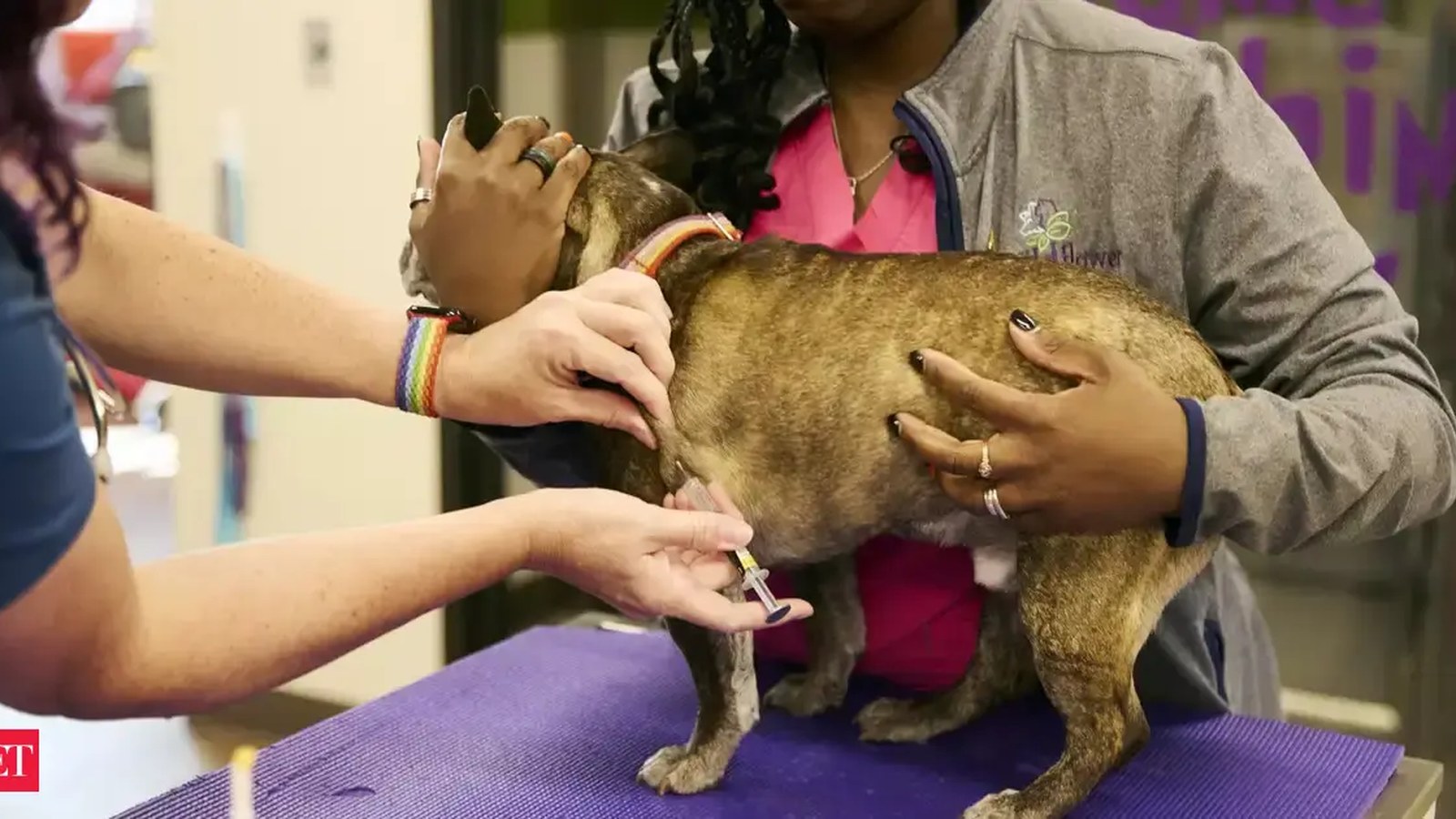
The most effective defense against parvovirus is vaccination. Puppies should receive a full primary course of C3 vaccinations, while adult dogs must stay up to date with boosters. During an outbreak, extra caution is warranted:
- Keep unvaccinated or partially vaccinated dogs away from public parks, grassy areas, and other dogs.
- After vaccination, avoid exposing dogs to others for at least 10 days to allow their immune system to respond.
These steps may seem restrictive, but they can save lives—especially when the virus is circulating in the community.
Cleaning and Disinfection: Stopping the Virus in Its Tracks
Given parvovirus’s tenacity, standard cleaning isn’t enough. Pet owners must dispose of contaminated bedding and toys, scrub surfaces thoroughly, and disinfect with a bleach solution (one cup bleach per bucket of water). Protective gloves are essential, and hands must be washed thoroughly after cleaning. If bleach isn’t suitable for some surfaces, consult your veterinarian for alternatives that kill the virus.
Isolation and Community Responsibility
When a dog is diagnosed with parvovirus, isolation is critical. Veterinarians treating affected dogs wear masks and protective gear to prevent carrying the virus to other animals. Owners must keep sick pets away from others until cleared by a professional. The RSPCA NSW has called on the entire Illawarra community to join in stopping the spread—because one owner’s vigilance can protect dozens of other pets.
Can Humans Catch Canine Parvovirus?
This is a common concern, but the answer is clear: humans cannot get canine parvovirus. The virus responsible for illness in dogs is distinct from human parvovirus B19, which mostly affects children and causes mild symptoms like rashes and joint pain. Dog owners should be careful about hygiene to prevent environmental spread, but there is no risk of contracting canine parvovirus themselves, according to The Week and the Mayo Clinic.
Why This Outbreak Matters—and What Comes Next
For Illawarra’s pet owners, the parvovirus outbreak is more than a headline—it’s a call to action. The virus’s ability to linger in the environment and its deadly impact on unprotected dogs mean that prevention, early detection, and community cooperation are vital. While there’s no need for panic, there is an urgent need for responsibility and care. As the region mobilizes to contain the outbreak, every dog owner plays a part—by staying informed, keeping vaccinations current, and acting quickly if symptoms arise.
Assessment: The Illawarra outbreak illustrates how easily a persistent virus can disrupt a community, and highlights the crucial role of vaccination and public awareness. When prevention and swift response come together, even the most stubborn diseases can be pushed back—protecting not just pets, but the fabric of local life itself.