
Quick Read
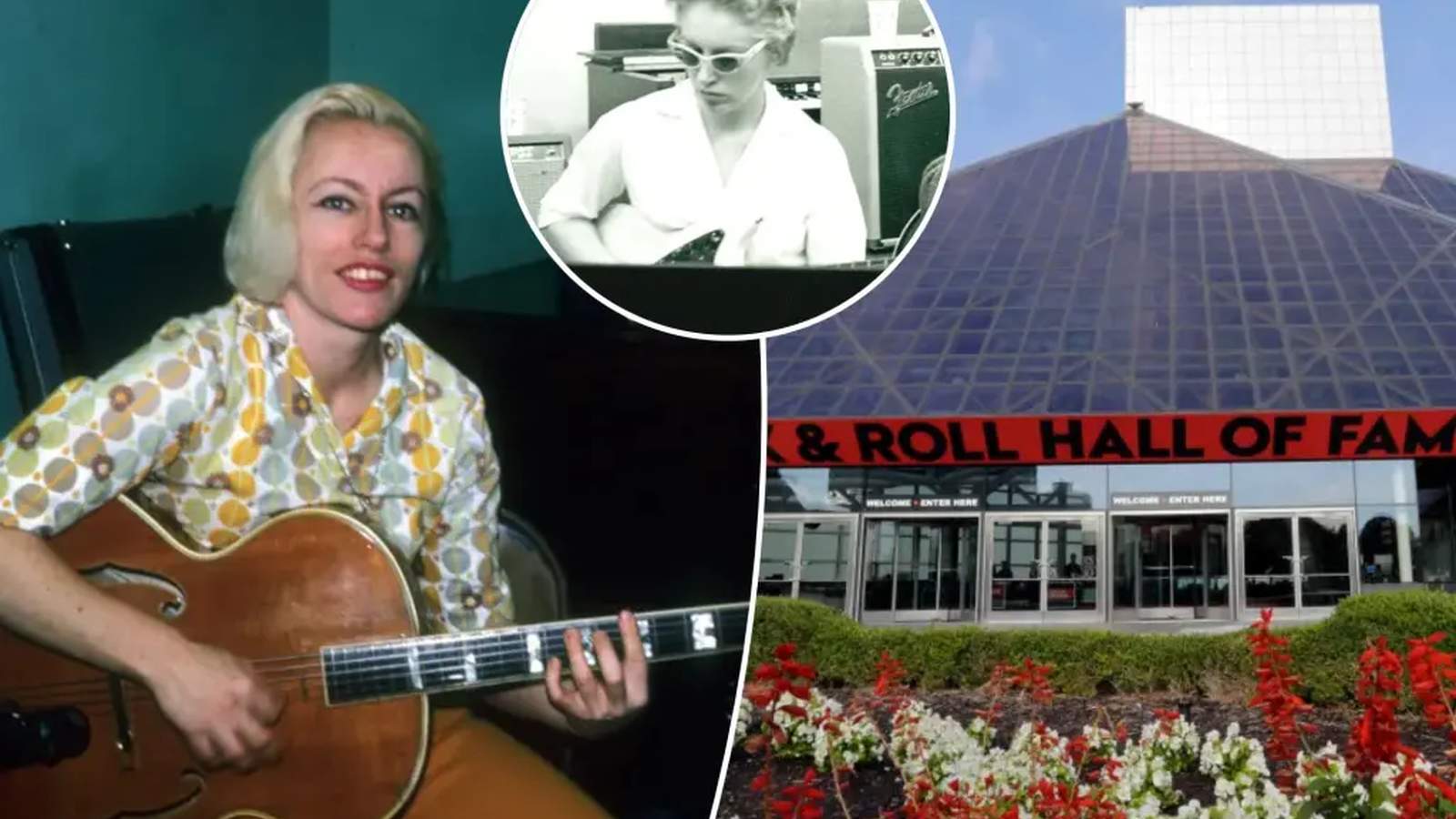
- Carol Kaye, a legendary bassist known for her work on 1960s hits, has declined her Rock & Roll Hall of Fame induction.
- Kaye announced her decision via email and a now-deleted Facebook post, citing dissatisfaction with how studio musicians are represented.
- The 90-year-old musician played on iconic tracks like ‘Good Vibrations’ and ‘I’m a Believer,’ but rejects associations with ‘The Wrecking Crew’ moniker.
- Her decision sparks conversations about the acknowledgment of unsung studio musicians in music history.
Carol Kaye, a name synonymous with the golden era of 1960s music, has made a bold statement against the Rock & Roll Hall of Fame. The legendary bassist, whose rhythmic lines underpinned hits like the Beach Boys’ “Good Vibrations” and Simon & Garfunkel’s “Homeward Bound,” announced on Friday, June 20, 2025, that she is permanently declining her induction into the Hall of Fame.
Why Carol Kaye Declined the Honor
In a candid email to the Associated Press, Kaye, now 90, revealed her decision to step away from the accolade, stating, “I’ve declined the rrhof. Permanently.” Her choice was also reflected in a now-deleted Facebook post, where she asserted, “NO I won’t be there. I am declining the RRHOF awards show.” She clarified her stance further by sending a formal letter to the Hall, solidifying her decision.
Kaye’s reasoning stems from a deep dissatisfaction with how the Hall of Fame represents studio musicians. In her deleted post, she expressed frustration, stating that the induction “wasn’t something that reflects the work that Studio Musicians do and did in the golden era of the 1960s Recording Hits.” For Kaye, who contributed to some of the most iconic tracks of the 20th century, this recognition felt misaligned with her life’s work and values.
Nypost reports that Kaye’s musical credits are vast and varied, including legendary tracks like the Monkees’ “I’m a Believer” and Barbra Streisand’s timeless hits. Yet, despite this impressive portfolio, she felt the Hall of Fame’s approach failed to honor the unique contributions of studio artists like herself.
A Complicated Legacy with “The Wrecking Crew”
Carol Kaye’s relationship with the term “The Wrecking Crew,” a nickname coined by fellow musician Hal Blaine to describe a core group of studio session players, adds another layer to her decision. While the moniker has become a celebrated piece of music history, Kaye has long rejected its implications. She described it as “a terrible insulting name” in her Facebook post and emphasized that she was never truly a part of the so-called “wreckers.”
Her concerns highlight the broader issue of how session musicians are often overshadowed or misrepresented in popular narratives. According to Newindianexpress, Kaye’s inductee page on the Rock & Roll Hall of Fame website notably omits any mention of “The Wrecking Crew,” perhaps reflecting her long-standing disapproval of the label.
How Others Have Responded to the Hall
Kaye is not the first artist to decline the Hall of Fame’s recognition. The Sex Pistols famously rejected their induction in 2006, referring to the ceremony as a “piss stain” on rock history. More recently, in 2022, country music legend Dolly Parton initially declined her nomination, stating that someone more closely aligned with rock ’n’ roll should receive the honor. However, she later reversed her decision and embraced the accolade.
The Hall of Fame’s history with inductees who have mixed feelings about their inclusion sheds light on ongoing debates about its role in preserving music history. While the Hall aims to celebrate the achievements of music’s greatest contributors, it often grapples with questions of representation and inclusivity, particularly for studio musicians who worked behind the scenes.
The Broader Impact of Kaye’s Decision
Kaye’s stance has reignited discussions about the recognition of unsung heroes in the music industry. Studio musicians like Kaye played pivotal roles in shaping the soundscapes of countless hits, yet they often remain in the shadows of the artists they supported. By turning down the Hall’s honor, Kaye has drawn attention to the need for more accurate and respectful acknowledgment of these contributions.
As Santamariatimes notes, Kaye’s decision also underscores her integrity and commitment to her principles. Rather than accepting a token acknowledgment, she has chosen to stand by her belief in the importance of properly representing her craft and her peers.
Carol Kaye’s decision serves as a poignant reminder of the complexities behind music history and the need to honor all contributors equally. Her legacy, built on decades of unparalleled artistry, remains untarnished by her rejection of the Hall of Fame’s recognition. Instead, it stands as a testament to her unwavering dedication to her craft and her values.