
Quick Read
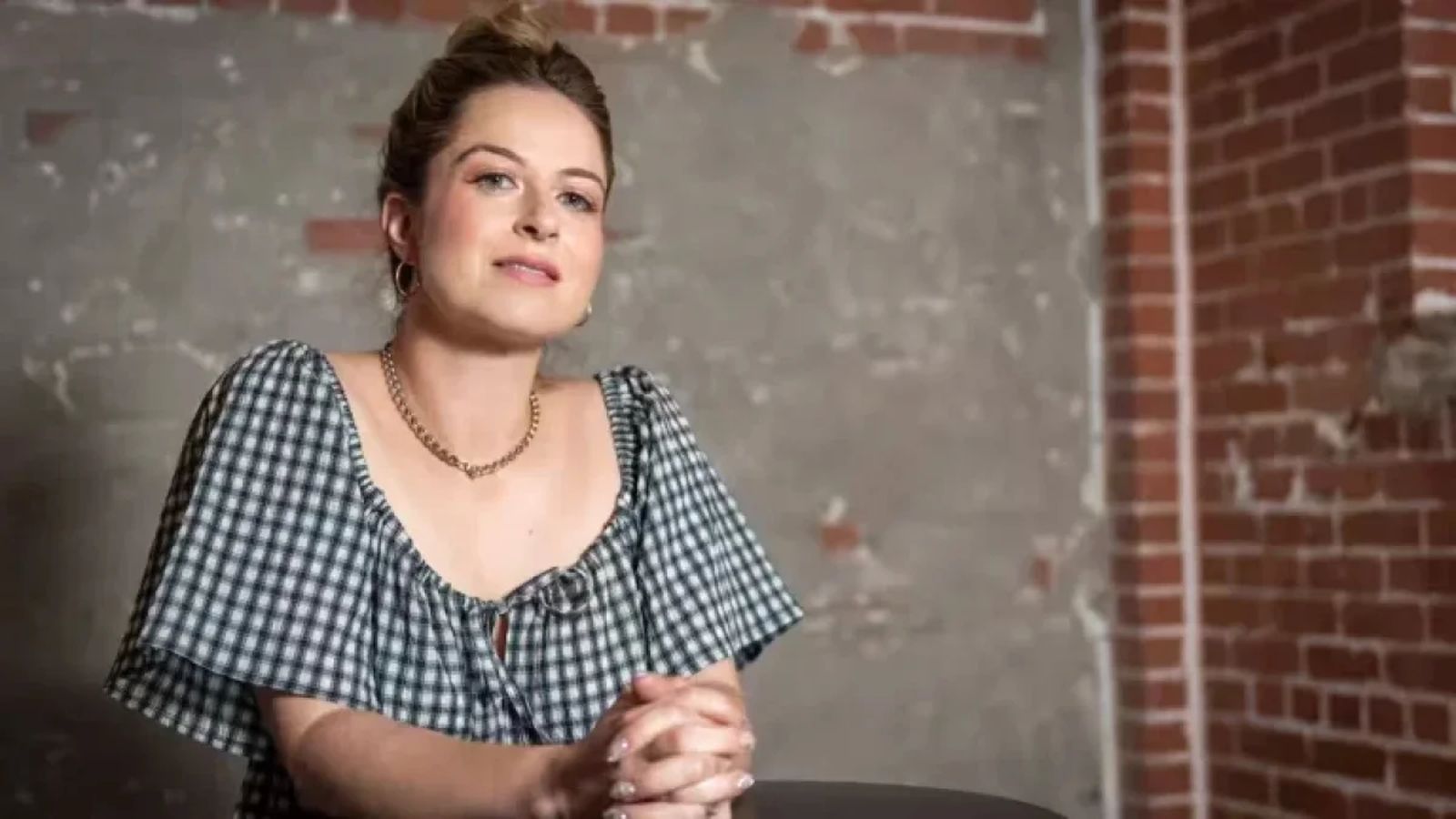
- Catherine Chabot stars in the comedy “Folichonneries.”
- The film explores themes of polyamory and swinging.
- Chabot portrays Julie, a mother aiming to reinvigorate her 16-year marriage.
- “Folichonneries” premieres on January 30.
- The production used an intimacy coordinator to ensure comfort on set.
Actress Catherine Chabot takes center stage in the highly anticipated comedy “Folichonneries,” set to premiere on January 30. In this provocative film, Chabot embodies Julie, a mother who, alongside her partner François (played by Eric K. Boulianne), embarks on an unconventional journey to salvage their 16-year marriage. The couple’s bold decision to explore polyamory and swinging aims to reignite intimacy and challenge the conventional boundaries of their relationship, sparking timely conversations about modern love, commitment, and the evolving landscape of human connection.
“Folichonneries” delves into a dilemma familiar to many long-term couples: how to maintain passion and intimacy amidst the relentless pressures of daily life. Julie and François, parents of two young girls, find their relationship stagnant, bogged down by routine and responsibilities. Their chosen path of an open relationship is portrayed not as a frivolous pursuit, but as a considered attempt to address the ‘exhaustion’ that Chabot notes many couples experience. This fatigue, she explains, often stems from the relentless demands of work, family, and the general grind of modern existence, leaving little energy for the emotional and physical nourishment of a partnership.
The Premise: Beyond Traditional Bonds
The film’s narrative centers on Julie and François’s exploration of non-monogamous relationships. After a decade and a half together, the spark that once defined their union has dimmed, replaced by a comfortable but ultimately unfulfilling routine. Their decision to venture into polyamory and swinging is presented as a radical, yet potentially necessary, step to inject novelty and renewed connection into their lives. This isn’t merely about sexual exploration; it’s about a deeper quest for emotional vitality and a redefinition of what commitment can mean in a contemporary context.
Chabot’s portrayal of Julie is critical to the film’s success, grounding the potentially sensational themes in relatable human experience. The film, through its characters, navigates the complexities and emotional challenges inherent in such a transition, demonstrating that opening a relationship is far from a simple solution. It requires immense communication, vulnerability, and a willingness to confront societal norms and personal insecurities. By presenting these mature discussions about sexuality and relationship structures, “Folichonneries” seeks to move beyond superficial depictions and offer a more nuanced understanding of alternative relationship models.
Chabot’s Vision: Redefining Intimacy
Catherine Chabot has been vocal about the film’s intent to challenge prevailing notions of monogamy. In interviews, she articulates a perspective that resonates with a growing segment of society: that monogamy, while deeply ingrained in cultural norms, may not be the optimal model for every individual or every relationship. She acknowledges the rising interest in polyamory and open relationships, suggesting that these alternatives offer valid pathways for love and connection in a world where traditional structures are increasingly questioned.
The film addresses the widespread phenomenon of ‘relationship fatigue’—a state where the emotional and physical demands of a long-term partnership, coupled with external stressors, deplete a couple’s energy and passion. Chabot emphasizes that this isn’t a failure of love, but often a consequence of modern life. By exploring open relationships, Julie and François are, in essence, seeking a new framework to sustain their bond, one that potentially allows for individual growth and diverse forms of connection while maintaining a core partnership. This exploration encourages viewers to consider whether societal expectations around love and fidelity truly align with individual needs and desires.
Crafting Authenticity: On Set with ‘Folichonneries’
Despite the film’s explicit content and potentially sensitive themes, Chabot highlights the comfortable and supportive environment maintained throughout the filming process. The presence of friends within the cast and crew fostered a sense of camaraderie, which was crucial for navigating intimate scenes. A significant factor in ensuring actor comfort and safety was the inclusion of an intimacy coordinator, a role that has become increasingly vital in modern film production. Intimacy coordinators work to choreograph sensitive scenes, facilitate communication between actors and directors, and ensure clear boundaries and consent, thereby creating a professional and respectful atmosphere on set.
Chabot candidly shared that the most challenging scene for her involved portraying an orgasm, an act she found more intimate and emotionally demanding than depicting nudity. Her focus during this scene was to strike a delicate balance: to convey authentic emotion and vulnerability without resorting to the clichés often associated with such portrayals in adult films. This commitment to authenticity underscores the film’s broader artistic integrity, aiming for a realistic and humanistic depiction of sexuality rather than sensationalism. The careful handling of these scenes reflects a growing industry standard that prioritizes actor well-being and artistic nuance in the depiction of intimacy.
Breaking the Silence: Sexuality and Society
During screenings and festival appearances, Chabot has observed that sexuality remains a remarkably sensitive and often taboo topic for many viewers. Her insight that ‘discussing sexuality can feel more intimate than the act itself’ speaks volumes about the deep-seated societal discomfort surrounding open conversations about desire, pleasure, and relationship structures. This vulnerability, she notes, touches upon profound emotional territories for both the performers and the audience, highlighting the enduring power of these subjects to provoke introspection and sometimes discomfort.
“Folichonneries” aims to be a catalyst for breaking this silence. By openly portraying a couple’s journey into polyamory and swinging, and by showcasing mature discussions about these choices, the film contributes to normalizing conversations around diverse forms of intimacy. It implicitly asks audiences to reconsider their own preconceived notions about what constitutes a ‘normal’ or ‘successful’ relationship. In doing so, it contributes to a broader cultural dialogue that seeks to destigmatize non-traditional relationship models and encourage greater openness and understanding.
A Timely Release: Sparking Dialogue
With its premiere slated for January 30, “Folichonneries” is poised to be more than just a comedy; it is a cultural touchstone. The film’s provocative approach and its examination of the complexities of modern relationships make it a potent conversation starter. It arrives at a time when discussions about relationship satisfaction, personal fulfillment, and the limitations of traditional monogamy are gaining significant traction globally. By bringing these themes to the forefront through a comedic lens, the film offers an accessible entry point for audiences to engage with challenging ideas in a thoughtful and entertaining manner.
The film’s exploration of polyamory and swinging, framed within a couple’s struggle against relational stagnation, underscores a growing societal willingness to question established norms and seek innovative pathways for personal and relational fulfillment.