
Quick Read
- The CDC is investigating a cluster of invasive Group A Streptococcus cases identified in West Hawaii.
- The agency is operating under increased scrutiny following a year of significant workforce reductions and administrative restructuring.
- Public trust in the CDC remains fragile, with cruise ship safety ratings serving as one of the few areas of consistent positive public engagement.
Investigating the West Hawaii Strep Cluster
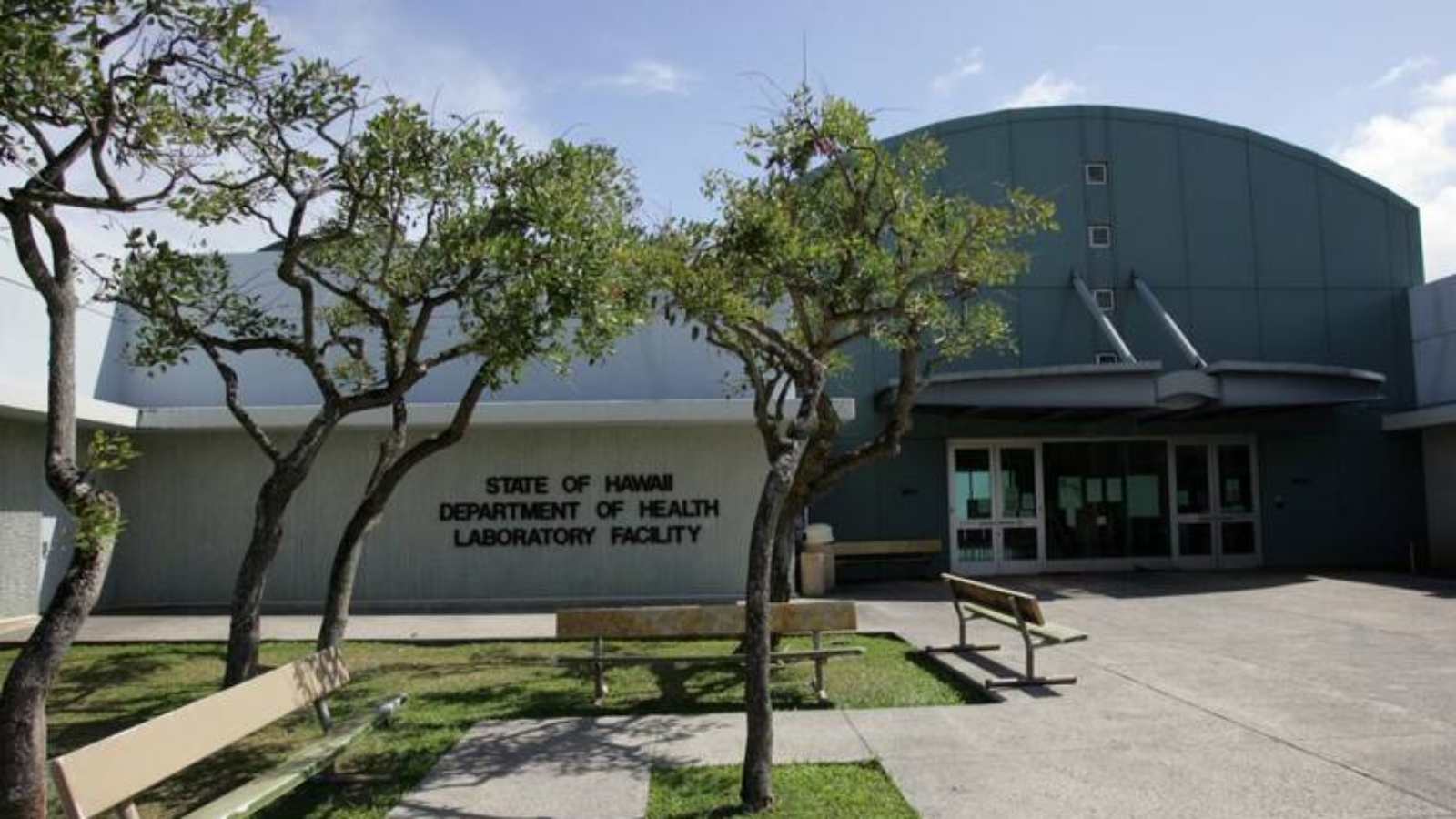
The Centers for Disease Control and Prevention (CDC) is currently collaborating with the Hawaii Department of Health to investigate a higher-than-expected number of invasive Group A Streptococcus (iGAS) infections in West Hawaii. Local medical professionals flagged the cluster, prompting a state-led inquiry into laboratory data and transmission patterns. While officials maintain that the overall public risk remains low, the investigation highlights the agency’s ongoing role in monitoring regional outbreaks of potentially life-threatening bacterial infections, including necrotizing fasciitis and streptococcal toxic shock syndrome.
Navigating Institutional Challenges
This localized intervention arrives at a pivotal moment for the CDC, which recently marked one year since significant administrative policy shifts and mass layoffs fundamentally altered its operational capacity. These internal changes have prompted a broader conversation regarding the future of national health security and the sustainability of critical public health funding, including essential HIV testing initiatives. As the agency attempts to recalibrate its core functions, the loss of experienced personnel has placed increased pressure on its remaining surveillance systems to detect and contain emerging health threats efficiently.
Public Perception and Rare PR Successes
Beyond the complexities of epidemiological data, the agency continues to face a persistent erosion of public trust. The challenge of maintaining a cohesive national health strategy has led to the emergence of decentralized health networks, with individual states and medical societies increasingly filling the void left by shifting federal priorities. Amidst this climate, the CDC finds rare positive public relations metrics in its oversight of the maritime industry. Recent ratings regarding the sanitation and cleanliness of cruise ships remain one of the few areas where the agency consistently receives favorable public engagement, serving as a rare bright spot in its current portfolio.
The heightened scrutiny surrounding the CDC’s current response to the Hawaii cluster reflects a broader institutional anxiety; the agency is no longer just managing health outcomes, but is actively struggling to demonstrate the efficacy and reliability of its data-driven mission in a post-restructuring landscape.