
Quick Read
- Over 600 Chagossians have arrived in the UK since July, seeking British citizenship.
- Hillingdon Council expects to spend £2 million this year on temporary housing for new arrivals.
- Chagossians face safety concerns in Mauritius due to the UK-Mauritius sovereignty deal.
- The UK government expanded citizenship eligibility for all Chagossian descendants in November 2022.
- Local councils are urging government support to cope with the financial strain.
Chagos Islanders Seek Safety and Citizenship in the UK
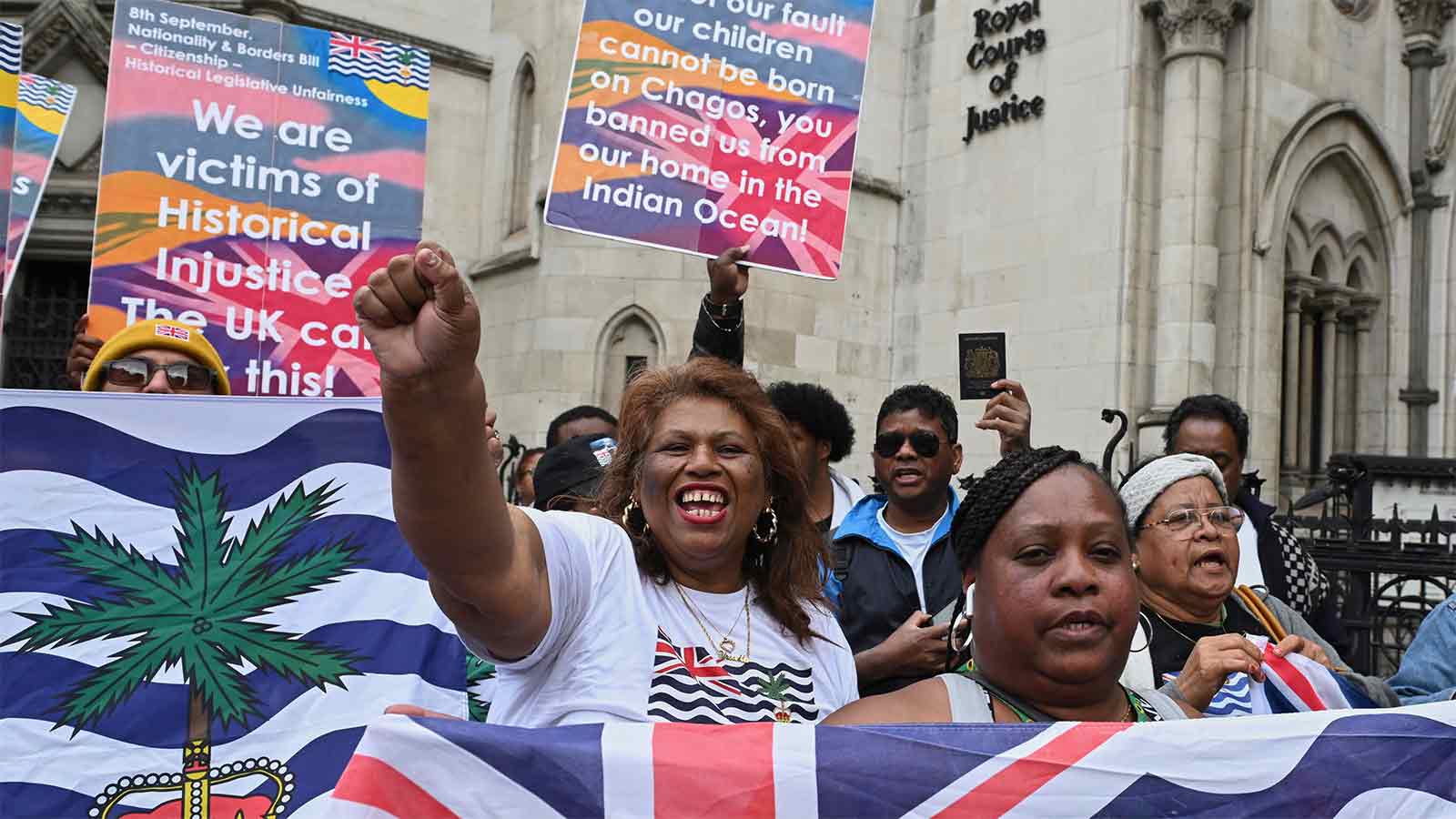
In recent months, the United Kingdom has witnessed a noticeable surge in arrivals from the Chagos Islands, a remote archipelago in the Indian Ocean whose turbulent history continues to ripple through British society. Many Chagossians, displaced decades ago and now scattered across Mauritius, Seychelles, and the UK, are seizing a new opportunity to claim British citizenship—a right that, for some, carries the promise of safety, dignity, and a long-awaited sense of belonging.
At the heart of this migration story is a single, pressing issue: housing. Local councils, especially in areas near Heathrow Airport such as Hillingdon, are grappling with the financial realities of supporting hundreds of new arrivals, each entitled to assistance as British citizens. The situation has brought simmering tensions to the surface, revealing the intricate connections between international agreements, historical injustices, and the everyday lives of communities struggling to make ends meet.
Historical Displacement and New Citizenship Pathways
The Chagos Islands’ fate was sealed in the late 1960s, when the UK government transformed Diego Garcia—the largest island—into a joint UK-US military base. This decision led to the forced removal of the entire Chagossian population, who were relocated mainly to Mauritius and Seychelles. According to BBC News, the global Chagossian diaspora now numbers around 10,000, with a significant expat community in Crawley, West Sussex.
For years, Chagossians struggled with statelessness and marginalization. A turning point came in 2002, when a limited number of Chagossians gained full British citizenship. This change, while significant, left many still yearning for legal recognition. In November 2022, the UK government expanded this pathway, granting all individuals of Chagossian descent—regardless of current residence—the right to apply for British nationality free of charge. Adults have a five-year window from November 23, 2022, to apply, while children born during this period have until age 23 to secure citizenship.
Housing Crisis: Councils Sound the Alarm
The policy shift has had real-world consequences. Since July, Hillingdon Council has welcomed over 600 Chagossians, with at least 152 arriving at Heathrow in just one week. The council projects it will spend £2 million this year to meet its legal obligation to house eligible Chagossian arrivals, a sum that is straining already stretched resources.
Steve Tuckwell, Hillingdon’s cabinet member for planning, housing, and growth, voiced the council’s concerns to BBC News and EMEgypt: “It’s breaking the council. It’s taking away hard-earned taxpayers’ money from core services.” Facing the largest budget savings target in its history—£38 million—Hillingdon has requested exceptional financial support from the government, warning of the risk of effective bankruptcy.
The financial challenge is not isolated. Councils in Greater Manchester and Crawley have issued similar warnings, highlighting a nationwide issue. The initial governmental aid covers only the first ten days of support for new arrivals, after which responsibility shifts to local authorities, who must provide ongoing assistance to families with dependents.
Personal Stories: Seeking Safety, Facing Uncertainty
Behind the statistics are families like Damien Dursonial’s. A former police constable in Mauritius, Dursonial spent two years saving for airfare, selling his motorcycle to bring his wife and two young children to the UK. “I came to the UK because it was the only place where we could feel safe, respected and recognized as British citizens,” he explained. In Mauritius, simply identifying as British or supporting UK sovereignty over the Chagos Islands could invite threats and hostility.
Upon arrival, Dursonial’s family was placed in temporary accommodation by Hillingdon Council. While grateful for the support, he questioned the government’s approach: “The government should have done this because all this work is falling on a local council… Whereas ministers are giving away the Chagos Archipelago and taxpayer funds to Mauritius.”
For many Chagossians, the UK represents not just a safe haven but a potential stepping stone to an even greater hope: returning to their ancestral homeland. Yet the recent agreement between the UK and Mauritius complicates this dream. Under the deal, the UK will pay £101 million annually for 99 years to maintain control over the Diego Garcia military base, while formal sovereignty shifts to Mauritius. Many Chagossians view the arrangement as a betrayal, fearing prosecution by Mauritian authorities for their support of UK sovereignty and feeling excluded from decisions about their future.
Government Response and the Path Forward
The UK government insists that Chagossian arrivals are expected to arrange their own accommodation prior to travel, maintaining that the influx is “completely unrelated” to the Chagos Islands deal with Mauritius. A government spokesperson told BBC News: “Hillingdon Council has received funding to provide support in cases where immediate local pressures arise… Support for all local authorities is kept under ongoing review.”
Yet local leaders, activists, and Chagossians themselves argue that the current system is unsustainable. Vanessa Mandarin Calu of Biot Citizen called for a clear pathway for British-Chagossians, emphasizing that their homeland remains a British Overseas Territory and decisions about its future should involve those most affected.
In the meantime, Hillingdon Council has opened a pop-up processing center to manage the surge, aiming to fulfill its legal duty while balancing the needs of other vulnerable groups, including asylum seekers. As more Chagossians make their way to the UK, the debate over housing costs and government responsibility is likely to intensify.
Looking Ahead: An Unresolved Dilemma
The Chagos Islanders’ journey to the UK is more than a migration story—it is a reflection of unresolved historical wounds, contested sovereignty, and the complex realities of modern citizenship. For local councils, the immediate challenge is financial. For Chagossians, the stakes are existential: safety, identity, and the hope of return.
As the government and local authorities negotiate the balance between legal obligations and fiscal constraints, one question lingers: Who bears responsibility for the consequences of history—and who gets to shape the future?
The Chagos Islanders’ arrival in the UK exposes the tension between national policy and local capacity, underscoring the need for a coordinated response that honors both legal rights and human dignity. The current strain on councils is a warning sign, not just about resources, but about the urgency of addressing the legacies of displacement and the promises of citizenship.