
Quick Read
- Liverpool secured a dramatic 3-2 win over Atletico Madrid with a late Van Dijk header.
- Galatasaray suffered a heavy 5-1 defeat against Eintracht Frankfurt in their opener.
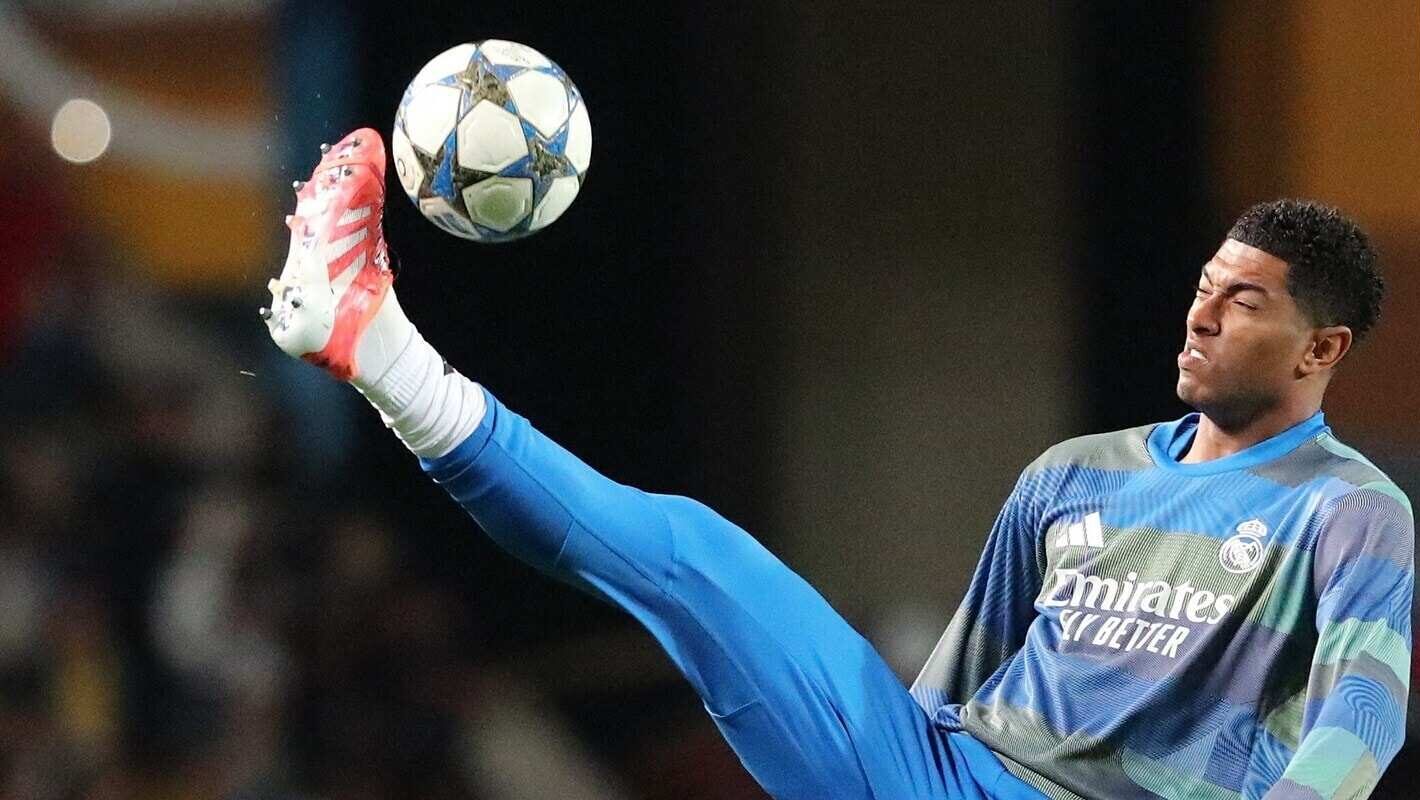
- Jude Bellingham started on the bench for Real Madrid vs Kairat for tactical reasons.
- Real Madrid leads Group D after two wins.
- The group stage runs until January, with knockouts starting in February 2026.
Liverpool’s Last-Gasp Heroics and Galatasaray’s Tough Start
The UEFA Champions League group stage has kicked off with the kind of drama and unpredictability fans crave. On September 17, Anfield witnessed a classic: Liverpool edged out Atletico Madrid 3-2, thanks to a stoppage-time header from captain Virgil van Dijk. The match wasn’t just a test of skill—it was a test of nerve. Liverpool exploded out of the blocks, netting twice within six minutes. Andy Robertson, fresh off a spell on the sidelines, marked his return with a scrappy goal, assisted—albeit inadvertently—by Mohamed Salah. Salah doubled Liverpool’s lead moments later, bulldozing through a maze of defenders and slotting home with the confidence only he possesses.
But Atletico, never content to play the role of underdog, clawed their way back. Marcos Llorente struck on the edge of halftime and again in the 81st minute, leveling the score and sending shockwaves through the stadium. Just when the game seemed destined for a draw, Liverpool surged. Van Dijk, left unmarked, rose above the crowd to bury Szoboszlai’s corner and secure three crucial points. The ensuing chaos saw Atletico’s fiery manager Diego Simeone sent off, frustration boiling over after his team’s defensive lapses. As Reuters noted, the Reds’ new signing Alexander Isak made his European debut, adding depth and spark to Arne Slot’s squad.
Galatasaray’s Defensive Woes and Frankfurt’s Ruthless Efficiency
While Liverpool celebrated, Galatasaray endured a night to forget. Traveling to Eintracht Frankfurt, the Turkish giants started brightly—Yunus Akgun finished off a Leroy Sane assist to open the scoring in the eighth minute. Sane, newly arrived from Bayern Munich, set a Champions League record by scoring or assisting on his debut for a fourth club. Yet, Galatasaray’s joy was fleeting. Defensive errors proved costly, with Ritsu Doan’s pressure forcing a calamitous own goal. By halftime, Frankfurt had powered ahead, with 19-year-old Can Uzun and Jonathan Burkardt each finding the net. Burkardt, in particular, was electric, heading in twice and leaving defenders grasping at shadows. Ansgar Knauff completed the rout in the 75th minute, sealing a 5-1 victory that exposed Galatasaray’s vulnerabilities.
Galatasaray’s lineup for their next fixture against Liverpool showed signs of adjustment. Viktor Osimhen, recently recovered from injury, reclaimed his spot up front, relegating Mauro Icardi to the bench. Leroy Sane, despite his historic achievement, was also benched, with Akgun and Yilmaz preferred on the wings. The midfield boasted Premier League veterans Ilkay Gundogan, Lucas Torreira, and Mario Lemina, suggesting a blend of experience and tactical flexibility as the Turkish side sought redemption.
Real Madrid’s Calculated Approach and Bellingham’s Managed Minutes
Elsewhere, Real Madrid’s trip to Kazakhstan’s FC Kairat highlighted the tactical chess match that defines the Champions League. Star midfielder Jude Bellingham was left on the bench—a decision manager Xabi Alonso described as purely tactical. After a grueling Madrid derby days earlier, Alonso opted to rest key players like Bellingham and Federico Valverde, trusting the squad’s depth to handle Kairat. Bellingham, recently back from shoulder surgery, entered as a substitute just five minutes in, underscoring Madrid’s commitment to careful workload management. Eduardo Camavinga stepped into the starting lineup, tasked with blunting Kairat’s counter-attacks and maintaining midfield control.
Madrid’s approach paid off. Kylian Mbappe, clinical as ever, converted a penalty to give Los Blancos a 1-0 lead at halftime, a scoreline they maintained in a disciplined display. As Hindustan Times and Bola VIP reported, Madrid’s strategic rotation is aimed at keeping their stars fresh for tougher challenges ahead. The Spanish giants sit atop Group D, having won their opening games and signaling their intent to make another deep run in Europe’s premier competition.
Match Schedules and the Road Ahead
The Champions League’s league phase offers little respite for its competitors. After the initial fireworks, teams must navigate a relentless schedule:
- Matchday 1: September 16-18, 2025
- Matchday 2: September 30-October 1, 2025
- Matchday 3: October 21-22, 2025
- Matchday 4: November 4-5, 2025
- Matchday 5: November 25-26, 2025
- Matchday 6: December 9-10, 2025
- Matchday 7: January 20-21, 2026
- Matchday 8: January 28, 2026
The knockout rounds begin in February 2026, culminating in the final on May 30. Every match carries weight, as one slip can tip the balance in these tightly contested groups.
Early Standings and Group Dynamics
As the dust settles on the opening fixtures, several themes are emerging. Liverpool and Real Madrid have set the pace in their respective groups, blending attacking flair with defensive resilience. Galatasaray, however, faces an uphill climb, needing to shore up at the back and rediscover their confidence. The strategic management of stars—resting Bellingham, rotating Sane—reflects the grueling nature of the tournament and the importance of squad depth.
Elsewhere, Club Brugge’s win over Atalanta and Real Madrid’s disciplined display against Kairat hint at potential surprises. The margins are razor-thin, and managers are forced to make tough choices: Do you risk your stars every week, or trust your bench to deliver?
What’s Next?
Fans can expect more twists as the group phase unfolds. With injuries, tactical gambits, and late goals already defining the narrative, the Champions League’s reputation for unpredictability remains intact. As teams jostle for position, every point and every decision could be decisive. The journey has only just begun, but the intensity is unmistakable.
In this early stretch of the Champions League, the tension between tactical innovation and player endurance is front and center. Managers who master the balancing act—rotating squads, making bold in-game calls—may find themselves rewarded in the spring. For now, the group stage is a proving ground, and every match is a story in itself.