
Quick Read
- Charli D’Amelio returned to DWTS for TikTok Night, performing with the troupe and Mark Ballas.
- TikTok Night featured viral songs and digital influencers as contestants.
- Lauren Jauregui was eliminated despite her large fan base, shocking the ballroom.
- Jordan Chiles and Whitney Leavitt tied for top scores at 24/30.
- DWTS continues to blend social media trends with classic ballroom dance.
Charli D’Amelio Returns: TikTok Meets Ballroom Brilliance
In a world where the pulse of pop culture often beats through phone screens, ‘Dancing With the Stars’ embraced the digital age by dedicating its third week to TikTok Night—a celebration of viral music, choreography, and the influencers who drive them. The ballroom, usually a shrine to tradition, transformed into a stage pulsing with the energy of millions of online dances. And leading that charge was none other than Charli D’Amelio, the TikTok sensation whose meteoric rise has redefined how a generation connects with dance.
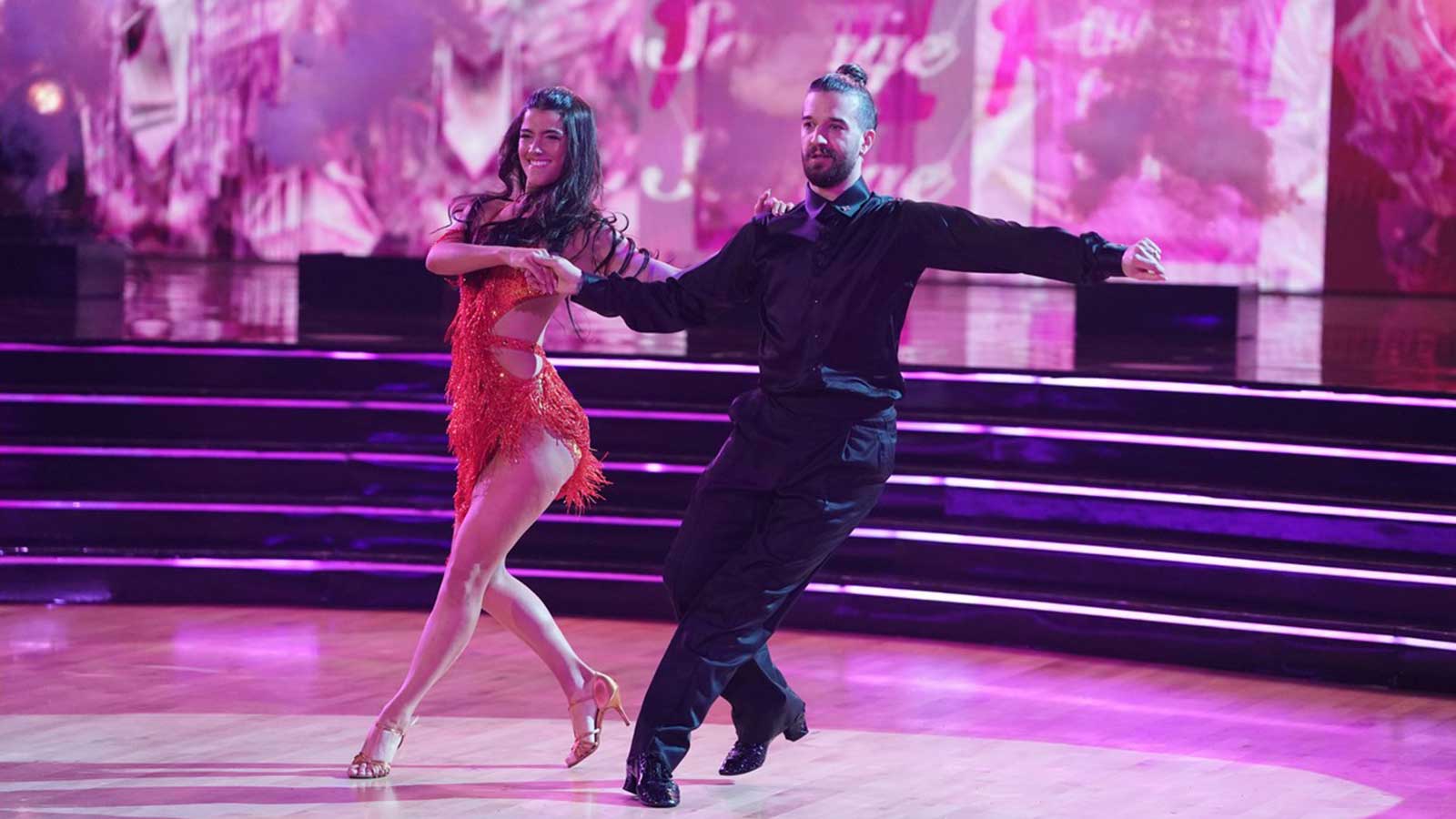
Charli, Season 31’s champion, returned not as a contestant but as the evening’s star, opening the show with a dynamic routine alongside the troupe. Their performance to Charli XCX’s “Apple”—a track that sparked a viral dance craze last summer—felt like a bridge between the digital and the tangible, with every step echoing the rhythms of thousands who had learned it online. The ballroom, filled with anticipation, erupted as Charli reunited with her former partner, Mark Ballas, for the TikTok “samba whisk” challenge—a nod to the way dance challenges have become communal experiences in the age of social media.
The TikTok Effect: Viral Songs and Social Media Stars Take Center Stage
The rest of the night underscored TikTok’s influence, with contestants drawing inspiration from viral tracks and trends. Social media personalities like Alix Earle and Whitney Leavitt, reality TV stars Jen Affleck and Dylan Efron, and Olympic gymnast Jordan Chiles all brought their own flavor to the floor, performing to hits that have dominated feeds across the globe. For many, it was a home-court advantage—where digital fame met the discipline of ballroom dance.
Jordan Chiles and Whitney Leavitt topped the leaderboard, each scoring 24 out of 30. Their routines were not just technically sharp but emotionally charged, with Chiles, in particular, connecting her tango to Doechii’s “Anxiety,” sharing a piece of her personal journey with the audience. Dylan Efron’s foxtrot to Justin Bieber’s “YUKON,” Scott Hoying’s jazz to “Like Jennie” by Jennie, and Elaine Hendrix’s tango to KATSEYE’s “Gnarly” all reflected the diversity of TikTok’s musical landscape.
Surprise Elimination: The Ballroom Reacts
But amid the high scores and viral energy, the night’s emotional peak arrived with the elimination. Lauren Jauregui, known for her powerful vocals in Fifth Harmony and a formidable fan base, found herself at the bottom of the scoreboard with Andy Richter. Jauregui’s cha-cha to “Work From Home” by Fifth Harmony scored just 18/30, and when her name was called, the ballroom was stunned. Audience members gasped; her bandmates, present for support, watched as Lauren processed the news. In a moment that captured the raw reality of live television, Jauregui declared herself “pissed,” but quickly pivoted to gratitude for her partner, Brandon Armstrong, calling the experience unforgettable.
It was a reminder that, in this fusion of digital and traditional performance, popularity alone isn’t a safeguard against elimination. The judges’ scores and the pressure of live performance remain the ultimate deciders, regardless of the online following.
Charli D’Amelio: From TikTok to Ballroom Royalty
Charli D’Amelio’s journey from viral dance videos to ‘Dancing With the Stars’ champion is emblematic of a larger cultural shift. Her debut on TikTok in 2019 was the start of a phenomenon—her choreography and relatable persona quickly gained millions of followers, turning her into a household name among Gen Z and beyond. Her Season 31 victory was not only a personal triumph but a testament to the power of digital communities rallying behind their favorites.
This week’s return to the show marked another milestone. Charli’s two performances—a high-energy opener to Megan Thee Stallion’s “Savage” with the troupe, and a mesmerizing routine to Sam Gellaitry’s “Assumptions” with Mark Ballas—were more than just dances. They were statements about the permeability of boundaries between online fame and mainstream entertainment. In her movements, one could see both the technical precision honed in the ballroom and the infectious spontaneity that characterizes TikTok trends.
Her presence seemed to lift the entire night, inspiring fellow contestants and reminding viewers of the evolving nature of celebrity in the 2020s. As reported by ABC7, Charli’s routines were the highlight, setting the tone for an evening where digital culture and dance tradition met in spectacular fashion.
The Fusion of Digital and Dance: A New Era for DWTS
‘Dancing With the Stars’ has always been about reinvention, and this TikTok Night could mark a turning point for the show. By embracing viral music and internet personalities, DWTS is not only staying relevant but also broadening its audience. The inclusion of influencers alongside traditional celebrities creates a dynamic mix, making the competition unpredictable and engaging.
For the contestants, the challenge is clear: technical skill must now be matched with the ability to connect in real time—both with the ballroom and with fans watching through their devices. For Charli D’Amelio, this environment is second nature. Her success story, as chronicled by Crispng, highlights how the barriers between social media and mainstream success are quickly dissolving.
As the night ended, the anticipation for next week’s Disney Night was palpable. But the energy left by Charli and her fellow digital stars lingered—a sign that the ballroom, like the internet, is always ready for its next viral moment.
Charli D’Amelio’s return to DWTS is more than a nostalgic cameo—it’s a powerful signal of how digital culture continues to reshape the landscape of entertainment. Her ability to connect with audiences, both online and in person, underscores the new demands of celebrity, where adaptability and authenticity reign. For DWTS, embracing this shift could be the key to its continued relevance in a rapidly changing media world.