
Quick Read
- Cheng Li-wun is the first KMT chairperson to visit China in a decade, with the trip occurring just weeks before President Trump’s scheduled summit in Beijing.
- The visit has sparked political friction in Taipei as the KMT continues to stall a $39 billion defense spending package intended to bolster Taiwan’s security.
- Observers warn that Beijing is using the diplomatic outreach to isolate Taiwan from US defense support and frame the island’s sovereignty as a domestic Chinese issue.
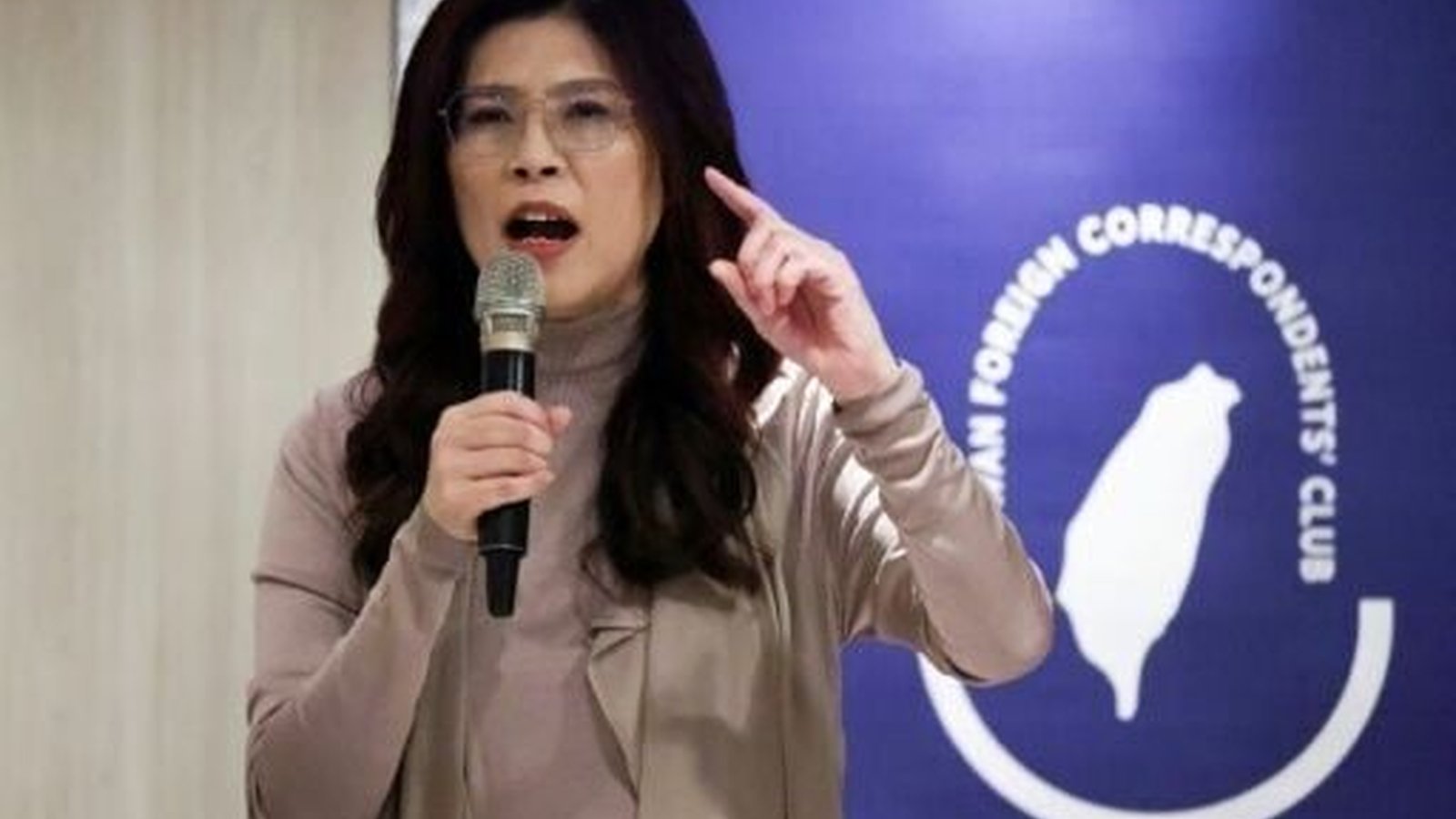
TAIPEI (Azat TV) – Kuomintang (KMT) Chairperson Cheng Li-wun arrives in China this Tuesday for a high-profile visit, marking the first such trip by a sitting leader of Taiwan’s main opposition party in a decade. The timing of this diplomatic mission, occurring just weeks before a scheduled visit to Beijing by U.S. President Donald Trump, has intensified speculation regarding the future of cross-strait stability and the trajectory of Taiwan’s defense policy.
Cheng Li-wun Navigates Cross-Strait Diplomacy
Cheng, who assumed the KMT leadership in November 2025, has framed the visit as an essential effort to secure peace and de-escalate tensions in the Taiwan Strait. In an interview, she maintained that her engagement with Beijing is intended to stabilize the region rather than compromise Taiwan’s sovereignty or its security relationship with the United States. However, the move has drawn sharp criticism from domestic opponents who fear that Beijing is utilizing the meeting to undermine the current administration’s defense agenda.
Arms Procurement and Political Leverage
The visit coincides with a critical legislative deadlock in Taipei, where the KMT has stalled a proposed NT$1.25 trillion (US$39 billion) defense budget increment. Taiwanese officials, including spokespeople from the Mainland Affairs Council, have warned that Beijing is actively attempting to sever Taiwan’s military procurement channels from Washington. By courting Cheng, observers argue that Chinese leadership seeks to project an image of influence over Taiwanese politics, potentially complicating the upcoming May summit between President Trump and President Xi Jinping.
Strategic Implications for US-Taiwan Relations
The stakes of this diplomatic maneuver are amplified by recent reports of U.S. military budget expansions and regional defense shifts, including Japan’s deployment of long-range missiles. While the United States remains Taipei’s primary security partner, the administration’s recent ambivalence regarding arms sales has created a vacuum that both Taipei’s opposition and Beijing are attempting to fill. Analysts suggest that Cheng’s visit serves as a strategic signal to both Washington and Beijing, positioning the KMT as an alternative conduit for regional stability.
The strategic timing of Cheng Li-wun’s visit suggests a calculated effort by Beijing to frame the Taiwan issue as an internal matter before President Trump’s arrival, effectively utilizing the KMT’s internal divisions to weaken the island’s leverage in upcoming international negotiations.