
Quick Read
- A February 2025 drone strike severely damaged the New Safe Confinement at Chernobyl, compromising its ability to contain radioactive waste.
- The IAEA recommends urgent, comprehensive repairs to restore long-term nuclear safety.
- The NSC, completed in 2019 at a cost of €2.1 billion, was designed to last 100 years.
- The original 1986 disaster spread radiation across Europe, with ongoing health impacts for exposed populations.
Chernobyl’s Shield Breached: A New Chapter in Nuclear Risk
Nearly forty years after the world watched in horror as reactor No. 4 at Chernobyl erupted and unleashed a radioactive cloud across continents, the infamous disaster site has re-entered global headlines for an unsettling reason: its shield—the very symbol of containment—can no longer do its job. According to the International Atomic Energy Agency (IAEA), a drone strike earlier this year has severely compromised the New Safe Confinement (NSC) structure, jeopardizing the ongoing efforts to keep radiation at bay.
Drone Strike in the Shadow of War
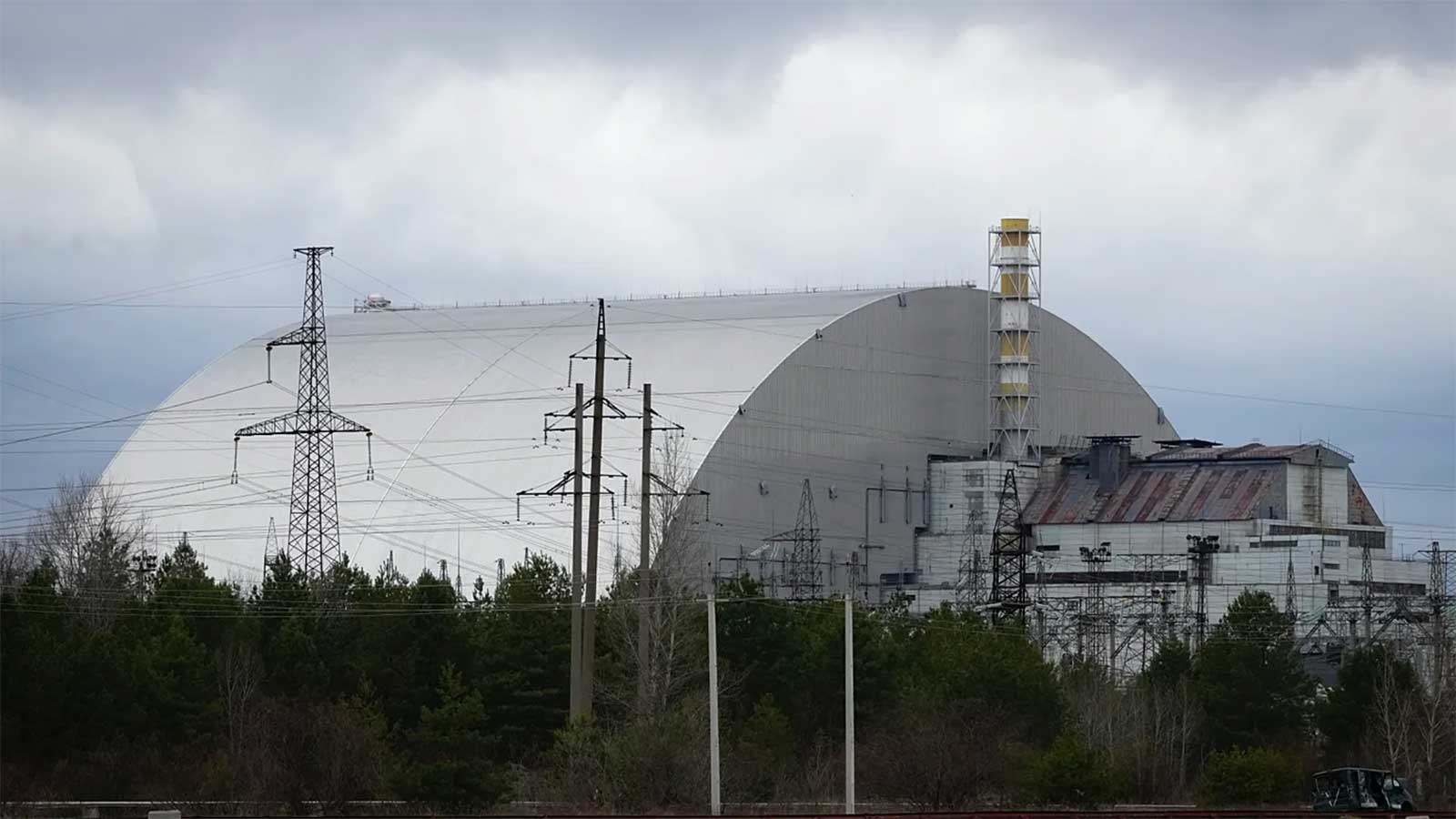
On February 14, 2025, a drone struck the NSC at Chernobyl. Ukraine swiftly accused Russia of orchestrating the attack, though the Kremlin denied involvement. The impact sparked a fire and damaged the protective cladding, which has served as the primary barrier against the spread of radioactive particles. The IAEA, in its December statement, confirmed that the NSC has “lost its primary safety functions, including the confinement capability.” Temporary repairs have patched the roof, but the organization warns these are insufficient. The threat is not abstract—without comprehensive restoration, the structure will continue to degrade, increasing the risk of radioactive leakage.
The NSC itself is an engineering marvel. Arch-shaped and immense, it was designed to cover the ruined reactor and contain the toxic remnants. Built over nearly a decade and completed in 2019, the project cost €2.1 billion, funded by more than 45 countries and organizations. The European Bank for Reconstruction and Development once called it “the largest international collaboration ever in the field of nuclear safety.” Its expected 100-year lifespan now faces serious questions.
From Catastrophe to International Collaboration
The shadow of Chernobyl has always stretched far beyond Ukraine. When the reactor exploded in April 1986, radioactivity spread across Ukraine, Belarus, Russia, and as far as the United Kingdom. Farmers in Sweden donned protective gear to handle contaminated fodder. In France, veterinary officials inspected spinach for radioactive traces. Pope John Paul II comforted children from the fallout zone, and leaders like Fidel Castro welcomed victims abroad for care.
The immediate aftermath was harrowing. More than 30 people were killed in nearby Pripyat, and countless others suffered radiation-related illnesses. The disaster’s legacy persists: elevated rates of birth defects and cancer remain a reality for those exposed. Entire villages in Belarus and Ukraine were abandoned, with buildings standing empty as silent testaments to invisible contamination.
Images from the period—a half-destroyed reactor broadcast on Soviet television, policemen checking vehicles for radioactive dust, satellite views of the forbidden zone—captured the world’s imagination and horror. The original concrete sarcophagus, hastily built in 1986, was eventually replaced by the NSC, a steel colossus intended to finally secure the site.
War’s Return to Chernobyl
Russia’s full-scale invasion of Ukraine in 2022 brought new dangers to Chernobyl. In the war’s opening days, Russian forces seized the nuclear plant, overrunning staff and holding them hostage. For over a month, the plant’s fate hung in the balance. Ultimately, Russian troops withdrew, returning control to Ukrainian personnel, but the episode underscored the vulnerability of such sites during conflict.
The February 2025 drone strike is the latest reminder that Chernobyl remains exposed—not just to the slow passage of time, but to the unpredictable hazards of war. The IAEA maintains a permanent presence at the site, monitoring conditions and urging swift, substantial repairs to the NSC. Director General Rafael Mariano Grossi insists there is no permanent damage to the structure’s load-bearing elements or monitoring systems, but the loss of confinement is an urgent concern.
Radiation’s Lingering Shadow: Health and Human Toll
The human cost of Chernobyl continues to unfold. Residents in the blast zone have faced a lifetime of health challenges. Cancer rates, particularly thyroid cancer among children, spiked in the years following the disaster. Birth defects and chronic illnesses are a persistent legacy. For those who lived through the initial catastrophe, the specter of radiation never truly faded.
International aid efforts have sought to address these impacts. Children from Belarus and Ukraine have been hosted abroad for treatment and respite. Community support and medical monitoring remain critical, as the region’s population copes with the long-term effects of exposure. Even decades later, the abandoned buildings and forbidden zones are stark reminders of a disaster that changed the course of history.
The Path Forward: Urgency and Uncertainty
The IAEA’s call for “timely and comprehensive restoration” of the NSC is more than a technical recommendation—it’s a warning. The world’s largest movable land structure, once hailed as a triumph, now faces the threat of irrelevance if repairs are not made. The agency pledges to “do everything it can to support efforts to fully restore nuclear safety and security,” but the challenges are formidable. Funding, logistics, and the ongoing war complicate every step.
For Ukraine and the international community, the stakes are high. Chernobyl is not just a national concern—it is a global one. The memory of radioactive clouds drifting across borders, contaminating fields and food supplies, is fresh enough to fuel action. The renewed risk, triggered by a single drone strike, is a sobering reminder of how fragile the line between safety and disaster can be.
Analysis: The damage to Chernobyl’s protective shield after the drone strike exposes the site—and the world—to renewed nuclear risks. The situation demands urgent, coordinated international action to repair the NSC and prevent further radioactive leakage. As conflict continues in Ukraine, nuclear safety remains precarious; the story of Chernobyl is not just history, but an ongoing lesson in vigilance and global responsibility.