
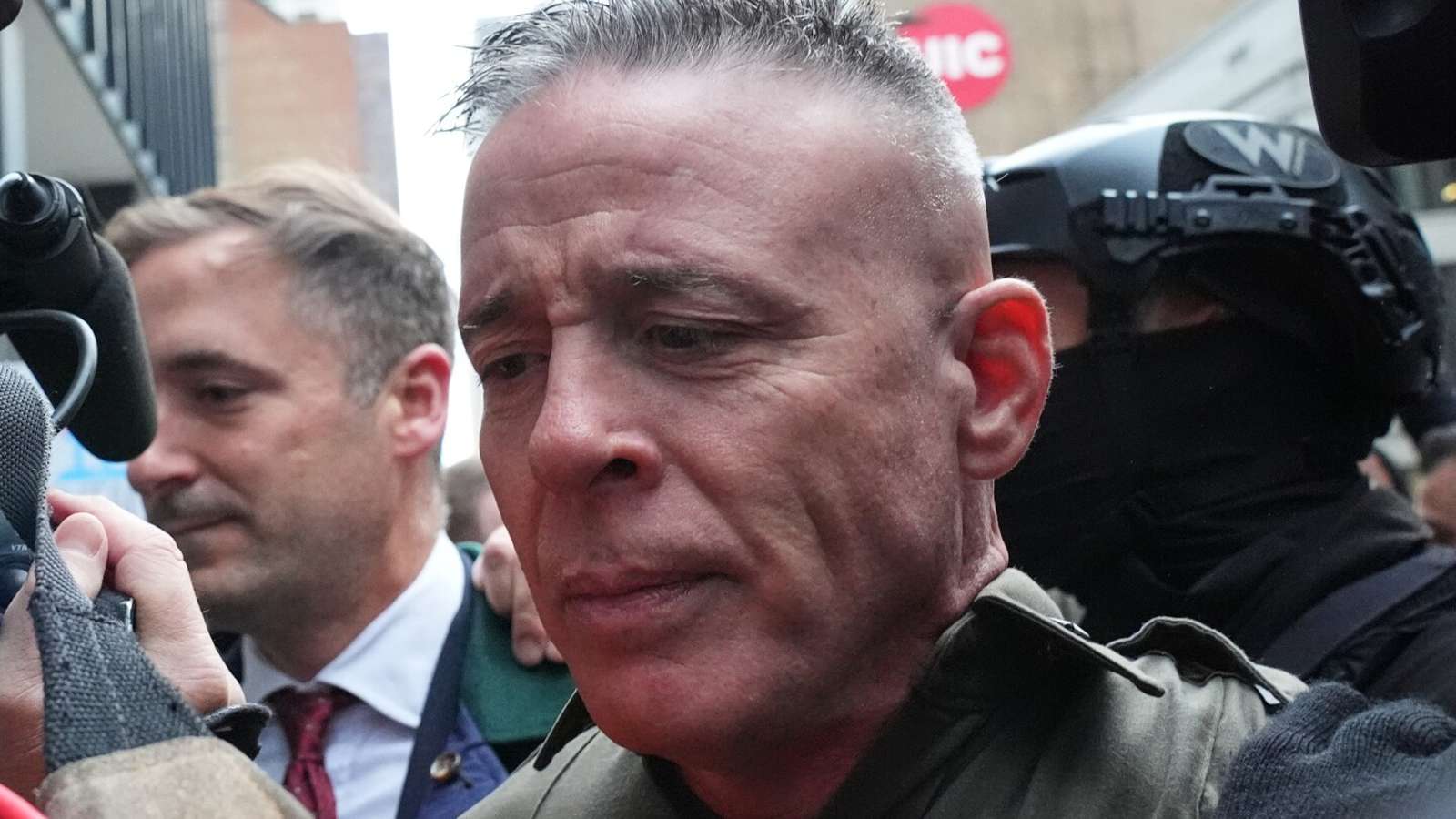
Quick Read
- Judge Sara Ellis ordered Border Patrol official Greg Bovino to meet daily with her after controversial enforcement actions in Chicago.
- Operation Midway Blitz has led to over 1,800 arrests and numerous complaints of excessive force.
- Agents were criticized for deploying tear gas near a children’s Halloween parade.
- Daily meetings and body cameras are now required for accountability.
- Lawsuit filed by news outlets and protesters claims repeated violations of civil rights.
Judge Ellis Orders Daily Oversight After Halloween Parade Tear Gas Incident
In a dramatic move aimed at restoring public trust, U.S. District Judge Sara Ellis ordered Greg Bovino, a senior U.S. Border Patrol official, to report to her daily and disclose the details of each day’s enforcement activities in Chicago. The directive follows weeks of mounting tension between immigration agents and local residents, culminating in a controversial Halloween weekend incident where agents deployed tear gas near a children’s parade on the city’s Northwest Side.
“Children at a Halloween parade do not pose an immediate threat to a law enforcement officer,” Ellis emphasized in court, her words echoing the frustration and disbelief felt by many in the community. The judge’s order came after reviewing video evidence and images showing agents confronting protesters during Operation Midway Blitz—a campaign that has led to more than 1,800 arrests since early September and sparked repeated complaints of excessive force.
Enforcement Tactics Under Scrutiny
Operation Midway Blitz, launched by the Border Patrol in partnership with other federal agencies, was intended to target undocumented migrants and those with outstanding warrants in the Chicago area. However, its execution has drawn sharp criticism. Agents have reportedly used chemical agents on residential streets, disrupted neighborhood gatherings, and arrested U.S. citizens alongside non-citizens. In one incident in Little Village—a historically Mexican enclave—at least eight people were detained, prompting protests and legal action from local advocacy groups.
The controversy deepened when attorneys representing a coalition of news outlets and protesters accused Bovino of violating court orders. They filed images allegedly showing him “throwing tear gas into a crowd without justification” in Little Village. Ellis responded by ordering all use-of-force reports from agents involved in the operation and mandating the use of body cameras during enforcement actions. “You could probably get one easily,” she told Bovino, setting a Friday deadline for him to obtain and train with the device.
Federal Accountability and Public Response
Judge Ellis’s actions reflect a broader concern over federal law enforcement’s conduct in American cities. She clarified her role in court: “My role is not to tell you that you can or cannot enforce validly passed laws by Congress. … My role is simply to see that in the enforcement of those laws, the agents are acting in a manner that is consistent with the Constitution.” The daily meetings are designed to provide real-time oversight and ensure that agents’ tactics align with constitutional standards.
Chicago residents have voiced alarm over the presence of masked agents and unmarked SUVs in their neighborhoods, particularly in wealthier, predominantly white areas on the North Side. Video footage has captured agents deploying chemical agents several times over the past few weeks. The sudden appearance of Border Patrol teams—often associated with border states, not urban centers—has fueled questions about the federal government’s approach to immigration enforcement.
Broader Implications for Immigration Enforcement
Greg Bovino, who leads the Border Patrol sector in El Centro, California, has become a visible figure in the Trump administration’s nationwide immigration crackdown. Prior to Chicago, Bovino oversaw operations in Los Angeles, where agents made thousands of arrests and were criticized for aggressive tactics, including smashing car windows and forcibly entering homes.
Kyle Harvick, deputy incident commander with U.S. Customs and Border Protection, testified that approximately 200 Border Patrol employees are active in the Chicago area. Agents involved in Operation Midway Blitz have been equipped with cameras, though the effectiveness of this measure in curbing excessive force remains uncertain.
Community advocates argue that the federal government’s enforcement strategy is disproportionately impacting immigrant neighborhoods and stoking fear among residents. The use of riot control weapons—especially in settings involving children or peaceful protesters—has become a flashpoint for public debate and legal challenges.
Legal Challenges and the Path Forward
The ongoing lawsuit, brought by news outlets and protesters, seeks to hold federal agents accountable for what they describe as repeated violations of civil rights. The court has already banned agents from using certain riot control techniques against peaceful protesters and journalists. The introduction of daily reporting and mandatory body cameras represents a significant shift toward transparency and oversight, but advocates say more is needed to protect vulnerable communities.
As the hearings continue, Judge Ellis’s commitment to constitutional principles is being tested by the realities of federal enforcement in a diverse, urban environment. The outcome of this case could set a precedent for how federal agencies operate in American cities—balancing the need for law enforcement with the imperative to respect civil liberties.
Judge Ellis’s order for daily meetings and increased oversight underscores a critical juncture in the relationship between federal law enforcement and the communities they serve. As tensions rise over immigration enforcement tactics, the court’s intervention signals that accountability and transparency are no longer optional—they are essential for maintaining public trust and upholding constitutional rights. The challenge now is whether federal agencies can adapt their methods to meet these demands without sacrificing their mission or the safety of the communities they police.