
Quick Read
- Three people, including two teens, were shot in North Lawndale; all are in good condition.
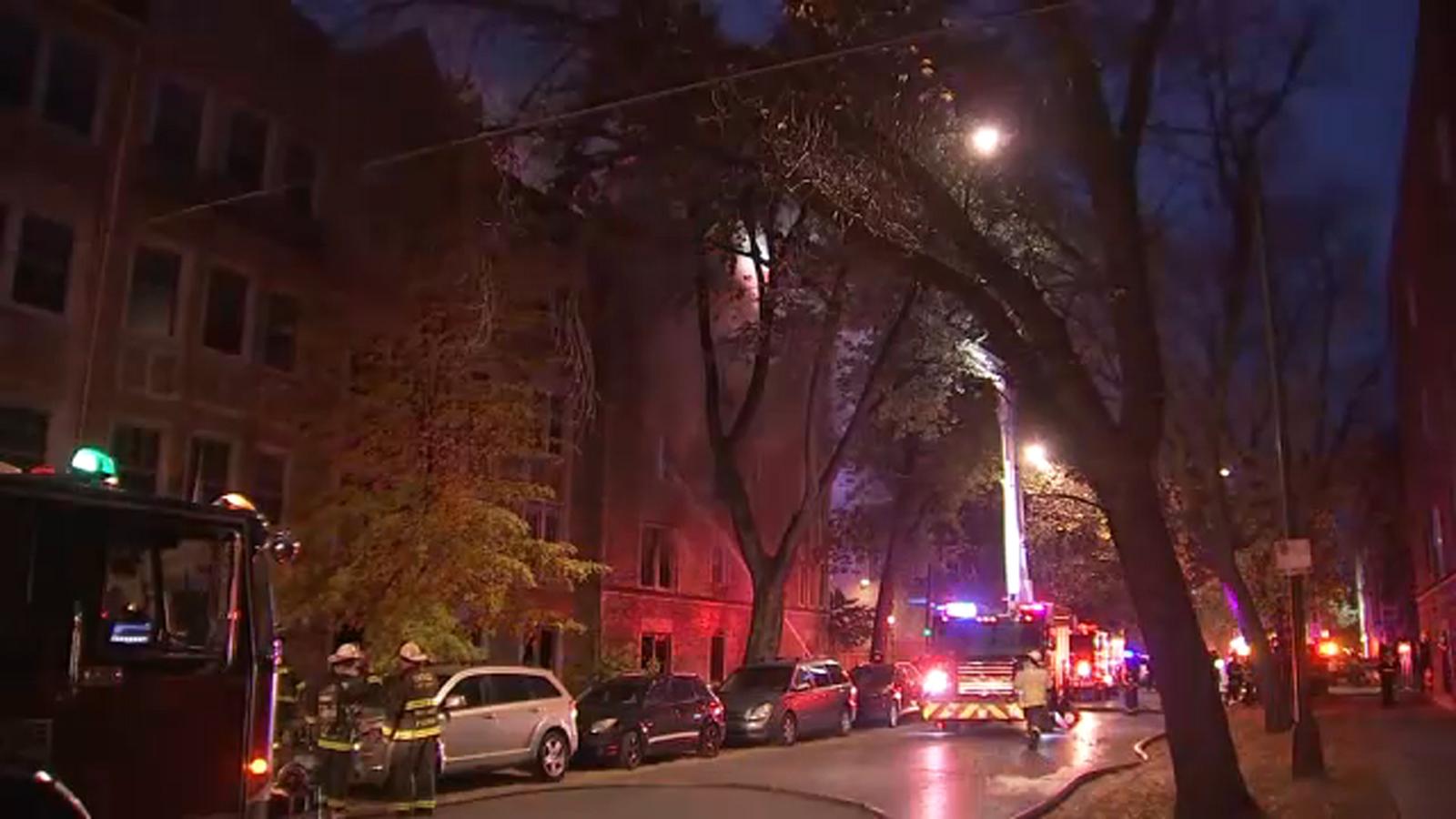
- Chicago firefighters contained a building fire in South Shore; no major injuries reported.
- ICE agents and federal surveillance continue to disrupt daily life in several neighborhoods.
- Political rhetoric shapes Chicago’s national image, often distorting local realities.
- Community response and satire challenge the narrative of Chicago as a war zone.
Chicago’s Image Under Siege: Reality Versus Rhetoric
Chicago, the Windy City perched on the edge of Lake Michigan, has always been a canvas for outsiders’ imaginations. But lately, the city’s image has become a battleground for political narratives and local realities. President Donald Trump’s threats to occupy Chicago with federal forces have materialized: National Guard troops lumbered in from Texas, and ICE agents emerged daily from suburban hideouts, casting a chilling shadow over neighborhoods like Broadview and North Lawndale. The justification for this presence echoes old refrains: Chicago, depicted as a war zone, supposedly needs saving from itself.
But how much truth is there to these images? Online, Chicagoans have responded with satire. Social media fills with mock dispatches from the city’s supposed “killing fields”—pictures of Lincoln Park’s lush greenery labeled “Chaos & Anarchy,” sunlit waterfronts presented as “war-torn.” Governor J.B. Pritzker even donned body armor for a segment on “Jimmy Kimmel Live!,” shouting about “mayhem” on a downtown bridge where life continued undisturbed behind him.
This playful resistance isn’t new. The term “Chiraq” has long been used ironically, undermined by vlogs showcasing the city’s vibrant restaurant scene and peaceful riverfront. For many residents, Chicago is serene and inviting—a place for brunches, concerts, and easy living. But beneath the surface, questions about authenticity persist. Is the “pastoral” image of Chicago just another illusion, designed to soothe outsiders and perpetuate a fantasy of American safety?
Federal Surveillance and Everyday Threats
The reality for many Chicagoans, especially in marginalized neighborhoods, is far more complex. While some areas thrive, others face daily disruptions from federal surveillance and enforcement. ICE patrols have become a fixture, especially near schools, stoking fear and uncertainty. The rhetoric of “public safety” is broadcast relentlessly, often overshadowing the human cost.
Take the recent incident in Franklin Park, where an ICE officer shot and killed Silverio Villegas González, a Mexican immigrant, during a traffic stop after he’d dropped his sons at school. Official accounts claimed he tried to flee and injured an agent, but no footage supports this, and the agent’s wounds were later described as “nothing major.” Villegas González’s death, like so many others, underscores the exclusionary logic of American family rhetoric: politicians and agencies cloak their missions in language of “fathers and mothers, sons and daughters,” yet often deny that status to immigrants and outsiders.
ICE’s presence is felt in subtler ways too. A parent told ABC News that children in their neighborhood had stopped playing outside due to the constant patrols. Helicopters overhead have become an everyday soundtrack, and local forums buzz with debates about how much vigilance is enough—and when it becomes too much.
Local Incidents: Shooting in North Lawndale and a South Shore Fire
Against this backdrop, Chicago’s own struggles with violence and disaster continue. Early on Saturday morning in North Lawndale, three people—including two teenagers—were shot and injured during an argument outside a gathering. According to Fox32 Chicago, the victims were two 19-year-old men and a 28-year-old man, all struck in the leg or shin. They were taken to Mt. Sinai Hospital in good condition, but the shooter fled and remains at large.
Meanwhile, in the South Shore neighborhood, Chicago firefighters battled a building fire at 7558 S Kingston Avenue. Crews blocked streets to contain the blaze, and, as reported by ABC7 Chicago, no major injuries occurred. The cause of the fire remains unclear, but the incident highlighted the city’s capacity for rapid response and community resilience.
The Lie of the American Pastoral: Whose Security, Whose Family?
Chicago’s struggle isn’t just about crime or enforcement; it’s about the stories that get told—and those that don’t. The “American Dream,” once synonymous with safety and dignity, now rings hollow for many. The Department of Homeland Security, armed with massive budgets and slick propaganda, deploys “Cops”-style clips and meme-like posts showing ICE in action, painting a picture of patriotic protection. These images, often illustrated with Norman Rockwell-esque scenes of white, Christian families, exclude as much as they reveal.
Artworks by Thomas Kinkade and others, posted by DHS, evoke a world that never existed: pastel visions of safe streets and perfect homes. But as the New Yorker’s reporting makes clear, these are contrived idylls, manufactured to comfort some while excluding others. Kinkade’s own life, marked by scandal, stands in ironic contrast to his wholesome brand.
Even language itself becomes a tool for exclusion. When $1 Obama referenced “Israeli families” but not “the people of Gaza,” he unwittingly echoed the selective sympathy at the heart of American politics. The rhetoric of family is used to justify policies that break families apart, as in the case of ICE raids and deportations. Those deemed outside the law are denied the dignity and safety supposedly guaranteed to all.
Community as Resistance: Beyond the Nuclear Family
Yet amid surveillance, violence, and political theater, Chicago’s communities persist. The city’s cacophony—the warnings, the debates, the everyday acts of solidarity—stands as a testament to something older and tougher than the fragile ideal of the American family. Residents warn each other of danger, debate strategies for protection, and band together in moments of crisis.
This sense of community, though often dismissed as a cliché, remains vital. It’s not just about resisting federal overreach or mocking sensational headlines. It’s about reclaiming the narrative, insisting on nuance, and refusing to be reduced to caricature. Chicago’s beauty is real, but so is its complexity. The city cannot be understood through memes or propaganda alone.
Chicago’s story, at its heart, is a story of contradiction—a city at once serene and turbulent, surveilled and self-aware, mocked and defended by its own people. The struggle for authenticity, for safety, and for dignity unfolds daily, not in the idyllic scenes of political fantasy but in the lived realities of its neighborhoods. As federal rhetoric grows louder, the true Chicago responds not with silence, but with a chorus of voices determined to define their own future.