
Quick Read
- Child malnutrition rates in Sudan have doubled, particularly in North Darfur, amid ongoing conflict.
- UNICEF reported that over 40,000 children were treated for severe malnutrition from January to May 2025.
- Access to humanitarian aid is severely restricted due to attacks on convoys and intensified fighting.
- Malnutrition cases have also surged in Khartoum and Al-Jazira, highlighting nationwide impacts.
The humanitarian crisis in Sudan continues to escalate as the conflict between the Sudanese Armed Forces (SAF) and the paramilitary Rapid Support Forces (RSF) wreaks havoc across the nation. Since the outbreak of violence in April 2023, tens of thousands have been killed, and over 14 million people have been displaced. Among the most affected are children, with malnutrition cases surging to alarming levels, particularly in North Darfur.
Alarming Rise in Malnutrition Rates
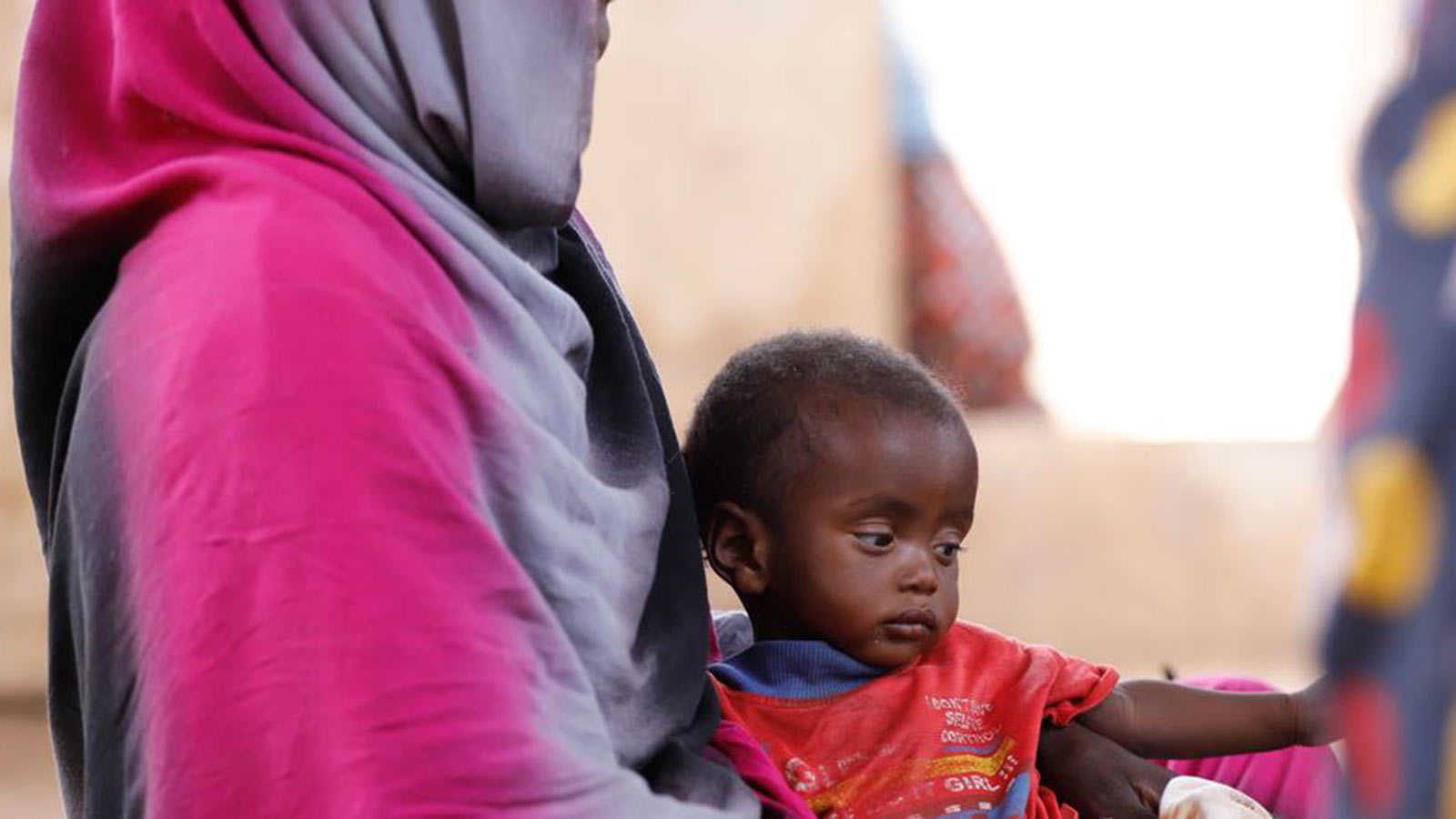
On Friday, July 11, 2025, UNICEF reported that the number of children suffering from severe acute malnutrition in North Darfur has doubled compared to the same period last year. Between January and May 2025, more than 40,000 children were admitted for treatment in the region, a stark increase from the previous year. Across the five Darfur states, malnutrition cases rose by 46% in the first five months of 2025, illustrating the devastating impact of the ongoing conflict on vulnerable populations.
UNICEF’s Sudan representative, Sheldon Yett, underscored the severity of the crisis, stating, “Children in Darfur are being starved by conflict and cut off from the very aid that could save them.” The situation in El-Fasher, the last major city in Darfur under army control, is particularly dire. Nearly 40% of children under five in the city are suffering from acute malnutrition, with 11% classified as severe cases. Hospitals have been shelled, aid convoys attacked, and humanitarian access almost entirely blocked, further compounding the crisis.
Nationwide Impact
The malnutrition crisis is not confined to Darfur. UNICEF highlighted significant increases in severe acute malnutrition in other battlegrounds as well. Cases in North Kordofan state rose by over 70%, while the capital Khartoum saw a staggering 174% increase. The central state of Al-Jazira reported nearly a seven-fold surge in malnutrition cases. Despite the army’s recapture of Khartoum and Al-Jazira earlier this year, the humanitarian situation remains dire, with the country effectively split between SAF-controlled regions in the east, north, and center, and RSF-held territories in Darfur and parts of the south.
Historical Context and Ongoing Challenges
The roots of the current crisis can be traced back to decades of political instability and conflict in Sudan. The war that erupted in April 2023 has only exacerbated pre-existing vulnerabilities, plunging the nation into one of the worst humanitarian crises in its history. According to Arab News, famine was declared last year in three large displacement camps near El-Fasher, highlighting the prolonged suffering of displaced communities.
Efforts to deliver humanitarian aid have been fraught with challenges. Aid convoys face constant threats from armed groups, and access to conflict zones remains severely restricted. The UN has repeatedly called for safe and unhindered humanitarian access, but the situation on the ground remains precarious. The ongoing conflict has also disrupted agricultural activities, further exacerbating food insecurity and malnutrition.
Urgent Need for Global Action
The international community must act swiftly to address the unfolding crisis in Sudan. UNICEF and other humanitarian organizations have emphasized the need for increased funding and support to provide life-saving aid to affected children and families. Sheldon Yett’s warning serves as a stark reminder of the stakes: “Without immediate intervention, the lives of countless children hang in the balance.”
As the conflict shows no signs of abating, a concerted effort is required to negotiate ceasefires, ensure the safety of humanitarian workers, and deliver aid to those in need. The plight of Sudan’s children is a humanitarian emergency that demands urgent attention and action from global leaders and organizations.
The situation in Sudan underscores the devastating human cost of conflict and the urgent need for peace and stability in the region.