
Quick Read
- Mandela Barnes, leading candidate for Wisconsin governor, pledges universal childcare and expanded BadgerCare.
- A Kentucky daycare faces a lawsuit alleging staff forced children to spit on and throw balls at classmates as punishment.
- The abuse at the Kentucky center went unreported for six months and led to PTSD diagnoses in affected children.
- Both stories highlight urgent gaps in childcare affordability, access, and oversight across the U.S.
Childcare has long been both a lifeline and a battleground for American families. As 2025 draws to a close, a pair of stories—one of political promise, the other of parental heartbreak—have reignited calls for sweeping reform and more vigilant oversight in the sector.
Policy Push: Mandela Barnes’ Universal Childcare Vision
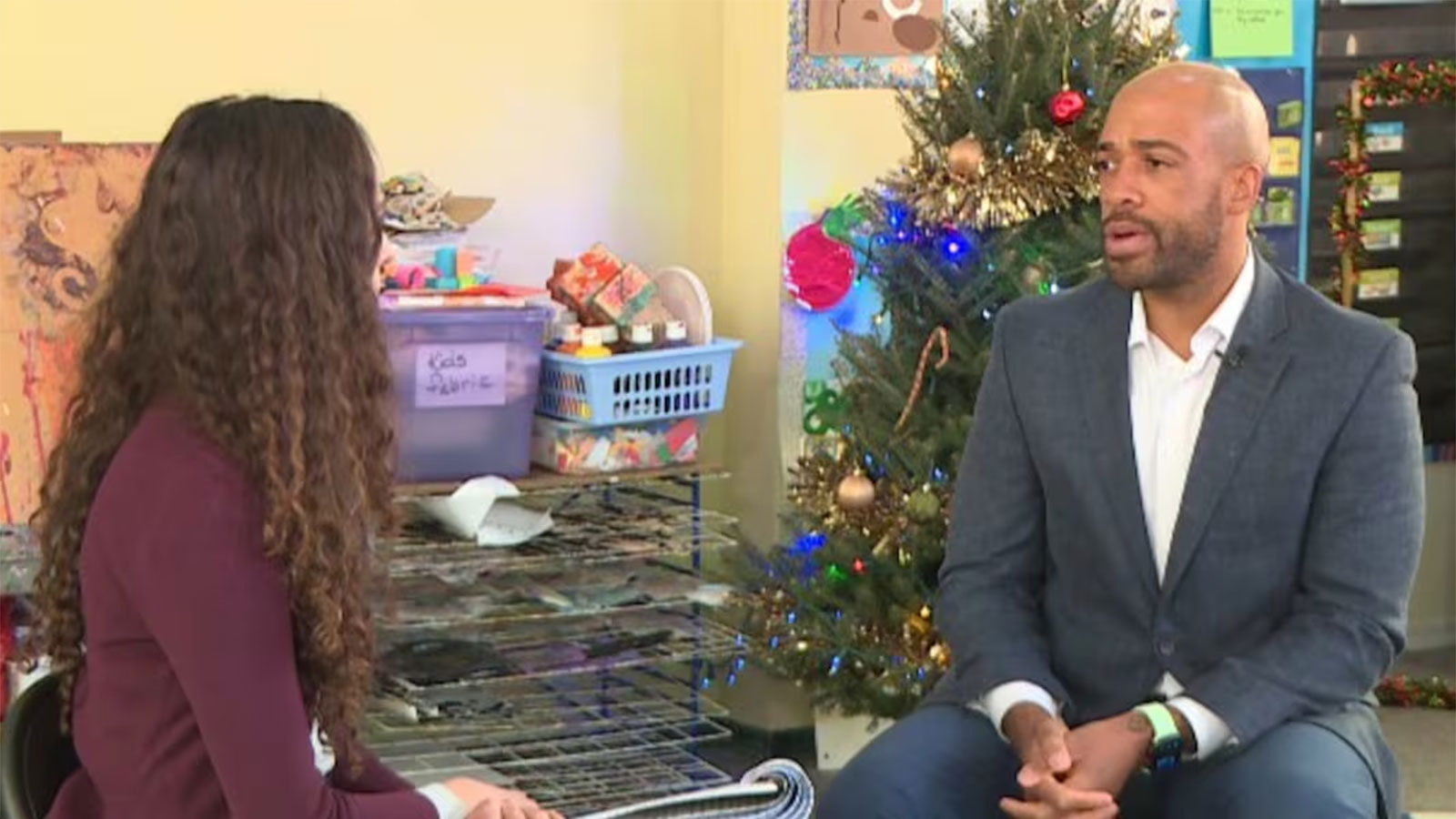
In Wisconsin, former Lieutenant Governor Mandela Barnes has catapulted childcare into the political spotlight. At a recent roundtable with providers, Barnes didn’t mince words: “We’re in a crisis moment,” he declared, pledging to prioritize affordability and access for working families if elected governor. His boldest promise? Universal childcare—a move he frames as essential for economic stability and opportunity.
Barnes, who narrowly lost a 2022 Senate race, positions his campaign as a direct response to the hardships facing everyday Wisconsinites. Speaking to WSAW, he outlined a plan to expand BadgerCare (the state’s Medicaid program) and to close tax loopholes that favor the wealthy, channeling savings into social support systems like childcare.
But the road to reform is steep. Barnes faces political opponents eager to brand him as too progressive, and lingering skepticism from some in his own party. Yet, he insists, “It’s not about left or right. This is about who’s going to do the work to improve life for everybody.” For Barnes, universal childcare isn’t just a talking point—it’s a rallying cry for a fairer, safer future for Wisconsin’s children.
Alarming Allegations: Kentucky Daycare Faces Lawsuit Over Abuse
While policymakers debate solutions, real families are confronting the system’s failures firsthand. In Ashland, Kentucky, a daycare center stands accused of inflicting trauma on the very children it was meant to nurture. According to a lawsuit filed in December 2025, employees at the Child Development Center Corporation (CDCC) subjected preschoolers to punitive acts that defy belief.
The details, as reported by FOX 56 News, are deeply troubling. In one instance from August 2024, a teacher allegedly forced a three-year-old to stand as classmates lined up to spit on him—an act captured on security cameras but not reported to authorities for six months. When finally notified, the child’s mother withdrew him from the center; he was later diagnosed with post-traumatic stress disorder.
The lawsuit describes other disturbing practices: children allegedly forced to stand against a wall while teachers or peers threw balls at them, a punishment nicknamed “dodgeball.” Several parents only learned of the abuse after a year-long state investigation. The accused employees and the center now face 13 counts, including negligence, assault, and emotional distress, with a criminal investigation still underway.
Why weren’t these incidents reported sooner? Employees cited uncertainty about whether spit made contact—an explanation unlikely to comfort affected families. Even more unsettling, management reportedly viewed the footage soon after the event but failed to notify parents or law enforcement until much later.
National Reckoning: Systemic Gaps and Parental Trust
Together, these two stories paint a portrait of a childcare system at a crossroads. On one hand, leaders like Barnes argue for expanding access and affordability, positioning childcare as a public good on par with K-12 education. On the other, the Kentucky case exposes a darker reality: when oversight fails, the consequences for children and families can be devastating.
These are not isolated incidents. Across the country, parents face waitlists, rising costs, and—far too often—uncertainty about their children’s safety. The U.S. Department of Health and Human Services sets strict standards for reporting and responding to suspected abuse, but enforcement varies by state and facility. As the Kentucky lawsuit reveals, even with regulations on the books, accountability can fall through the cracks.
The Stakes for Families and Providers
For families, the stakes couldn’t be higher. Reliable, affordable childcare enables parents to work, pursue education, and support their households. But every allegation of abuse or neglect chips away at the fragile trust that underpins the entire sector. In the words of one affected Kentucky parent, learning the truth was “too graphic” to bear—an indictment not just of a single daycare, but of the system’s capacity to protect its most vulnerable members.
Providers, too, are caught in the crosshairs. Many operate on razor-thin margins, struggling to recruit and retain qualified staff while complying with a patchwork of local and federal regulations. Advocates warn that without robust public investment—the kind proposed by Barnes—both quality and accessibility will continue to erode, leaving more families with impossible choices.
What Comes Next?
The future of childcare in America remains uncertain. Political will for reform appears to be growing, with high-profile candidates pledging transformative change. Yet, as the Kentucky case illustrates, policy alone cannot substitute for vigilant oversight and a culture of accountability within every facility.
For now, parents, providers, and policymakers alike are left asking: Who will ensure that every child is safe, nurtured, and given the foundation they deserve? The answer, it seems, depends not only on new laws or funding, but on a collective commitment to transparency, enforcement, and care at every level of the system.
The juxtaposition of policy ambition and harrowing abuse allegations underscores a sobering reality: until America fully confronts both access and accountability in childcare, promises of reform will ring hollow for too many families. Only a comprehensive approach—combining investment, oversight, and cultural change—can restore faith in a system that shapes the nation’s future.