
Quick Read
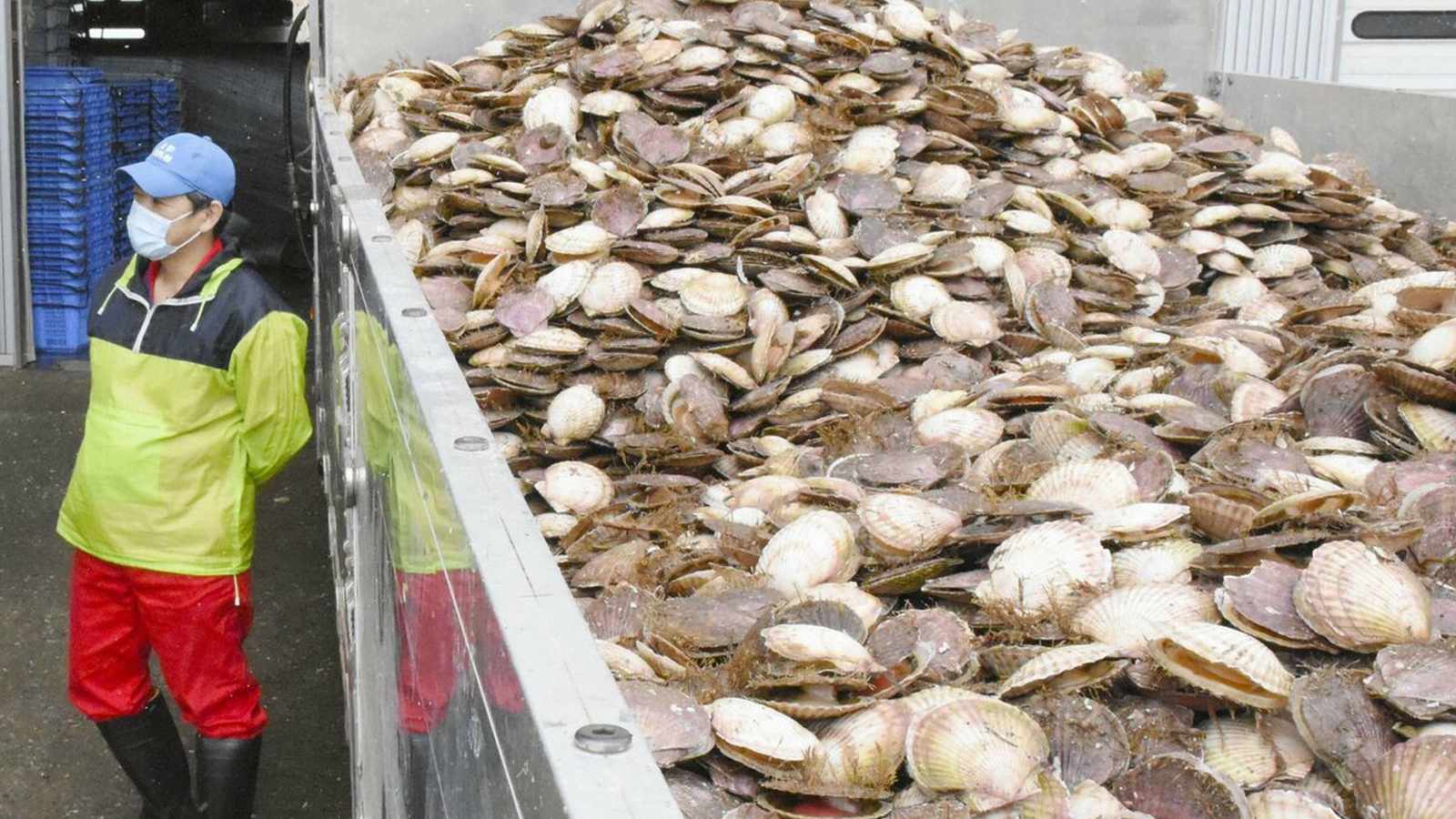
- China reimposed a suspension on Japanese seafood imports in November 2025, citing both technical and political reasons.
- The move follows Japanese Prime Minister Sanae Takaichi’s remarks that a Chinese attack on Taiwan could trigger Japan’s military response.
- China’s market accounts for over 20% of Japan’s seafood exports; Japanese companies report sharp losses.
- Tourism, cultural exchanges, and entertainment have also suffered, with travel warnings and canceled events.
- Diplomatic talks have failed to resolve the dispute, and tensions remain high.
China’s Seafood Ban: Trade Weapon in a Diplomatic Storm
In late 2025, China reimposed a suspension on Japanese seafood imports, reigniting a major flashpoint in East Asian trade and diplomacy. The move, confirmed by multiple sources including Kyodo News, Al Jazeera, and The Guardian, comes as tensions between Beijing and Tokyo spike over recent remarks by Japanese Prime Minister Sanae Takaichi regarding Taiwan’s security status.
At the heart of the dispute lies Takaichi’s assertion in Japan’s parliament: she declared that any Chinese attack on Taiwan would represent a “situation threatening Japan’s survival,” opening the door to possible Japanese military intervention. For Beijing, Taiwan’s status is a fiercely protected ‘red line,’ and Takaichi’s comments were seen not just as diplomatic provocation but as a direct challenge to China’s sovereignty claims.
In the days that followed, Chinese officials issued near-daily rebukes. State media denounced Takaichi’s “erroneous remarks,” and Foreign Ministry spokesperson Mao Ning warned that “under the current circumstances, even if Japanese seafood were exported to China, there would be no market for it.” This veiled threat quickly materialized into action: Chinese authorities informed Japan they were suspending all seafood imports, just weeks after lifting a previous ban that dated back to August 2023, when Tokyo began releasing treated wastewater from the Fukushima nuclear plant into the Pacific.
Economic Ripples: Trade, Tourism, and Cultural Fallout
The impact of China’s move is already rippling through Japan’s economy. Before the ban, the Chinese market (including Hong Kong) accounted for over a fifth of Japanese seafood exports. Japanese tour operators and exporters are reporting steep losses: East Japan International Travel Service, a Tokyo-based firm, said it had lost 70% of its bookings for the remainder of the year. “We can withstand a short-term impact of one to two months, but if the situation becomes prolonged, the financial strain on our operations will be significant,” said vice president Yu Jinxin to CNN.
Japanese companies aren’t just losing out in seafood. Tourism is suffering as well. Following China’s travel advisory against visiting Japan, nearly a dozen airlines—including Air China and China Eastern—offered refunds or free changes on tickets. Official figures show 7.5 million Chinese travelers visited Japan between January and September 2025, making them the largest group of foreign visitors. Now, hundreds of thousands of cancellations are reported, and shares of Japanese retail and tourism stocks have plummeted.
The chill extends to cultural exchange. China has postponed the release of two Japanese films and suspended several cross-cultural events. State-owned enterprises have reportedly instructed employees not to travel to Japan. The message is clear: this dispute is more than words—it’s reshaping the daily interactions between two of Asia’s largest economies.
Diplomatic Deadlock: Dialogue Without Progress
Efforts to defuse the crisis have, so far, failed to produce meaningful results. Japan’s top Asia-Pacific diplomat, Masaaki Kanai, traveled to Beijing for talks with his Chinese counterpart, Liu Jinsong. But, as reported by Al Jazeera, the atmosphere was frosty: footage showed Liu refusing to shake Kanai’s hand, and Chinese officials described themselves as “very dissatisfied” with the meeting’s outcome.
China’s Foreign Ministry maintains that Japan has not provided the “technical documentation” promised to ensure the safety of seafood following the Fukushima water release. Japan, meanwhile, denies receiving formal notification of the seafood ban and insists its export standards meet international safety requirements. Talks to restart Chinese beef imports from Japan, stalled since the 2001 mad cow disease outbreak, have also been canceled.
The spat has spilled into public rhetoric, with Chinese diplomats making unusually sharp statements. The Chinese consul general in Osaka posted—then deleted—a threat referencing Prime Minister Takaichi. Beijing also publicly questioned Japan’s suitability for a permanent seat on the UN Security Council, citing the recent remarks as evidence.
Context: Taiwan’s Central Role in Sino-Japanese Relations
This latest flare-up is rooted in the complex history and geopolitics of the region. Communist-led China and democratic Taiwan have been governed separately since the civil war split in 1949. Beijing insists Taiwan is a breakaway province, while Japan, under postwar constitutional constraints, has traditionally avoided direct confrontation over the island’s status. Previous Japanese leaders have steered clear of suggesting military involvement, mindful of China’s role as Japan’s largest trading partner.
Prime Minister Takaichi, however, has taken a more assertive stance. Earlier in 2025, she visited Taiwan and advocated for closer defense cooperation—actions that drew Beijing’s ire even before her parliamentary comments. During the APEC summit, she met both Taiwan’s representative and Chinese President Xi Jinping, reinforcing her support for “peace and stability across the Taiwan Strait.”
China’s response has been multifaceted: economic, symbolic, and military. Beyond the seafood ban and travel warnings, China sent coast guard vessels through disputed waters around the Senkaku Islands and military drones near Japan’s Yonaguni Island—moves seen as both a signal of displeasure and a test of Japanese resolve.
Looking Ahead: Uncertain Path for Bilateral Relations
As of November 2025, the dispute shows no signs of abating. Both sides remain entrenched, with China demanding a retraction of Takaichi’s remarks and Japan standing firm on its security policies. The economic fallout—trade losses, canceled tourism, and suspended cultural ties—may well deepen if a diplomatic breakthrough proves elusive.
For now, the seafood ban stands as a stark symbol of how political tensions can swiftly upend the flow of goods, people, and ideas across borders. What began as a parliamentary exchange has escalated into one of the most consequential Sino-Japanese standoffs in recent years, with implications reaching far beyond the dinner table.
China’s use of trade restrictions as leverage in diplomatic disputes is not new, but the scale and speed of this latest action highlight how intertwined political and economic interests have become in the region. With both sides facing internal pressures and regional uncertainty, the risk is that pragmatic solutions are overshadowed by rhetoric and retaliation—leaving businesses, travelers, and citizens caught in the crossfire.