
Quick Read
- China launched its first emergency space mission after a cracked window was found on Tiangong’s Shenzhou-20 capsule.
- Uncrewed Shenzhou-22 docked successfully, delivering supplies and a repair kit.
- Preparation for the launch took just 16 days, highlighting urgency.
- Shenzhou-22 will serve as the lifeboat for the current crew, staying docked until April 2026.
- The cracked Shenzhou-20 will be repurposed for research at the station.
Tiangong Faces Crisis: A Crack That Changed Everything
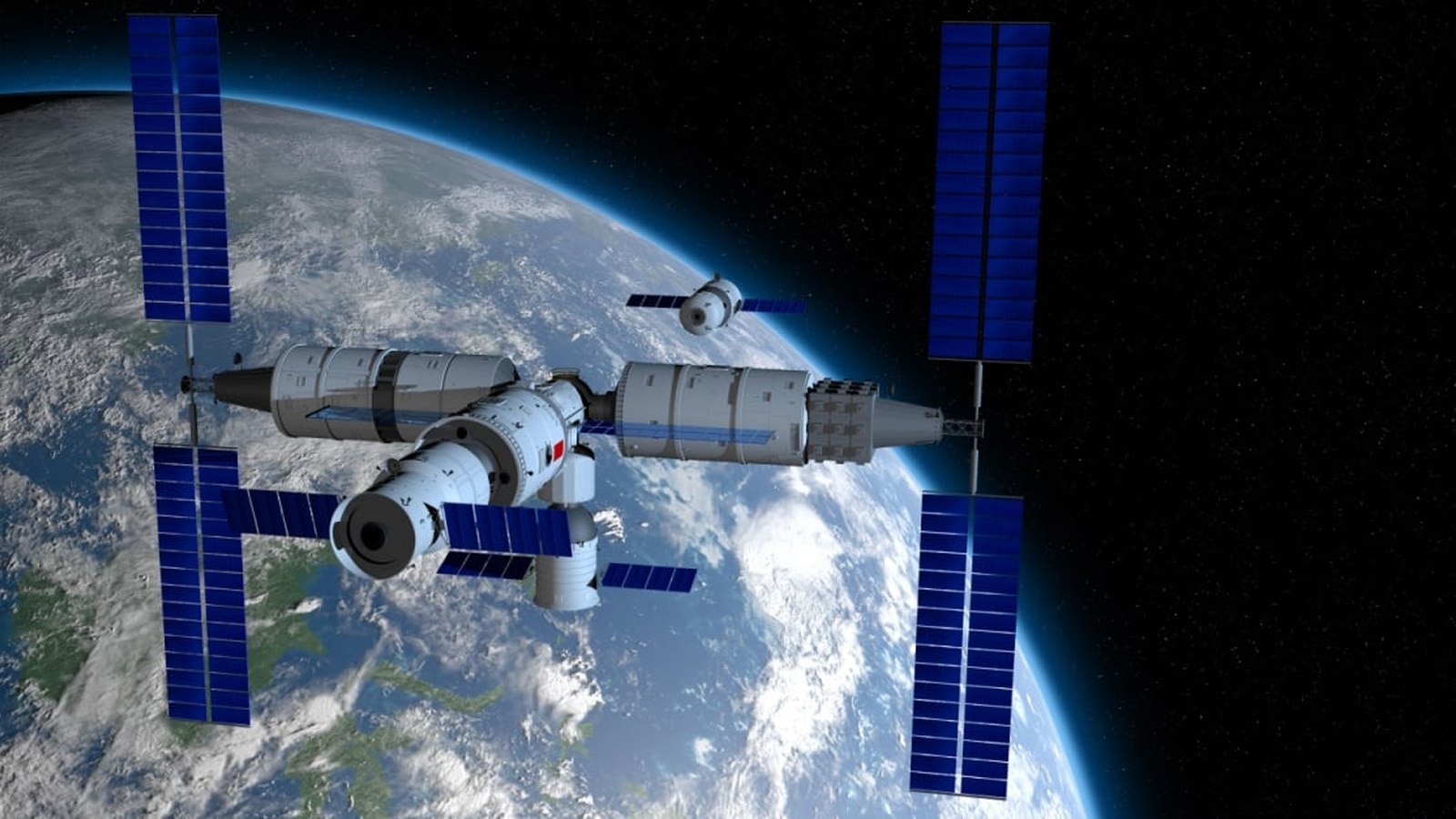
The drama began quietly, with a routine safety check. On November 5, 2025, China’s Shenzhou-20 spacecraft, docked at the Tiangong space station, was slated to bring three astronauts home. Instead, engineers discovered a crack in one of its return capsule’s windows—a small but menacing flaw, likely caused by a collision with space debris. This single crack transformed a scheduled journey into a high-stakes rescue mission, thrusting China’s space program into the international spotlight and testing its emergency protocols like never before.
Race Against Time: Shenzhou-22’s Unprecedented Launch
In response to the threat, China’s Manned Space Agency (CMSA) made a historic decision: launch an uncrewed lifeboat to Tiangong. Shenzhou-22, originally planned for 2026, had been kept on standby—a precaution that now proved prescient. On November 25, at 4:11 am UTC, Shenzhou-22 blasted off atop a Long March-2F rocket from the Jiuquan Satellite Launch Center in northwest China. As video from CCTV showed, the rocket lit up the early morning sky, its payload carrying more than just supplies—it carried the hopes of three astronauts and the reputation of China’s space program.
Preparation for this emergency mission was swift and decisive. In just 16 days—less than half the typical 45-day timeline—engineers and mission planners readied Shenzhou-22 for flight. The capsule was packed with vital cargo: medical supplies, fresh food, spare station parts, and crucially, a repair kit for the cracked window. CMSA official He Yuanjun described the launch as “a first for China, but I hope it will be the last in humanity’s journey through space.”
A Lifeboat Arrives: Safety Restored for Tiangong Crew
Within hours of launch, Shenzhou-22 docked successfully with Tiangong. For the three Shenzhou-21 astronauts, relief arrived not just in the form of fresh supplies but as a safe passage home. Their original lifeboat—the now-damaged Shenzhou-20—was deemed too risky. While an emergency return using the cracked capsule was technically possible, mission controllers feared catastrophic depressurization. Pressure suits might have protected the crew, but the risk of vehicle failure and loss of life was deemed unacceptable. Instead, the Shenzhou-21 crew would eventually return to Earth aboard Shenzhou-22, which will remain docked until April 2026.
The damaged Shenzhou-20, now repurposed for research, serves as a stark reminder of the dangers lurking in low Earth orbit. Space debris—fragments from past missions, defunct satellites, and even paint chips—poses constant threats to astronauts and hardware alike.
Global Lessons: Standardization and Rescue in Human Spaceflight
The Tiangong emergency highlights the universal risks of crewed spaceflight. China’s rapid response echoes earlier incidents: NASA’s near-rescue of Skylab, Russia’s Soyuz coolant leak, and Boeing’s Starliner crew needing a SpaceX Dragon to return safely after their own capsule was compromised. Each event has pushed agencies to rethink backup plans and international cooperation.
Without Shenzhou-22 on standby, China might have faced the same agonizing questions as its predecessors: How do you retrieve stranded astronauts when the lifeboat fails? The incident has reignited calls for greater standardization and shared contingency planning in human spaceflight—because in orbit, the margin for error is razor thin, and every nation’s protocols can influence outcomes for all.
Impact on China’s Space Ambitions
The full repercussions of this emergency are still unfolding. Shenzhou-22’s successful docking restored immediate safety, but the episode may prompt revisions to future mission planning, debris mitigation, and capsule design. The planned 2026 long-duration mission may see additional safety measures. Meanwhile, the swift resolution has drawn praise from global observers, demonstrating both the vulnerability and resilience of modern space programs.
China’s Tiangong station continues its operations, with astronauts relying on international best practices and lessons learned from every close call. As the repurposed Shenzhou-20 capsule undergoes research, its cracked window remains a symbol of both danger and determination—a reminder that in space, even the smallest flaw can trigger the largest response.
This emergency at Tiangong reveals the critical importance of preparedness and rapid response in space operations. By acting decisively, China not only safeguarded its crew but also set a new benchmark for emergency protocols. The incident may well accelerate international efforts toward standardization, as every nation faces the same unforgiving environment above Earth. Ultimately, such close calls remind us that while human ingenuity can solve most problems, the cosmos demands constant vigilance and cooperation.