
Quick Read
- China imposed tighter export controls on rare earth minerals and technologies in October 2025.
- The new measures aim to ensure compliance, not ban exports, with licenses granted for eligible applications.
- Rare earths are critical for high-tech products and military equipment; China supplies over 90% of the world’s processed rare earths.
- Taiwan’s chip industry reports minimal impact, but hardware sectors may face downstream supply chain friction.
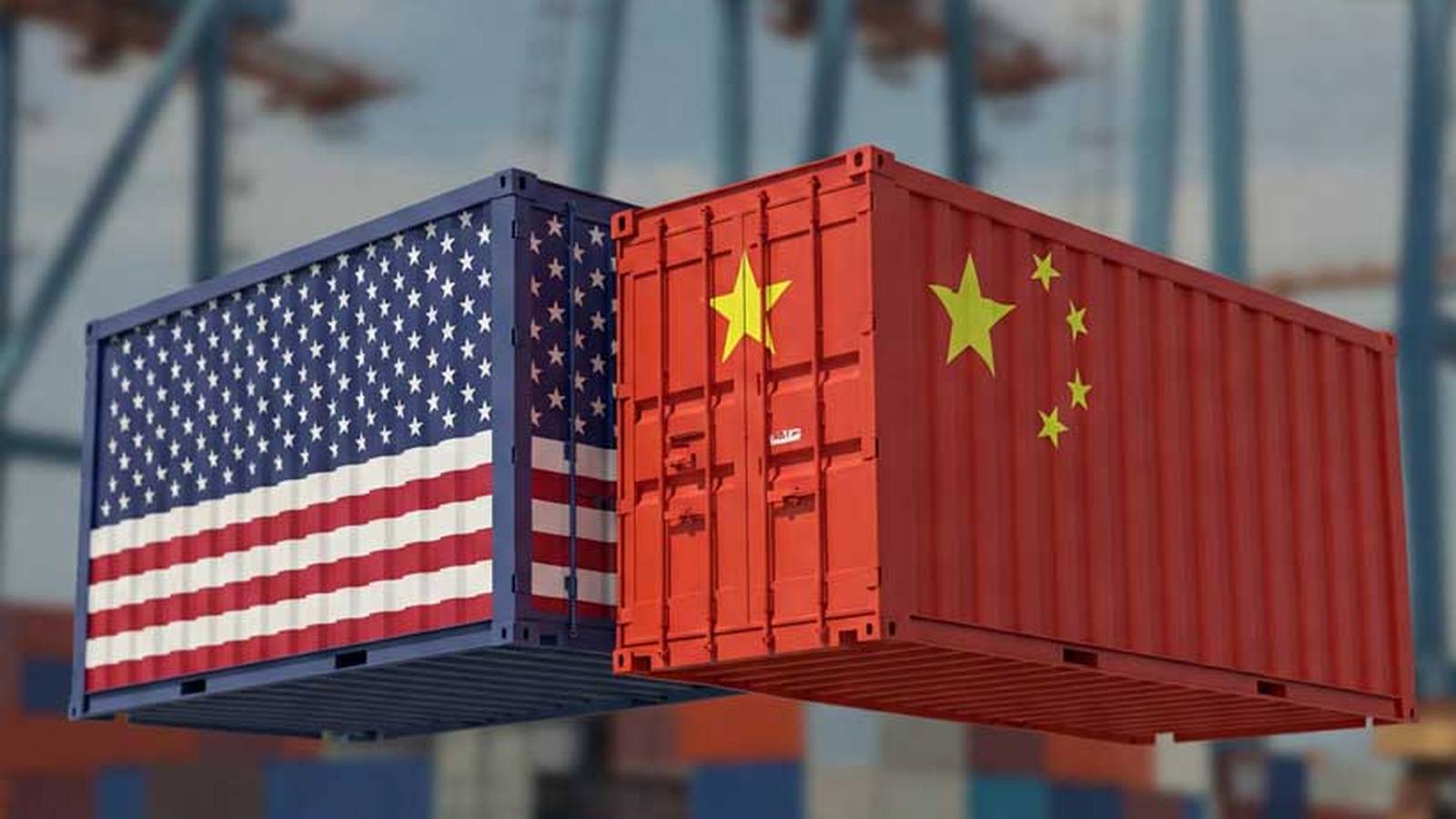
- U.S. responded with 100% tariffs on Chinese goods and new export controls, increasing trade tensions.
China’s Rare Earth Policy: Securing Supply Chains Amid Global Uncertainty
When China announced its latest round of export controls on rare earth minerals and associated technologies, the world took notice. In a time marked by supply chain shocks and geopolitical tension, the move signals a recalibration of global trade dynamics, especially in sectors where rare earths are indispensable. Officials in Beijing emphasize that these measures are not designed to halt exports, but to ensure compliance and stability in international trade. The Ministry of Commerce has publicly stated that eligible applications will receive licenses, aiming to maintain legal transparency and continued flow of goods.
Rare earth minerals—comprising 17 elements—form the backbone of modern technology. From the smartphones in our pockets to the wind turbines on the horizon, and even the fighter jets that patrol international airspace, these materials are embedded in the fabric of contemporary life. According to chinadaily.com.cn, China’s cumulative rare earth exports reached 44,355 metric tons in the first eight months of 2025, a 14.5% increase year-on-year. China’s role as the key processor and supplier of rare earths gives it a unique position and responsibility in the global supply chain.
Military Applications and Compliance Pressure: The Strategic Angle
Beyond consumer electronics, rare earths play a critical role in military technology. Medium and heavy rare earth elements are essential for advanced weaponry, guidance systems, and communications equipment. Against a backdrop of persistent global conflicts, Chinese officials stress that export controls are necessary for upholding peace, stability, and non-proliferation. By tightening regulations, Beijing seeks to limit the military risks associated with unrestricted access to these strategic materials.
Analysts like Zhou Mi from the Chinese Academy of International Trade and Economic Cooperation argue that China’s export controls have reshaped the landscape of rare earth trade, introducing higher compliance standards for Western entities, particularly those in the defense sector. As Zhou notes, these changes may help reduce global military risks by curbing unchecked flows of critical resources.
Interestingly, China’s measures have not been matched with reciprocal tariffs on U.S. goods, despite the escalation of American protectionist policies. Instead, the Chinese commerce ministry has framed its actions as a response to U.S. restrictions, such as adding Chinese firms to trade blacklists and imposing new port fees. The ministry maintains that dialogue, not tariffs, should be the path forward, stating, “Willful threats of high tariffs are not the right way to get along with China.”
Ripple Effects: From Tech Giants to Toy Makers
The reverberations of China’s export controls are felt far beyond the rare earth mines. Companies like Ningbo Merryart Glow-tech, a major toy manufacturer, report that American partners are struggling with policy instability and logistical uncertainty. Lu Minglang, the company’s chairman, notes that resources once devoted to research and development are now redirected toward managing tariff swings and supply chain snags. The company’s exports to the U.S. grew by more than 20% in the first eight months of 2025, yet the future remains clouded by unpredictability.
The European Union Chamber of Commerce in China has expressed commitment to maintaining open lines of communication. Jens Eskelund, its president, highlighted ongoing efforts to facilitate rare earth exports to European companies, emphasizing the importance of dialogue in safeguarding industrial and supply chain security.
Meanwhile, the U.S. has responded with its own set of measures, including a 100% tariff on imports from China and export controls on critical American-made software. According to Modern Diplomacy, these steps have stoked concern on Wall Street and cast a shadow over a planned summit between President Trump and President Xi Jinping. The shifting landscape of tariffs and controls threatens the stability necessary for substantive, long-term agreements between the world’s two largest economies.
Taiwan’s Semiconductor Sector: A Case Study in Adaptation
While the semiconductor industry might seem vulnerable to rare earth supply disruptions, Taiwan’s Ministry of Economic Affairs has assured that its chip sector will see “no significant impact” from China’s expanded export controls, as reported by Reuters. Most of the heavy rare earths targeted by Beijing are not used in wafer production by leading firms like TSMC. Taiwan sources the bulk of its rare earth derivatives from allies in Europe, Japan, and the United States, lessening its dependence on Chinese supply.
However, the story doesn’t end there. The PC hardware sector, including hard drives, relies heavily on high-performance magnets doped with heavy rare earths. As China tightens licensing regimes and broadens the scope of controlled materials, friction is likely to build downstream. Vendors of components such as voice-coil actuators and spindle motors could feel the pinch, as licensing delays and regulatory hurdles accumulate.
This nuanced impact underscores the complexity of global supply chains. A shift in policy by a major supplier like China can have cascading effects, touching industries and regions not immediately apparent on the surface.
Global Reactions and the Path Forward
As the world’s leading producer—accounting for over 90% of processed rare earth elements—China’s export controls are closely watched by governments and businesses alike. The new measures restrict exports of 12 rare earths and expand oversight to include associated materials and processing technologies. The Chinese commerce ministry has reassured foreign companies that these controls do not constitute outright bans, emphasizing that approved civilian applications will still be permitted.
Yet, uncertainty lingers. The U.S. and China continue to exchange policy moves, each recalibrating its strategy in response to the other. Analysts suggest that China’s decision not to retaliate immediately with tariffs leaves room for negotiation, but also reflects a decreasing trust in Washington’s ability to manage trade relations constructively.
For companies operating in the global tech and manufacturing landscape, the message is clear: flexibility and compliance are now paramount. As regulatory environments shift, firms must adapt swiftly, balancing innovation with risk management.
The rare earth saga is more than a story about minerals—it’s a microcosm of how geopolitical strategy, economic policy, and technological progress are inextricably linked. The way these threads are woven will shape the future of global industry, supply chains, and international relations.
China’s rare earth export controls exemplify the delicate balancing act between national security, economic interests, and global cooperation. While the immediate impact varies by sector and region, the long-term trajectory will depend on continued dialogue, adaptive policies, and the willingness of all parties to prioritize stability over short-term advantage.