
Quick Read
- NSW Premier Chris Minns publicly apologized at Bondi Beach vigil after December 14 terror attack.
- Minns admitted government failed to protect citizens, especially the Jewish community.
- The vigil drew thousands, heavy security, and calls for a Royal Commission.
Chris Minns Faces Bondi Community After Massacre
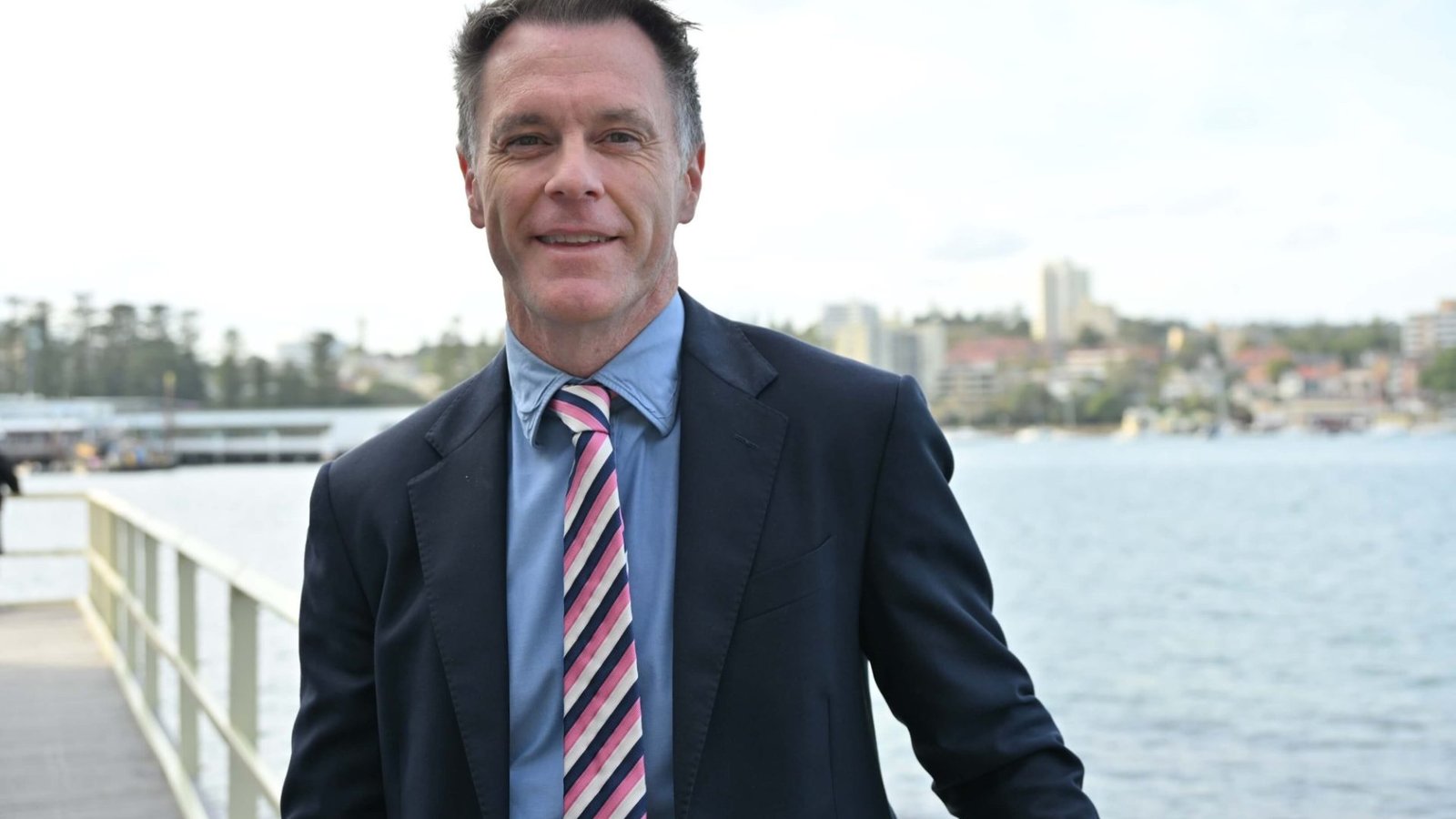
In the aftermath of the December 14 terror attack at Bondi Beach, New South Wales Premier Chris Minns stepped onto the sand not just as a leader, but as a fellow mourner. The ‘Light over Darkness’ vigil, held one week after the tragedy, became a focal point for thousands of Australians seeking comfort, answers, and accountability.
Standing before the crowd, Minns acknowledged the gravity of the moment. “Firstly, let me say my heart is heavy for the lives that were taken here, for those who have been injured, and for the families and loved ones whose worlds will never be the same again,” he said, his voice echoing a sentiment felt across the nation. The Premier’s remarks were not merely ceremonial—they were an admission of failure. “I want to say this clearly and sincerely, we are deeply sorry. I acknowledge that the government’s highest duty is to protect its citizens, and we did not do that one week ago.” (The Jerusalem Post).
Admission of Government Failure and Public Reaction
Minns’ apology was a rare moment of candor in Australian politics. He addressed the Jewish community directly, recognizing that the attack during a Hanukkah celebration had left a scar not only on those present but on the fabric of the country’s multicultural society. “You have returned to these sands just seven days after a shocking crime, and have said to the terrorists, we are going nowhere,” Minns declared, drawing cheers from the crowd—a stark contrast to the reception given to Prime Minister Anthony Albanese, who was booed by mourners both upon arrival and departure (Sky News Australia, AFR).
The vigil was marked by a powerful sense of unity and resilience. Attendees lit candles, observed a minute’s silence at 6:47 p.m.—the exact time the attack began—and listened as community leaders, survivors, and officials reflected on loss and hope. Security was tight, with police snipers positioned on rooftops and thorough screening at entry points, underscoring the lingering tension and concern for safety (ABC News).
Calls for Accountability and Community Defiance
Throughout the evening, calls for a Royal Commission into the attack reverberated among the speakers and the crowd. Many felt that previous warnings about community threats had been ignored, leaving them vulnerable. Survivor accounts and speeches from Jewish leaders highlighted not just the pain of the past week, but the determination to reclaim public spaces and live without fear.
Minns’ role at the vigil was more than symbolic. His willingness to face a grieving community, admit governmental shortcomings, and commit to change set a different tone from other officials. While some criticized his leadership and questioned the adequacy of police response, others saw his stance as a necessary step toward healing and reform. The Premier’s words, “We are going nowhere,” became a rallying cry—a message of steadfastness in the face of intimidation.
A National Day of Reflection: Grief, Unity, and the Path Forward
The Bondi memorial formed part of Australia’s National Day of Reflection, with vigils held across the country. Communities paused to honor the 15 lives lost, to support survivors, and to demand answers. The event was not only about remembrance; it was a declaration that violence would not dictate how Australians live or gather.
As the sun set over Bondi Beach, the crowd’s unity was palpable. The Jewish community’s return to the site of the attack, in such numbers, sent a clear signal that intimidation had failed. The Premier’s public apology and support were significant, but the broader message was one of resilience—a collective promise to face darkness with light.
The facts reveal a turning point in how Australian leaders confront tragedy and responsibility. Minns’ candid apology and the community’s unwavering response signal a demand for greater accountability and a refusal to allow fear to reshape public life. The coming months will test whether these words translate into meaningful change, but this moment at Bondi marks a new chapter in civic engagement and communal healing.