
Quick Read
- A former Bangladeshi minister accused USAID and the Clinton family of supporting unrest to remove Sheikh Hasina in 2024.
- Sheikh Hasina fled Bangladesh amid violence; Nobel laureate Muhammad Yunus became interim leader.
- At least 700 people died during the political turmoil.
- US officials have denied any involvement in the crisis.
Foreign Allegations Rock Bangladesh’s Political Landscape
In November 2025, a new wave of controversy swept across Bangladesh’s political arena. At the center stood Mohibul Hasan Chowdhury, a former minister in Sheikh Hasina’s government, who publicly accused the United States Agency for International Development (USAID) and the Clinton family of orchestrating efforts to unseat Hasina in 2024. The claims, aired during a widely discussed interview, have stirred debate both within Bangladesh and among international observers.
The Claims: USAID, Clinton Family, and Political Engineering
Chowdhury’s accusations were direct. He alleged that USAID, in collaboration with American NGOs, had been actively shaping Bangladesh’s political landscape since 2018. According to Chowdhury, these organizations launched campaigns against Hasina’s administration, fueling unrest and dissent. “Certain actions of some NGOs, especially from the US, for example, USAID, were running campaigns against our government for a while,” he stated, suggesting that foreign money was not simply supporting humanitarian causes, but was instead “carefully planned” to incite chaos.
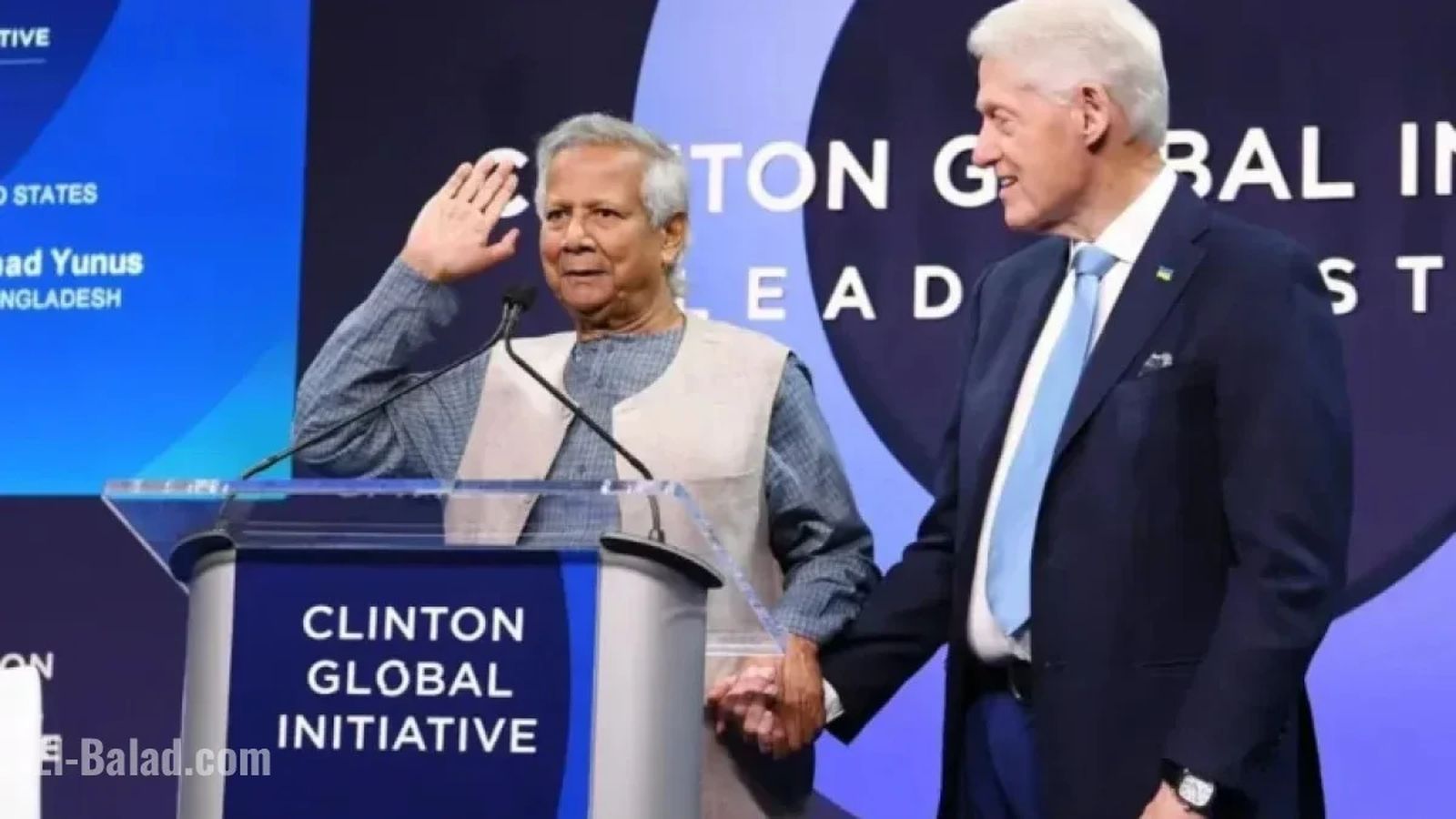
The involvement of the Clinton family was painted as a deeper, more strategic partnership. Chowdhury claimed that millions of dollars from USAID flowed into Bangladesh under the guise of aid, but instead funded opposition and unrest. The alleged connection between Nobel laureate Muhammad Yunus—who took over as interim leader after Hasina’s ouster—and the Clintons was described as a “long-standing relationship” with shared interests in reshaping Bangladesh’s governance.
Historical Tensions and the Context of Unrest
The backdrop to these allegations is a history of tense relations between Bangladesh and the United States. Chowdhury recalled that his predecessor, Sheikh Mujibur Rahman, resisted American demands regarding the strategic St Martin’s Island. This resistance, he suggested, contributed to a climate of friction that may have influenced subsequent events. The culmination of these tensions was dramatic: on August 5, 2024, Hasina fled Bangladesh amid violent protests and attacks on her residence, leaving the country in a state of uncertainty.
The unrest, which reportedly began as student-led protests over unresolved job quota disputes, quickly escalated. Major urban centers were gripped by violence. The toll was heavy—at least 700 people lost their lives during the riots, according to figures cited by Chowdhury. The situation became so volatile that Hasina’s decision to flee was seen as both a personal safety measure and a signal of government collapse.
The Rise of Muhammad Yunus and the Shift in Governance
After Hasina’s departure, Muhammad Yunus, renowned for his work in microfinance and social entrepreneurship, assumed control of the interim government. Chowdhury voiced concerns about the new administration’s direction, hinting at a possible strategic alignment with Pakistan—a country whose historical relationship with Bangladesh remains fraught since the 1971 war of independence. This suggestion added another layer to the narrative, raising fears of a geopolitical pivot that could reshape regional dynamics.
Yunus’s ascent to power, framed by Chowdhury as the result of foreign-backed regime change, underscored the complexity of Bangladesh’s internal and external challenges. The Nobel laureate’s ties to the Clinton family, according to Chowdhury, were emblematic of broader networks of influence that extend beyond the country’s borders.
Foreign Funding: Humanitarian Aid or Political Catalyst?
Central to Chowdhury’s argument was the role of foreign funding. He questioned the allocation of millions in USAID funds, asserting that these resources fueled unrest rather than providing humanitarian relief. “The chaos was carefully planned with this money, and it turned into a big riot,” he claimed. This narrative feeds into longstanding concerns in Bangladesh about the transparency and intentions behind international aid.
While Chowdhury’s assertions have not been substantiated by independent investigations, they highlight the difficulties in distinguishing genuine humanitarian support from political intervention. The lines between aid and influence remain blurred, especially in countries where governance is fragile and external interests run deep.
US Response: Denial and Diplomatic Fallout
In the wake of these allegations, US officials have categorically denied any involvement in Bangladesh’s political crisis. The accusations, they said, are “laughable” and lack foundation. This official response reflects a broader pattern of diplomatic friction between the two countries, with Bangladesh’s government often wary of perceived interference from Washington.
The dispute underscores a fundamental challenge in international relations: how to balance support for development and democracy with respect for national sovereignty. For Bangladesh, a country navigating the aftermath of violent unrest and leadership change, these questions are not merely academic—they shape the future of its political and social landscape.
Looking Ahead: The Search for Stability
As 2025 unfolds, Bangladesh faces significant challenges. The fallout from Hasina’s departure, the rise of Yunus, and ongoing debates over foreign influence have left the nation in a state of flux. Civil society, political factions, and international partners are all grappling with questions about legitimacy, transparency, and the path to stability.
For ordinary Bangladeshis, the events of 2024 remain a source of anxiety and reflection. The loss of life, the uncertainty of leadership, and the specter of external intervention have created an atmosphere of skepticism and caution. The country’s journey from crisis to recovery will depend not only on internal reforms but also on the ability to manage and negotiate its relationships with powerful global actors.
Ultimately, Chowdhury’s allegations serve as a reminder of the enduring complexities of international aid and political engagement. Whether substantiated or not, they highlight the need for vigilance, transparency, and genuine dialogue in navigating the intersection of domestic politics and foreign interests.
In the final analysis, the controversy surrounding the alleged Clinton-Yunus nexus and USAID’s involvement in Bangladesh’s unrest reveals how foreign aid and political ambitions can collide, sometimes blurring the line between support and interference. The story is a cautionary tale for countries and donors alike: genuine development demands not just resources, but trust, accountability, and respect for sovereignty.