
Quick Read
- Clocks across Europe will go back one hour this Sunday at 03:00.
- Daylight saving time ends, shifting schedules until late March.
- The practice was formalized as European law in 1981.
- The original goal was to save energy and improve productivity.
Why Do Clocks Change in October?
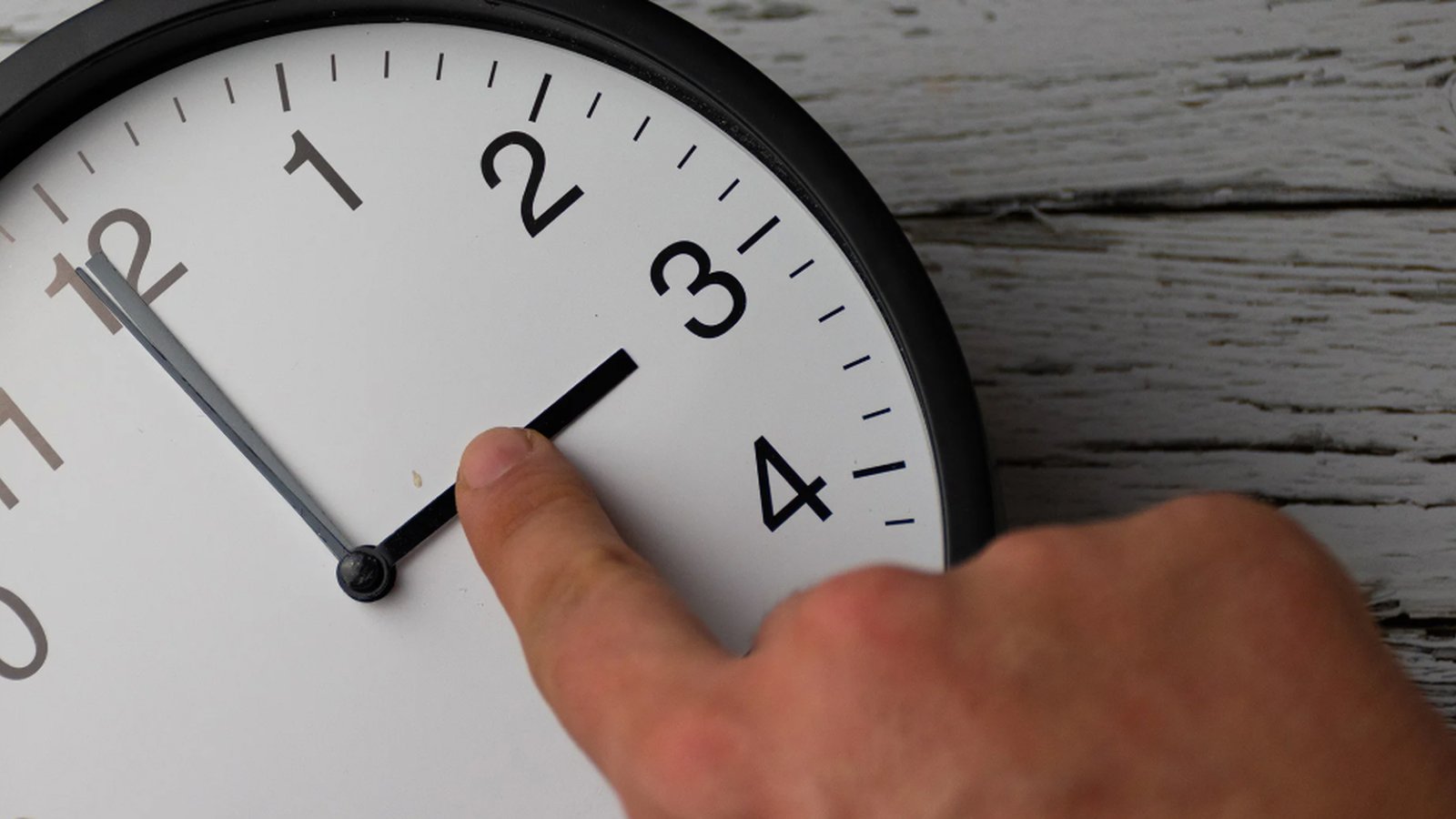
Every year, as autumn settles in, millions across Europe prepare for a familiar ritual: the end of daylight saving time. On the final weekend of October, just as Saturday turns into Sunday, the clocks tick back one hour. It’s a moment that feels both routine and significant—a subtle shift with ripple effects in daily life. At 03:00 on Sunday morning, time is officially rewound, gifting everyone an extra hour of sleep. But why do we do this? And how did this tradition start?
The practice of adjusting clocks traces its roots back to the energy crises of the 1970s. Western European nations, seeking ways to optimize energy use and productivity, began shifting clocks to make better use of daylight. By extending evening light, they hoped to reduce electricity consumption and maximize working hours. In 1981, this approach became law across the European continent, standardizing the process and ensuring that each country would change clocks on the same date.
The Impact on Daily Life
For many, the immediate effect is simple: one extra hour of rest. The transition, however, has broader implications. Schools, businesses, and public transportation all adjust their schedules to accommodate the new time. Parents recalibrate bedtime routines, and commuters might wake up to a brighter morning. The shift is designed to “lengthen” the day, in theory making people more productive and efficient.
Yet, not everyone welcomes the change. Sleep specialists often point out that even a one-hour adjustment can disrupt circadian rhythms, leading to grogginess or insomnia for some. For night-shift workers and early risers, the time change can mean a harder adjustment period. On the other hand, many enjoy the chance to rest longer and appreciate the brighter mornings that follow.
Europe’s Ongoing Debate
The clock change isn’t without controversy. In recent years, the European Union has considered scrapping the practice altogether, citing mixed evidence on its benefits. Critics argue that the time shift no longer serves its original purpose, and modern energy systems make daylight saving less relevant. Others contend that the tradition is deeply embedded in European culture and offers tangible benefits for work-life balance.
Despite the debate, the clock change remains a fixture—at least for now. Each October, as the leaves fall and the air grows crisp, the continent collectively resets its schedule, marking a shared experience that bridges countries and cultures.
Looking Ahead: What Happens Next?
After clocks fall back this weekend, the new schedule will remain in place until the last weekend of March, when daylight saving time resumes. That transition will bring its own set of adjustments, as days grow longer and routines shift once again.
For now, Europeans can enjoy a brief reprieve—a chance to catch up on sleep, linger over morning coffee, and ease into the season’s slower rhythm. Whether the tradition continues for decades to come or fades into history remains to be seen. What’s clear is that, for one night each year, time itself bends to collective will, reminding us of the rhythms that shape our lives.
As clocks change, it’s worth reflecting on the ways small adjustments can ripple through society, altering not just our schedules, but the very feel of the days ahead.
The annual clock change is more than a simple adjustment—it’s a reflection of Europe’s ongoing effort to balance tradition, energy efficiency, and daily well-being. As debates continue, the story of time itself remains intertwined with the rhythms of modern life.