
Quick Read
- Colin Hanks directed ‘John Candy: I Like Me,’ exploring the comedian’s private struggles.
- Ryan Reynolds played a crucial role in producing the documentary.
- Candy’s life revealed societal changes in addressing mental health and obesity.
- Hanks continues to develop documentaries while exploring acting roles.
Colin Hanks has long been recognized as an accomplished actor, but his recent venture into directing has revealed another facet of his creative talent. His documentary, ‘John Candy: I Like Me,’ sheds light on the life of one of Hollywood’s most beloved comedians, John Candy. Produced with the passionate support of Ryan Reynolds, the film goes beyond Candy’s public persona to explore the private struggles he faced, including childhood trauma, anxiety, and self-esteem issues.
John Candy’s Hidden Struggles
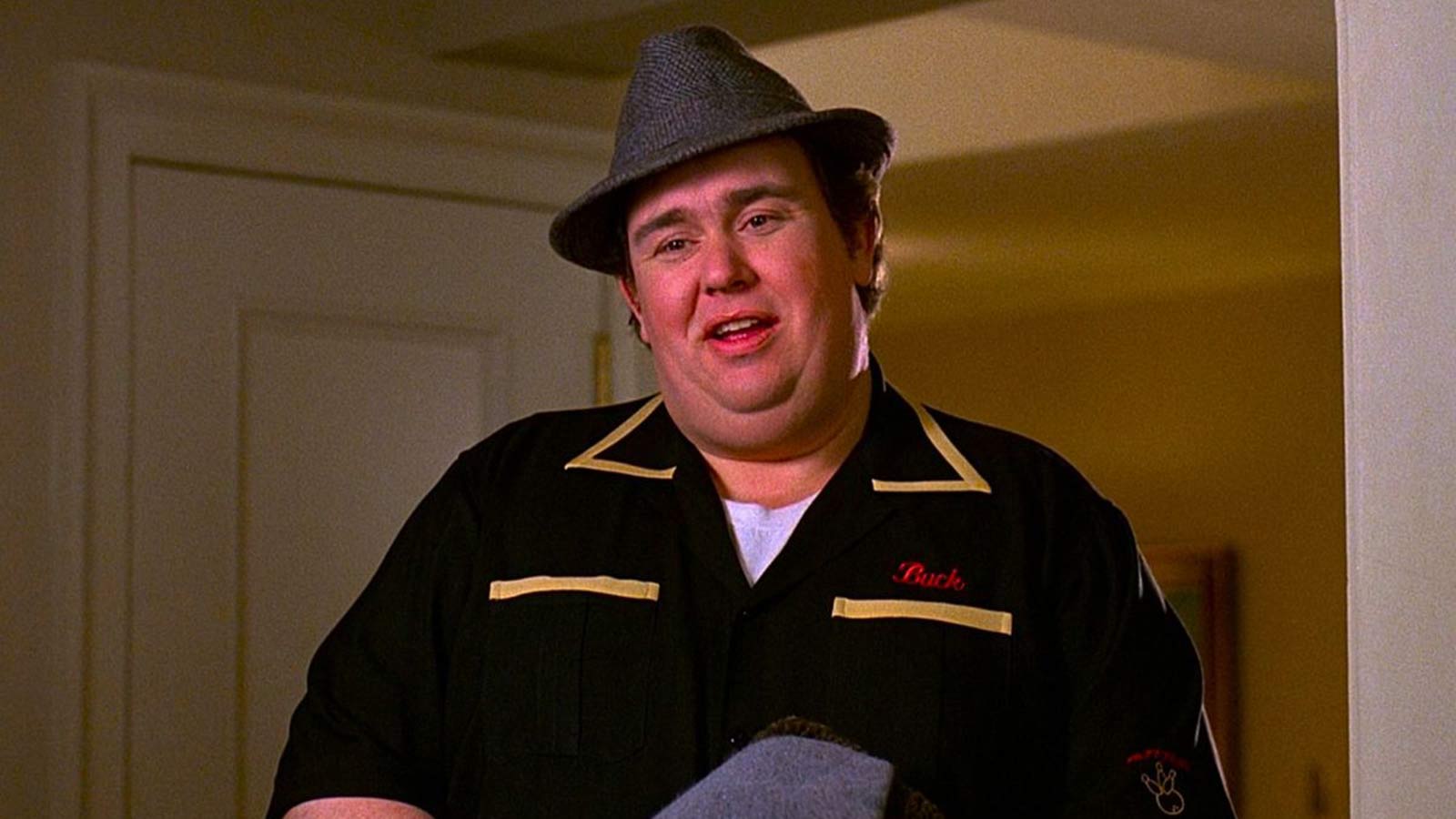
John Candy, widely known for his roles in iconic films such as ‘Uncle Buck’ and ‘Planes, Trains, and Automobiles,’ was a master of comedy who brought joy to millions. However, as Colin Hanks discovered during his research, Candy’s outward charm often masked deep-seated personal challenges. Candy’s father passed away when he was just five years old, a traumatic event that profoundly shaped his life. Growing up in a household led by his mother and aunt, Candy developed coping mechanisms that would later become integral to his comedic style.
Hanks points out how Candy’s innate sweetness and sincerity were products of these coping strategies. Yet, as Candy faced increasing fame and public scrutiny, these mechanisms began to falter, leading him to seek therapy. In a time when mental health discussions were rare, Candy’s decision to address his struggles was both courageous and groundbreaking.
Ryan Reynolds’ Role in Bringing the Documentary to Life
The documentary owes much of its existence to Ryan Reynolds, whose admiration for John Candy served as a catalyst for the project. Reynolds, a Canadian actor himself, felt a personal connection to Candy’s legacy and was determined to see his story told. His passion not only inspired Hanks to take on the challenge but also helped secure interviews with prominent figures such as Bill Murray and Dan Aykroyd.
Reynolds’ involvement extended beyond logistical support; he brought an emotional depth to the production, ensuring that Candy’s humanity was at the forefront. Hanks credits Reynolds for his unwavering dedication and ability to rally others in support of the film.
The Societal Shift in Addressing Personal Struggles
One of the documentary’s poignant revelations is the societal change in how personal struggles are addressed. During Candy’s career in the 1970s and 1980s, issues like anxiety and obesity were often met with insensitivity, both in media interviews and public discourse. Hanks highlights how these moments of discomfort are captured in the film, revealing Candy’s resilience in handling such challenges with grace.
Today, there is greater awareness and empathy regarding mental health and personal struggles, making Candy’s story all the more relevant. His ability to maintain his kindness and humor, despite these difficulties, serves as an inspiration.
The Complexity of Playing Bad Guy Roles
In addition to directing, Colin Hanks continues to explore diverse acting roles, including portraying villains. He describes these roles as liberating, offering a chance to delve into complex characters and their motivations. Hanks reflects on his portrayal of a corrupt sheriff in ‘Nobody 2’ and his nuanced role in ‘Nuremberg,’ emphasizing the importance of understanding the internal logic of these characters.
Interestingly, Hanks draws parallels between his own acting journey and Candy’s unrealized potential to branch into dramatic roles. Candy’s performances in films like ‘JFK’ hinted at his ability to take on more serious characters, a direction that fans feel was tragically cut short.
What’s Next for Colin Hanks?
Following the success of ‘John Candy: I Like Me,’ Hanks is already looking ahead to new projects. While he continues to develop documentaries, he is also exploring scripted narratives. Balancing his roles as a director and actor, Hanks remains committed to telling stories that resonate on both emotional and intellectual levels.
‘John Candy: I Like Me’ stands as a testament to Hanks’ ability to capture the essence of a person’s life while addressing broader societal themes. By peeling back the layers of Candy’s public persona, the film invites viewers to appreciate the complexities of his character and the legacy he left behind.
Colin Hanks’ documentary not only celebrates John Candy’s comedic genius but also serves as a poignant reminder of the importance of empathy and understanding in exploring the lives of public figures. It is a film that resonates deeply, inspiring audiences to reflect on the humanity behind the humor.