
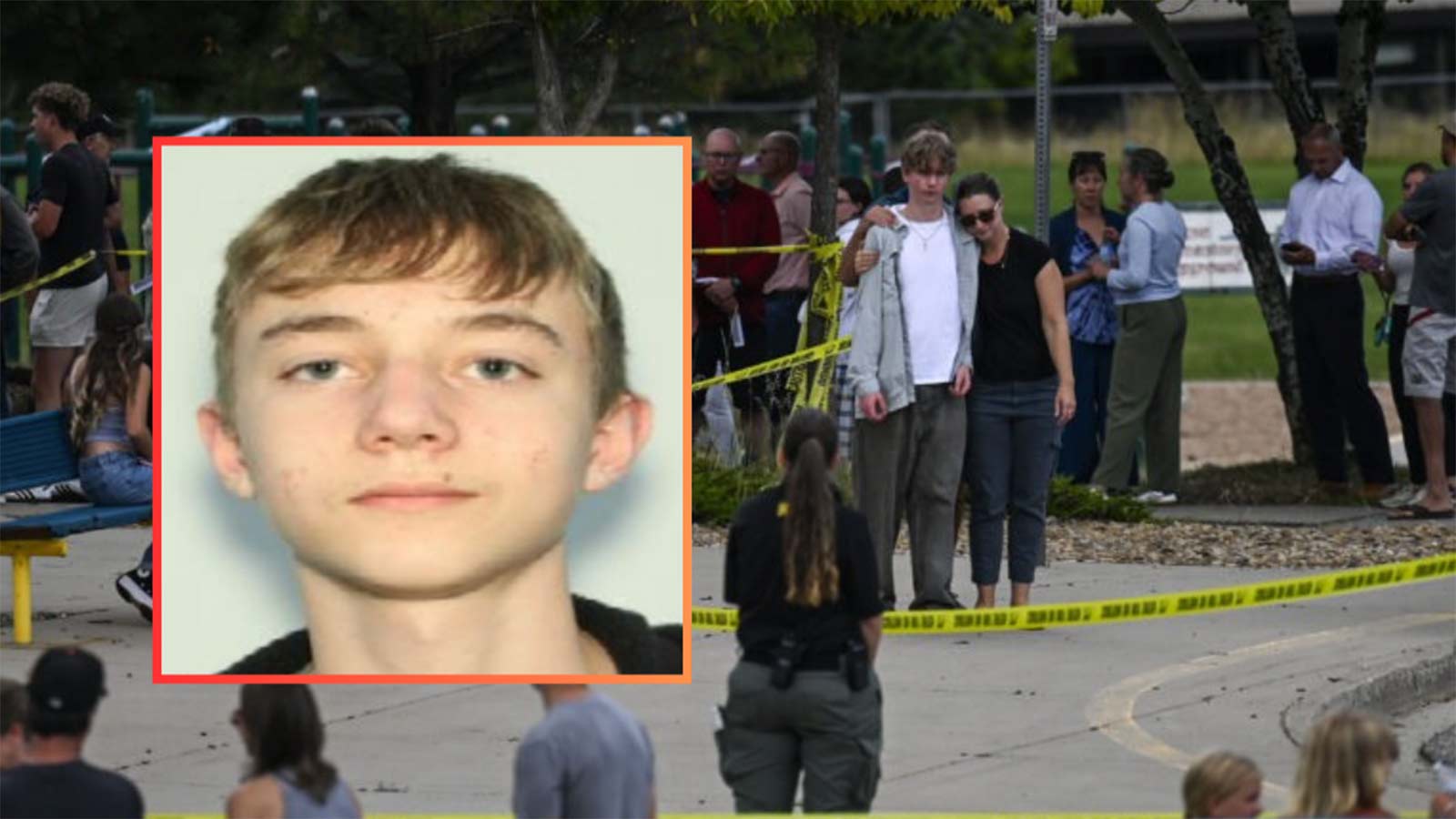
Quick Read
- 17-year-old Desmond Holly was identified as the Colorado high school shooter.
- Authorities believe Holly was radicalized by extremist online networks.
- The community is grappling with grief and confusion over the tragedy.
- Experts warn of increasing online recruitment efforts targeting youth.
- Calls for digital literacy and stricter platform regulations are growing.
The tragic shooting at a Colorado high school has reignited urgent national conversations about the growing threat of youth radicalization in the United States. Authorities have identified the shooter, 17-year-old Desmond Holly, as someone who had been actively influenced by extremist online networks. This revelation has sent shockwaves through the local community and raised critical questions about how such influences can take root in young individuals.
The Path to Radicalization
According to investigators, Desmond Holly began engaging with extremist content online over two years ago. What started as casual browsing eventually spiraled into active participation in forums and chat groups promoting hate-filled ideologies. These platforms, often disguised as benign discussion boards, are designed to lure vulnerable individuals, particularly impressionable youths, into their fold. In Holly’s case, officials believe these interactions played a significant role in shaping his worldview and ultimately led to his violent actions.
“We are dealing with a new kind of threat,” said FBI Special Agent Laura Daniels during a press briefing. “The internet has become a breeding ground for radical ideologies, and young people are particularly at risk. Holly’s case underscores the urgent need for more robust interventions.”
Community in Shock
The shooting has left the community of Boulder, Colorado, grappling with grief and confusion. Desmond Holly was a well-known figure at his high school, described by peers as “quiet but intelligent.” The stark contrast between his public persona and the actions he carried out has left many struggling to reconcile the two.
“It’s like we never really knew him,” said one of Holly’s classmates, who wished to remain anonymous. “He was always so reserved, but now we’re learning about this whole other side of him.”
The school’s principal, Dr. Rebecca Hayes, emphasized the need for healing and unity. “This is a time for us to come together as a community. We must support one another and ensure that our students feel safe and heard,” she said.
A Broader National Issue
While the focus remains on the immediate tragedy, experts warn that Desmond Holly’s case is far from isolated. A recent study by the Anti-Defamation League revealed a significant increase in online recruitment efforts by extremist groups targeting young people. These groups exploit social media algorithms, gaming platforms, and encrypted messaging apps to disseminate their propaganda and recruit followers.
“We are seeing a disturbing trend where young people are being radicalized without ever leaving their bedrooms,” said Dr. Michael Carter, a sociologist specializing in extremism. “The anonymity and accessibility of the internet make it easier than ever for these groups to operate.”
What Can Be Done?
The tragedy has prompted renewed calls for action at multiple levels. Schools, parents, and policymakers are being urged to take a more proactive role in combating online radicalization. Experts recommend a multi-faceted approach that includes digital literacy education, early intervention programs, and stricter regulation of online platforms.
“We need to teach our kids how to critically evaluate the information they encounter online,” said Dr. Carter. “But we also need tech companies to step up and take responsibility for the content they allow on their platforms.”
For its part, the federal government has announced plans to allocate additional resources to counter-terrorism efforts focused on domestic extremism. However, critics argue that these measures often come too late to prevent tragedies like the one in Colorado.
As the community mourns the loss of innocent lives, the case of Desmond Holly serves as a grim reminder of the dangers posed by unchecked online extremism. It is a wake-up call for society to address the root causes of radicalization and protect its most vulnerable members.
The story of Desmond Holly is not just a local tragedy but a national warning. It highlights the urgent need for collective action to combat the insidious spread of extremist ideologies in the digital age.