
Quick Read
- James Comey pleaded not guilty to charges of lying to Congress and obstruction.
- Charges were dismissed after the judge found the prosecution was politically motivated and the prosecutor’s appointment invalid.
- The case highlighted concerns about the weaponization of the Justice Department under President Trump.
- Comey’s family, including his daughter who was fired as a prosecutor, attended the arraignment.
- Judge Nachmanoff emphasized a prompt and fair process, dismissing the case before trial.
Comey’s Day in Court: Not Guilty, but Not Over
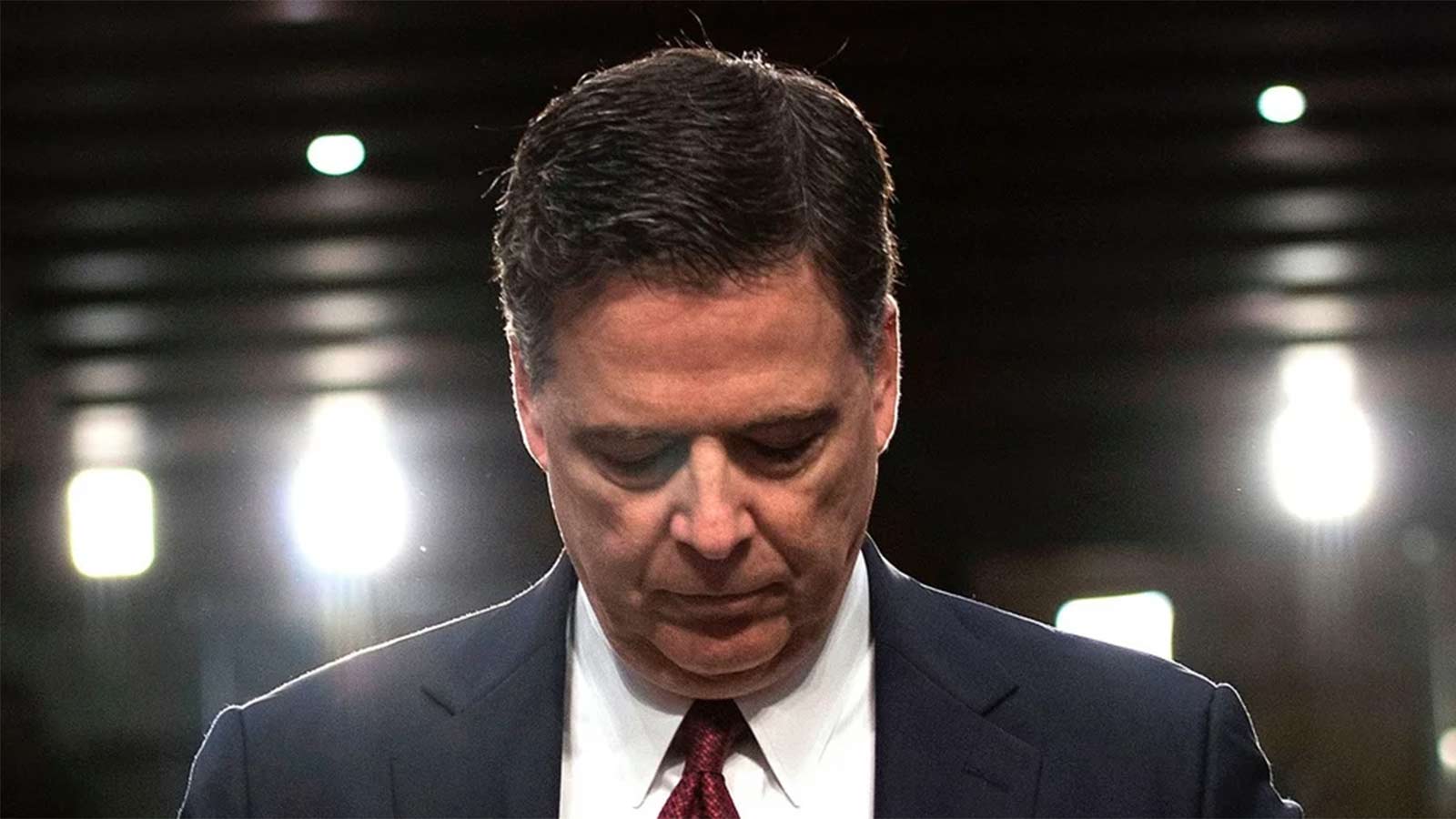
On a gray morning in Alexandria, Virginia, the air inside the federal courthouse was heavy with anticipation. James Comey, the former FBI director whose name has become shorthand for Washington intrigue, stood before Judge Michael Nachmanoff and entered his plea: not guilty. What might have been a routine arraignment instead felt like a crossroads for the American justice system—a moment when questions about law, politics, and presidential power hung in the balance.
The charges against Comey were no mere technicalities. Prosecutors alleged that he lied to Congress in 2020 about authorizing an FBI associate to leak information to the press related to the investigations of Donald Trump and Hillary Clinton. The indictment, which included counts of false statements and obstruction of a congressional proceeding, was sparse on details. It did not name the associate or clarify what information had been leaked, leaving many to wonder if the evidence could withstand scrutiny in court.
Political Winds Behind the Prosecution
From the start, the case seemed steeped in politics. The prosecutor who signed the indictment, Lindsey Halligan, had never before prosecuted a federal case and had only recently been installed as U.S. Attorney for the Eastern District of Virginia—a move orchestrated by President Trump after the previous attorney, Erik Siebert, resigned, reportedly refusing to bring charges against Comey due to lack of evidence. Halligan’s appointment raised eyebrows not only for her lack of experience but also for her close ties to Trump, having previously served as his personal lawyer and later as a White House aide.
In the courtroom, Comey’s defense lawyer Patrick Fitzgerald didn’t mince words. He signaled his intent to challenge the prosecution on two fronts: that the charges amounted to a vindictive, politically motivated attack, and that Halligan’s appointment itself was legally flawed. These motions, he argued, should result in a dismissal before any trial could begin.
The judge, Michael Nachmanoff—a Biden appointee known for his methodical approach—set a trial date for January 5. But the drama was far from over. The prosecution, led by a team parachuted in from North Carolina rather than the elite Virginia office Halligan now led, seemed ill-prepared for the courthouse’s “rocket docket,” which fast-tracks cases. They argued for more time to handle discovery, especially with possible classified materials, but the judge appeared unconvinced by their claims of complexity. As Joyce Vance noted, a false statements case is usually straightforward: prosecutors must show the statement was made, that it was false, and that it mattered to the proceeding.
Charges Dismissed: Legal and Political Aftershocks
Ultimately, the defense motions proved decisive. Judge Nachmanoff ruled that Halligan’s appointment did not satisfy federal vacancy laws, rendering the indictment invalid. The court also found that the prosecution’s timing and circumstances—brought forward only after Trump’s public urging and in apparent disregard of earlier refusals by career prosecutors—created a strong appearance of vindictive prosecution. The charges against Comey were dismissed before trial, a dramatic development that sent ripples through Washington.
The outcome left many with lingering questions. Was this the result of a careful legal review, or a symptom of deeper dysfunction in the Justice Department? The prosecution’s arguments faltered under scrutiny, particularly as evidence surfaced that Columbia Law Professor Daniel Richman, believed to be the unnamed associate, had told investigators Comey instructed him not to engage with the media. Richman’s account undercut the heart of the indictment.
In the packed courtroom, Comey’s family looked on—his daughter Maurene, herself a former federal prosecutor who had been fired from her position in Manhattan, and his wife, Patrice Failor. Their presence was a reminder of the personal costs endured by those who stand at the center of political storms. Comey himself, speaking only briefly, maintained his innocence and expressed confidence in the rule of law.
Trump, Comey, and the Weaponization of Justice
The case was more than a legal dispute; it was the latest chapter in the fraught relationship between Trump and Comey. Trump’s public campaign against Comey—calling him “one of the worst human beings this country has ever been exposed to”—was echoed in efforts to purge officials deemed disloyal and to target perceived enemies across government and civil society. The charges against Comey followed a pattern: Trump’s direct appeals to Attorney General Pam Bondi to indict his adversaries, and the subsequent replacement of reluctant prosecutors with loyalists willing to bring cases forward.
For observers, the events surrounding Comey’s indictment and dismissal highlighted the risk of politicizing the Department of Justice. The rapid turnover of officials, the unusual appointment of Halligan, and the direct involvement of the president in urging prosecution all raised alarm bells. As Reuters and Dawn reported, the perception that justice was being weaponized for political gain threatened public trust in the system.
What Comes Next?
With the charges dismissed, Comey’s legal ordeal is over, but the broader debate about the integrity of the Justice Department and the influence of presidential power remains. Other Trump critics, such as New York Attorney General Letitia James and California Senator Adam Schiff, continue to face investigations many regard as politically motivated.
The Comey case may prove to be a landmark—not for the facts at issue, but for what it reveals about the tensions between law and politics in contemporary America. The speed with which the judge dismissed the charges, and the clarity of his ruling, sent a strong message: the courts will not serve as a tool for political payback, at least not without rigorous legal justification.
Assessment: The dismissal of charges against James Comey underscores the vital importance of an independent judiciary and transparent prosecutorial process. In a period where political pressures threaten the integrity of legal institutions, this case stands as a cautionary tale against the weaponization of justice. It is a reminder that, ultimately, the rule of law must prevail over partisan interests if public trust is to be maintained.