
Quick Read
- Connor McDavid re-signed with the Edmonton Oilers for two years at $12.5M AAV, well below market max.
- The NHL launched ‘The Next Golden Era Is Now’ campaign to engage new fans through modern cultural trends.
- McDavid’s contract offers the Oilers more cap flexibility in a rising salary cap era.
- The new NHL marketing campaign features stars in playful, pop-culture-inspired spots debuting on season’s opening night.
Connor McDavid’s Discount: A Bold Move in a Rising Market
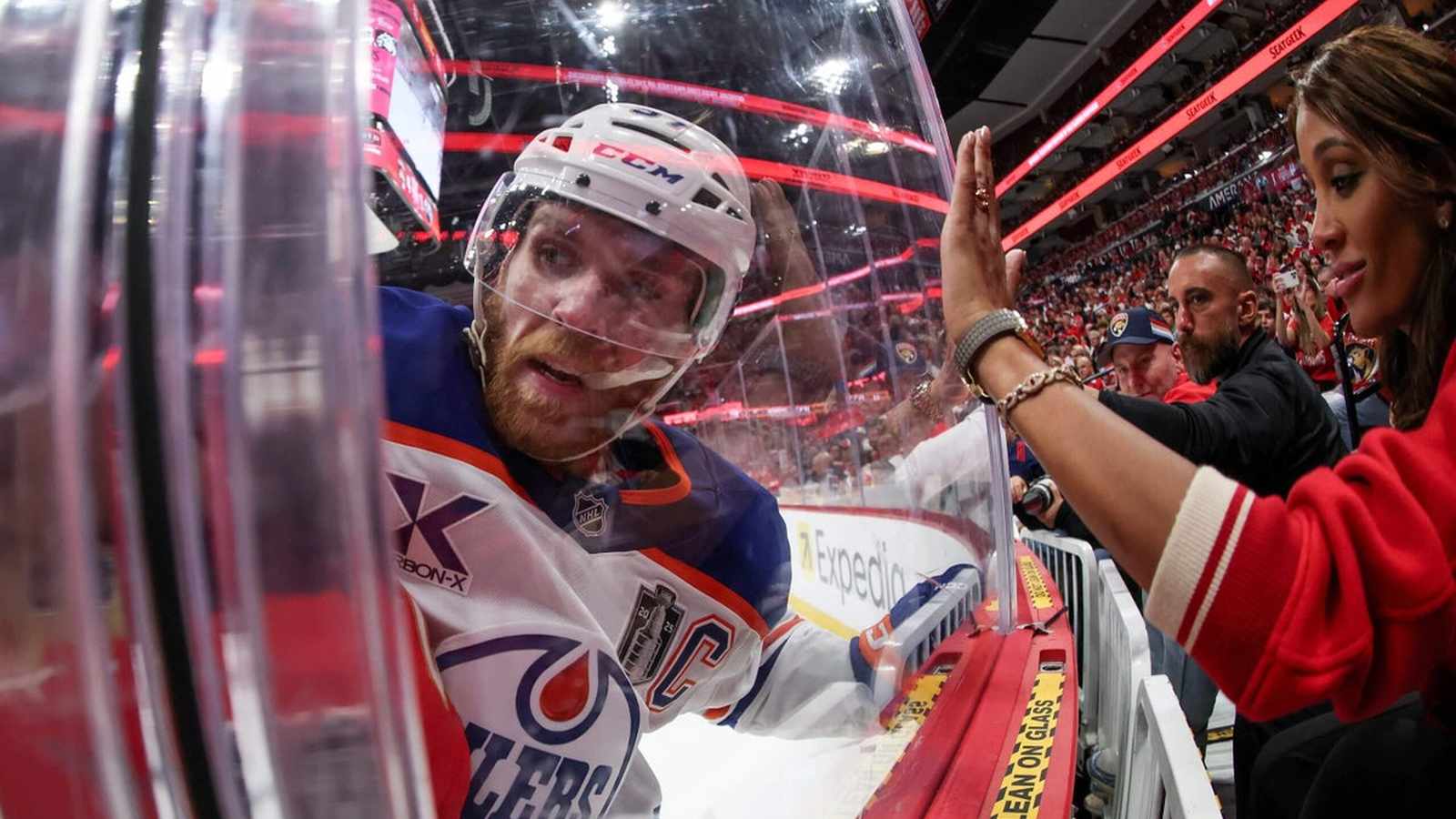
On the eve of the 2025-26 NHL season, Edmonton Oilers captain Connor McDavid made a decision that sent ripples throughout the hockey world. After months of speculation and mounting anticipation, McDavid chose to re-sign with the only NHL team he’s ever known—not for a record-shattering sum, but for a two-year extension with a $12.5 million average annual value. In a market where star players are cashing in on the league’s rising salary cap, McDavid’s contract stands out not for its size, but for its restraint.
To put this in perspective, Kirill Kaprizov recently inked a deal with the Minnesota Wild that carries a $17 million AAV, setting a new high-water mark for elite NHL talent. McDavid, widely considered the best player in the world, could have demanded even more. According to The Athletic, if he had waited until the summer of 2026, he could have pushed for a salary north of $20 million per year—nearly 20 percent of the projected cap ceiling. Instead, he chose stability and flexibility for his team.
Why? The answer reveals as much about McDavid’s character as his ambitions. Throughout the negotiation process, McDavid repeatedly affirmed his loyalty and desire to win in Edmonton. “I have every intention to win in Edmonton,” he said, echoing the sentiments of players who came before him—like Sidney Crosby and Evgeni Malkin, whose willingness to sacrifice for the team’s greater good led to a dynasty in Pittsburgh. In an era when athletes are increasingly scrutinized for their contract decisions, McDavid’s approach is both a throwback and a statement.
Setting the Stage for Edmonton—and the NHL
For the Oilers, McDavid’s selflessness provides a rare gift: cap flexibility. With the league’s cap projected to hit $104 million next year, McDavid’s contract will account for roughly 12 percent—a figure that gives the front office more room to build a Stanley Cup contender. This isn’t just about numbers; it’s about trust. McDavid’s willingness to take less signals his belief in the organization’s direction, while also raising the stakes for general manager Stan Bowman. The message is clear: the window to win is now.
But there’s another side to this deal. By signing a short-term extension, McDavid retains agency over his future. If the Oilers falter or the team’s long-term outlook dims, he’s left himself an exit strategy. As The Athletic notes, Edmonton now has “two more guaranteed cracks at the Stanley Cup” with their generational talent. If things don’t go as planned, the summer of 2027 could force a reckoning—potentially even a blockbuster trade. And if McDavid hits free agency in 2028, he’ll still be just 31, with the opportunity to reclaim any financial ground he sacrificed today.
NHL’s “Next Golden Era”: Connecting Hockey with Today’s World
As the new season dawns, the league is also making moves off the ice. The NHL has rolled out a fresh marketing campaign, The Next Golden Era Is Now, designed to bridge the gap between hockey and modern culture. Developed with agency partner Highdive, the campaign puts top players in scenarios drawn straight from contemporary life: from the work-from-home boom to debates over artificial intelligence, reality TV, and viral TikTok trends.
The campaign’s first spot, “Work From Home,” features stars like Connor Bedard, Sidney Crosby, Jack Eichel, and Mitch Marner in an office setting, poking fun at the notion that remote work is less productive. It’s a lighthearted reminder that these athletes do their best work on “home” ice—a clever nod to both hockey’s traditions and its evolving audience.
Other spots will tackle questions like “AI Can’t NHL”—riffing on the fear that technology might replace the human element in sports—and offer a playful, behind-the-scenes look at a day in the life of NHL players. According to Casey Hall, the NHL’s Senior Vice President of Marketing, the goal is to “meet our audience in the spaces they are already in,” whether that’s scrolling TikTok or binge-watching reality TV.
This strategy is about more than just laughs. It’s a calculated effort to make hockey accessible and relatable to a broader, younger demographic. As Pat Seidel, Group Creative Director at Highdive, put it: “This campaign takes the cultural moments people are already talking about and gives them a hockey twist, positioning NHL players as part of the broader entertainment landscape.” The hope is to deepen affinity among diehard fans while pulling in new ones who might not have grown up with the game.
A Season of Change—and Opportunity
The NHL’s embrace of cultural trends comes at a pivotal moment. On the ice, teams are contending with the realities of a rising cap and the need to balance star contracts with roster depth. Off the ice, the league is battling for attention in an increasingly crowded entertainment world. The season’s opening tripleheader—broadcast on ESPN in the U.S. and Sportsnet in Canada—features marquee matchups and the debut of the new campaign. It’s a statement of intent: hockey is ready to evolve, both in how it’s played and how it’s perceived.
For the Oilers and McDavid, the stakes couldn’t be higher. After two straight Stanley Cup Final losses to the Florida Panthers, Edmonton is desperate to get over the hump. McDavid’s contract is both a gift and a challenge: he’s done his part to give the team every chance at success, but the pressure is now squarely on management to deliver. As one veteran agent told The Athletic, “He wants to win at all costs, and he wants to make sure that if they don’t win, he does not want to feel guilty because he took extra money.”
Across the league, McDavid’s decision may not reset the market for elite players—agents and front offices alike see this as a unique, one-off situation—but it does add a new layer to negotiations. Will other stars be willing to follow his example, or will the lure of ever-increasing salaries prove too strong? Only time will tell.
McDavid’s calculated risk—prioritizing team success over personal gain—coincides with an NHL determined to modernize its image and broaden its reach. As both player and league bet on a new era, the coming season may well be remembered not just for its games, but for the boldness of its choices. Whether these gambles pay off will shape hockey’s future for years to come.